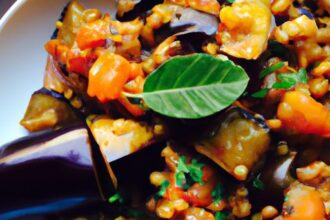
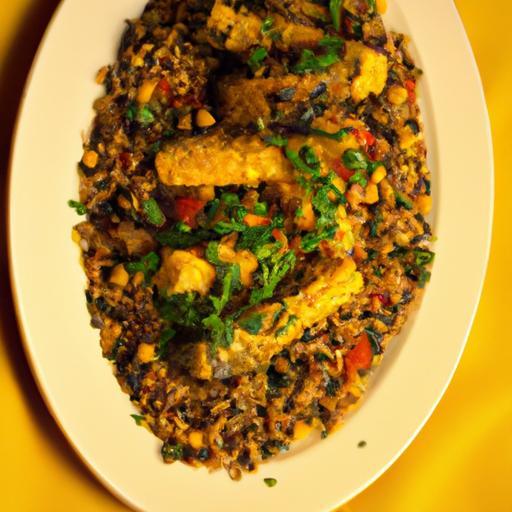
Hidden within the rich soils and sun-drenched fields of Africa lies a humble grain that has sustained communities for centuries: millet. Often overshadowed by its more famous cousins like rice and wheat, millet is a powerhouse of nutrition and versatility, weaving its way through the continent’s diverse culinary landscapes. From hearty porridges to savory stews, millet dishes are bursting with flavor, history, and cultural significance. In this article, we embark on a flavorful journey to uncover the magic of millet-celebrating its role in Africa’s kitchens and exploring the delicious traditions that keep this ancient grain thriving today.
Millet Magic has woven its way through African kitchens for centuries, standing as a testament to resilience, tradition, and wholesome nutrition. This ancient grain, frequently enough overlooked in global culinary conversations, is a powerhouse of flavor and culture. As a staple that nourishes millions, millet offers a unique texture and subtle nutty aroma that has inspired countless customary dishes from the Sahelian savannahs to the lush forests of East Africa. Whether it’s a hearty porridge warming cold mornings or a savory accompaniment to spicy stews, millet’s versatility sparks creativity and comfort alike.
Prep and Cook time
- Preparation: 10 minutes
- Cooking: 20 minutes
- Total Time: 30 minutes
Yield
Serves 4 generous portions
difficulty Level
Easy – Perfect for beginners and seasoned cooks alike
Ingredients
- 1 cup whole millet grains, rinsed thoroughly
- 2 ½ cups water or vegetable broth for added flavor
- ½ teaspoon salt
- 1 tablespoon olive oil or traditional palm oil for authenticity
- ½ teaspoon ground cumin (optional, for warmth and depth)
- Fresh herbs such as chopped cilantro or parsley, for garnish
- Lemon wedges, to serve
Instructions
- Rinse the millet: Place millet in a fine mesh sieve and rinse under cold water until the water runs clear. This removes excess starch and prevents clumping.
- Toast the grains: Heat olive oil in a medium saucepan over medium heat. Add the millet and stir continuously for 3 to 4 minutes until the grains turn golden and release a mild nutty aroma. This step unlocks a richer flavor profile.
- Add water and seasoning: Pour in water or broth and add salt and cumin if using. Stir to combine. bring to a boil over high heat.
- Simmer gently: Once boiling, reduce the heat to low and cover the saucepan with a tight-fitting lid.Cook for 15 to 20 minutes, or until millet is tender and liquid is fully absorbed.Avoid lifting the lid too often to retain steam.
- Fluff and rest: Remove from heat and let the millet sit, covered, for 5 minutes. Use a fork to fluff the grains, separating them for a light, airy texture.
- Garnish and serve: Transfer to a serving bowl, sprinkle with fresh herbs, and offer lemon wedges to brighten the dish just before eating.
Chef’s notes
- For Creamy Porridge: Use a 1:3 millet-to-liquid ratio and cook longer, stirring frequently until creamy and soft-a comforting breakfast option.
- Liquid Alternatives: Coconut milk or chicken broth can replace water to impart unique flavors.
- Spice it up: Experiment with warming spices like smoked paprika or a pinch of chili flakes for a savory twist.
- Meal Prep: Cooked millet keeps well refrigerated for up to 4 days and reheats beautifully. Perfect for quick weekday meals.
- Substitutions: If whole millet grains are unavailable, pearl millet or millet flour can be used in specific recipes-adjust cooking times accordingly.
Savoring traditional Millet Dishes Across Africa’s Diverse Regions
From the dense flatbreads of west Africa to the fluffy ethiopian “genfo,” millet appears in countless interpretations. Embrace its adaptability by pairing this basic preparation with hearty groundnut stews from Senegal or spicy vegetable sauces popular in Uganda. The grain’s mildness allows it to absorb and amplify rich, robust flavors, anchoring meals in history and culture.
Savoring Millet Magic in Your Kitchen
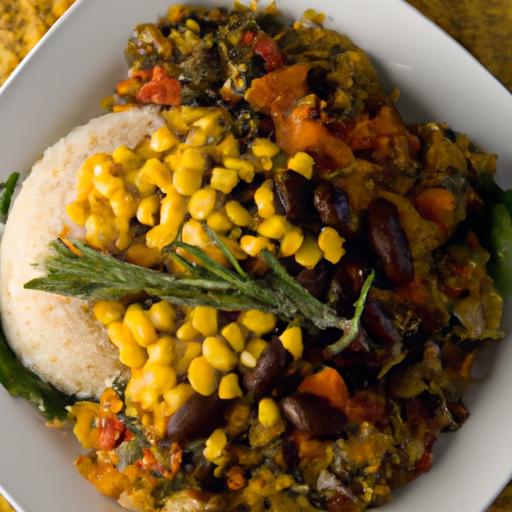
Present your millet with vibrant garnishes like toasted nuts or sautéed greens to portray a colorful plate. Pair it alongside grilled meats or legumes, creating a balanced, nutrient-packed feast. The subtle grain’s golden grains scatter like tiny gems on the plate,inviting the first bite.
| Nutrient | Amount per Serving |
|---|---|
| Calories | 207 kcal |
| Protein | 6g |
| Carbohydrates | 41g |
| Fat | 1.7g |
discover more about millet’s versatility and its relationship with African cuisines by visiting our African Grain recipes collection.For a scientific deep dive into millet’s nutritional benefits, check out this NCBI study.

Q&A
Q&A: Millet Magic – Exploring Africa’s Flavorful Grain Dishes
Q1: What makes millet such a magical grain in African cuisine?
A: Millet is frequently enough called a “hidden gem” of African grains.It’s ancient, hardy, and incredibly versatile-able to thrive in arid climates where other crops struggle. Beyond its resilience, millet boasts a subtly nutty flavor and a delightful texture that invites culinary creativity. From porridge to pilafs, it carries the soul of African kitchens in every grain.Q2: how is millet traditionally used across different African regions?
A: Millet’s culinary journey across Africa is as rich as the continent itself. In West Africa, it’s frequently enough ground into flour for thick, hearty porridges like Nigerian “pap.” the Sahelian regions shape it into fermented breads and couscous, while East African communities incorporate it into savory stews or as an accompaniment to spiced meats. Each preparation sings a unique regional story.Q3: What nutritional benefits does millet offer?
A: Millet is a nutritional powerhouse-rich in fiber,magnesium,and essential amino acids. It’s gluten-free,making it an excellent alternative for those with sensitivities. As a complex carbohydrate, millet provides steady energy, and its mineral content supports heart health, digestion, and even bone strength. Truly, it fuels both body and tradition.
Q4: Can millet be incorporated into modern recipes without losing its authentic charm?
A: Absolutely! Millet’s mild flavor and adaptable texture make it a star in fusion kitchens. Think millet risottos with African spices, millet salads bursting with tropical fruits and herbs, or even millet-based baked goods that add a wholesome twist. The magic lies in honoring its roots while letting creativity dance freely.
Q5: Why is there a growing interest in millet among global food enthusiasts?
A: Global food lovers are waking up to millet’s unique charm-its earthy taste, cultural richness, and sustainability credentials. As climate change challenges conventional farming, millet’s drought resilience offers a tasty solution. Plus, its role in African heritage dishes invites people worldwide to savor flavors steeped in history and community.
Q6: How can someone start experimenting with millet at home?
A: Start simple! Swap millet for rice or quinoa in your next meal. Try cooking it as a porridge with honey,cinnamon,and nuts for breakfast,or whisk up a millet pilaf with sautéed vegetables and African spices for dinner. Remember,each grain tells a story-so taste,explore,and let millet’s magic transform your kitchen adventures.
Concluding Remarks
As we close the chapter on our flavorful journey through Africa’s millet marvels, it’s clear that this humble grain is much more than a staple-it’s a storyteller, a heritage bearer, and a culinary treasure waiting to be celebrated. From fragrant porridges to savory breads, millet weaves together nutrition, culture, and tradition in every bite. Embracing millet in our kitchens not only honors African gastronomy but also invites a world of wholesome, vibrant tastes to our tables. So next time you seek something both nutritious and delicious, let millet’s magic inspire your culinary adventure-because sometimes, the simplest grains tell the richest stories.