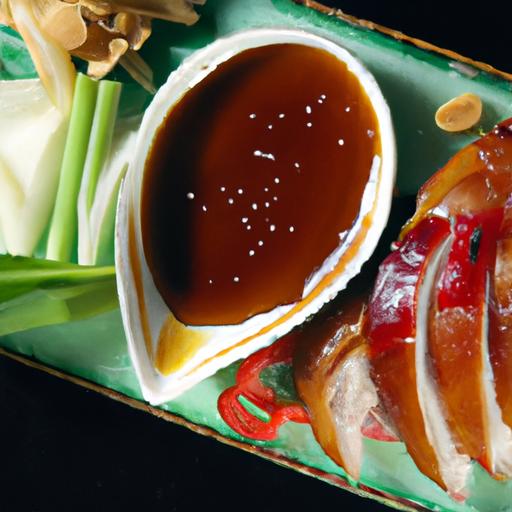
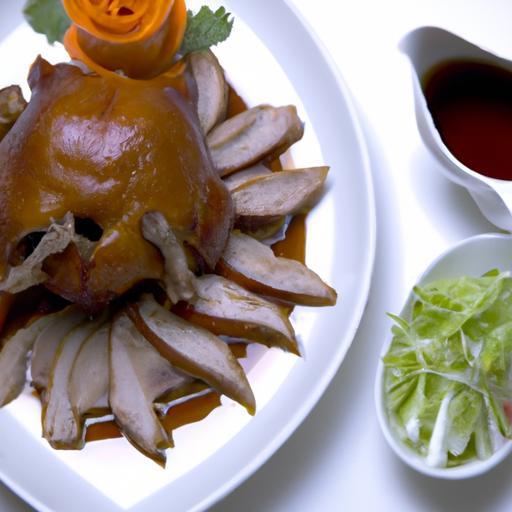
In the heart of Beijing’s bustling streets and ancient alleyways lies a culinary masterpiece that has tantalized taste buds for centuries: Peking Duck. More than just a dish, it is a vibrant tapestry woven with history, artistry, and tradition-a symbol of Chinese culture served on a platter. From its origins in imperial kitchens to its revered status in modern gastronomy, Peking Duck unfolds a story as rich and layered as its perfectly crisp skin. Join us as we peel back the lacquered layers to explore the fascinating art and history behind this iconic classic, where every bite offers a delicious link to China’s storied past.
Peking duck Unveiled: The Art and History of a Chinese Classic invites you into the luxurious world of Imperial China, where this culinary masterpiece first took its roots. Revered for its crispy skin and succulent meat, this dish was once reserved exclusively for emperors and royal banquets, embodying not only exquisite flavor but also deep cultural symbolism.The meticulous preparation techniques and rich ancient heritage create an unforgettable experience that transcends time and geography, inspiring home cooks and chefs alike to recreate this iconic dish.
Prep and Cook Time
- Preparation Time: 2 hours (plus overnight drying)
- Cooking Time: 1 hour 20 minutes
- Total Time: Approximately 3 hours 20 minutes
Yield
Serves 4-6 people generously
Difficulty Level
Advanced: Requires patience and attention to detail, but the results are truly rewarding
ingredients
- 1 whole Peking duck (approx. 5-6 pounds), cleaned and dried
- 4 tbsp maltose syrup or honey, for glazing
- 2 tbsp Chinese five-spice powder
- 2 tbsp Shaoxing wine
- 1 tbsp salt
- 4 cups boiling water
- 8-10 spring onions, thinly sliced
- 1 cucumber, julienned
- 18-24 Mandarin pancakes or thin wheat flour wrappers
- Hoisin sauce or sweet bean sauce for serving
- Optional: Plum sauce for dipping
Instructions
- Prepare the duck: Rinse the duck thoroughly and pat dry. using a clean needle or skewer, gently separate the skin from the fat by inserting through the neck opening and carefully inflating the skin with air or a balloon pump-this step is crucial for achieving crispy skin.
- Scald and dry: Pour 4 cups of boiling water over the duck evenly to tighten the skin. Then wipe dry with paper towels. Repeat this process 2-3 times to refine skin texture.
- Apply glaze: Mix maltose syrup with a little warm water until runny. Brush the syrup evenly on the duck skin. This creates the iconic lacquered finish after roasting.
- Dry overnight: Hang the duck in a cool, airy place for at least 12 hours (overnight) to dry the skin thoroughly. this step is vital to lock in moisture and allow the skin to crisp up perfectly.
- Season the cavity: Rub the duck’s cavity with salt, Chinese five-spice powder, and Shaoxing wine. This infuses fragrant aromatics deep into the meat.
- Roast the duck: Preheat your oven to 375°F (190°C). Place the duck on a rack inside a roasting pan to catch drippings. Roast for about 1 hour 20 minutes, turning the duck every 20 minutes to ensure even cooking and crisp skin.
- Finish with a glaze: In the last 15 minutes, brush additional maltose syrup for a glossy, caramelized surface. Monitor carefully to avoid burning.
- Rest the duck: Remove from oven and let rest for 10 minutes before carving. This helps the juices redistribute for succulent meat.
- Carve traditionally: Using a sharp knife, slice the skin into thin pieces, ideally with a thin layer of meat attached. This balance is the hallmark of Peking Duck.
- Assemble and serve: Spread hoisin sauce over a Mandarin pancake, add sliced duck skin and meat, then garnish with spring onions and cucumber. Roll tightly and enjoy immediately.
Tips for Success
- Drying the skin is key: The overnight drying step cannot be skipped-it ensures that unmistakable crackling texture.
- Substitute maltose with honey if maltose is unavailable; the flavor is slightly different but still excellent.
- If you lack a hanging rack, alternatively place the duck on a wire rack with a bowl underneath in the fridge to dry.
- Use a sharp, flexible knife for precision slicing-this not only looks gorgeous but enhances texture.
- Leftover duck meat can be repurposed into stir-fries or fried rice for a delicious second meal.
Serving Suggestions
Present your Peking Duck with vibrant garnishes like thinly julienned cucumber and fresh spring onions atop warm, soft Mandarin pancakes. Serve alongside hoisin sauce and a small dish of plum sauce to complement the rich flavors. For an elegant touch, scatter toasted sesame seeds or sautéed garlic chips on the pancakes before rolling. Pair with classic Chinese sides such as stir-fried bok choy or a light egg-drop soup to balance the richness. A chilled jasmine tea or a glass of dry Riesling makes an excellent beverage to cleanse the palate between bites.
| Nutrient | Per Serving (approx.) |
|---|---|
| Calories | 520 kcal |
| Protein | 45 g |
| Carbohydrates | 30 g |
| Fat | 28 g |

For a deeper dive into the art of Chinese roast dishes, explore our roast goose recipe. To learn more about the cultural impact of this tradition, consult the authoritative analysis from Encyclopedia Britannica.
Q&A
Q&A: Peking Duck Unveiled – The art and History of a Chinese Classic
Q1: What makes Peking Duck such an iconic dish in chinese cuisine?
A1: Peking Duck is more than just a meal; it’s a culinary masterpiece that embodies centuries of tradition, skill, and cultural pride. Renowned for its paper-thin, crisp skin and succulent, tender meat, it showcases the delicate balance between texture and flavor. The dish’s meticulous preparation and presentation elevate it from food to art,making it a symbol of Chinese culinary excellence worldwide.
Q2: How did Peking Duck originate and evolve throughout history?
A2: The origins of Peking Duck trace back to the Yuan Dynasty (1271-1368), where it began as a royal delicacy.Initially a staple for emperors, the dish gained popularity during the Ming Dynasty when cooking techniques were refined, and the iconic style of serving with thin pancakes, scallions, and hoisin sauce was established. Over centuries, Peking Duck evolved from a palace-exclusive dish to a beloved national treasure enjoyed by all.
Q3: What is the secret behind the perfect peking Duck skin?
A3: The coveted crispy skin is the heart of Peking Duck’s allure. The secret lies in careful air-drying of the duck’s skin after it’s been coated with a maltose syrup glaze, followed by roasting in a specialized oven-traditionally a wood-fired brick oven heated to precise temperatures. This process renders the fat beneath the skin, creating a crackling, golden-brown crust that shatters delightfully with each bite.
Q4: Why is the carving and serving technique vital for Peking Duck?
A4: The art of carving Peking Duck is a ceremonial performance as much as it is a culinary step. Expert chefs slice the duck with surgical precision, separating thin layers of skin and meat to maximize the combination of textures.Serving traditionally involves handing guests warm steamed pancakes, crisp cucumber, scallions, and savory sauces, allowing diners to assemble personalized, harmonious bites. This interactive presentation honors both the dish’s heritage and the joy of communal dining.
Q5: How has Peking Duck influenced global perceptions of chinese food?
A5: Peking Duck has been a delicious ambassador for Chinese cuisine, influencing palates across continents and inspiring countless chefs worldwide. Its preparation and intricate presentation challenge stereotypes of Chinese food, showcasing sophistication and culinary artistry. Restaurants specializing in Peking Duck have become cultural landmarks,inviting people everywhere to experience a taste of China’s rich history and gastronomy.
Q6: Can Peking Duck be adapted for modern or international tastes without losing its essence?
A6: While purists celebrate tradition,chefs today creatively reinterpret Peking Duck,blending it with contemporary flavors and dietary preferences. From Peking Duck tacos to vegetarian “duck” made of plant-based ingredients, the dish’s essence-crisp skin, savory richness, and layered taste-remains central. These adaptations invite new audiences to savor its magic, ensuring that Peking Duck continues to evolve while honoring its historic roots.
Final Thoughts
As the final crispy slice of Peking Duck graces your palate,it’s clear that this dish is far more than a culinary delight-it is a living testament to centuries of Chinese culture,artistry,and tradition. From imperial courts to bustling city streets,the story of Peking Duck unfolds as a savory tapestry woven with precision,passion,and history. Whether you savor it wrapped in paper-thin pancakes or simply appreciate its rich heritage from afar, understanding the art behind this classic elevates every bite into a celebration of China’s enduring gastronomic legacy. In unveiling the secrets behind Peking Duck, we invite you to taste not just a dish, but a story that continues to inspire and enchant food lovers around the world.