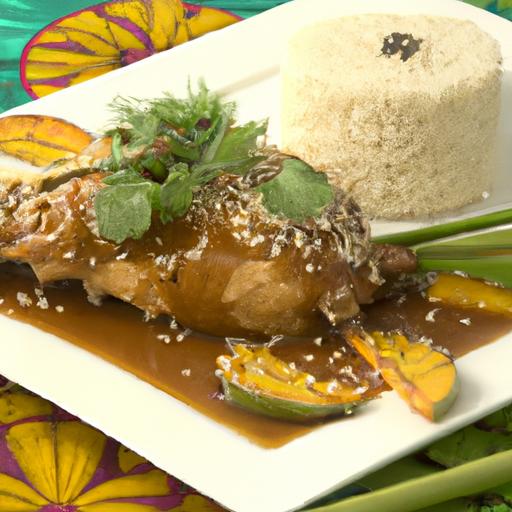
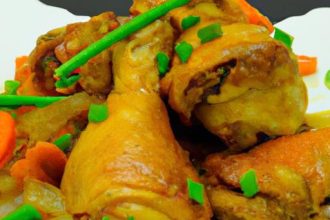
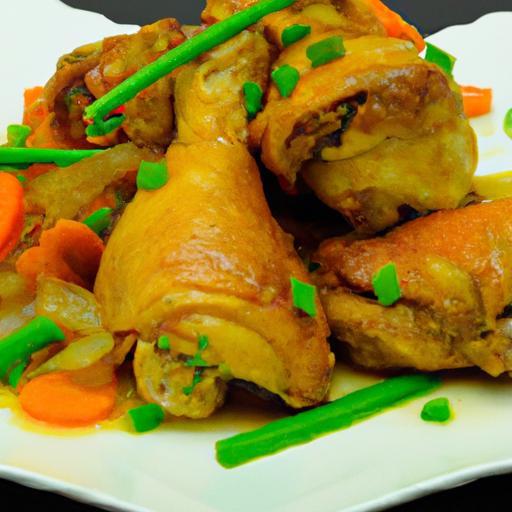
ThereS a certain magic that happens when tender chicken meets the rich, vibrant hues of palm oil sauce-a culinary embrace that awakens the senses and tells a story of heritage and tradition. “Savoring Chicken in Palm Oil Sauce” invites you to explore a flavorful delight where every bite is a journey through bold aromas, warm spices, and the deep, luxurious taste that only palm oil can impart. In this article, we’ll uncover the origins of this beloved dish, reveal the secrets behind its distinctive sauce, and offer tips to bring this savory masterpiece from kitchen to table. Prepare to delight your palate and discover why this fusion of simple ingredients results in a feast that’s both comforting and unforgettable.
Savoring Chicken in Palm Oil Sauce offers a captivating journey into West African culinary heritage, a dish where robust flavors and vibrant colors meld to create an unforgettable experience. Originating from the rich, sun-drenched tropics where palm oil is a staple, this dish carries centuries of tradition, often enjoyed during festive gatherings or as a comforting family meal. My first encounter with this vibrant sauce was in Lagos, where the intoxicating aroma of simmering spices and the deep red hue of palm oil captivated my senses, forever redefining my recognition for bold, soulful cuisine.
Prep and Cook Time
- Preparation: 20 minutes
- cooking: 40 minutes
- Total Time: 1 hour
Yield
Serves 4 hearty portions
Difficulty Level
Medium – ideal for adventurous home cooks seeking to expand their flavor repertoire
Ingredients
- 1.5 lbs chicken pieces (bone-in, skin-on for maximum flavor absorption)
- 1 cup palm oil (refined or unrefined based on preference)
- 2 medium red onions, finely chopped
- 4 cloves garlic, minced
- 1-inch piece ginger, grated
- 3 fresh red chili peppers, chopped (adjust to heat preference)
- 2 medium tomatoes, blended into a smooth puree
- 1 tablespoon tomato paste
- 1 teaspoon smoked paprika
- 1 teaspoon ground coriander
- 1 teaspoon dried thyme
- 1 tablespoon seasoning cube (optional for an authentic umami boost)
- Salt and freshly cracked black pepper, to taste
- Fresh basil or scent leaves (or substitute with fresh parsley), for garnish
- 2 cups chicken broth (homemade or low-sodium store-bought)
Instructions
- prepare the chicken: Rinse chicken pieces thoroughly and pat dry with paper towels. Season generously with salt and pepper.Allow it to rest while you prepare the sauce.
- Heat the palm oil: In a large skillet or heavy-bottomed saucepan,warm the palm oil on medium heat until shimmering but not smoking. This process releases the oil’s deep, fragrant aroma-avoid overheating.
- sauté aromatics: Add the chopped onions, garlic, ginger, and chopped red chilies. Sauté until golden brown, about 5 minutes, stirring often to avoid burning and to blend flavors beautifully.
- incorporate tomato elements: Stir in the blended tomato puree and tomato paste. Cook for 10 minutes, stirring occasionally, until the sauce thickens and the raw tomato smell fades.
- Add spices: Sprinkle in smoked paprika, ground coriander, dried thyme, and seasoning cube. Stir well to evenly distribute the spices throughout the sauce.
- Brown the chicken: Push the sauce to the side of the pan, raise the heat to medium-high. Add the chicken pieces skin side down and brown for 5-7 minutes until golden and crispy. Flip and brown the other side for 3-4 minutes.
- simmer to perfection: Pour in the chicken broth and bring the mixture to a gentle simmer. Cover and cook for 25-30 minutes, turning the chicken occasionally to ensure it fully absorbs the sauce’s rich, tangy essence.
- Final adjustments: Check seasoning and adjust salt and pepper if necessary. Remove the lid and simmer uncovered for 5-7 minutes to reduce the sauce slightly for an intense finish.
- Garnish and serve: Sprinkle fresh basil or scent leaves on top.Serve hot alongside fluffy rice,fufu,or freshly baked bread to mop up every luscious drop of the palm oil sauce.
Chef’s Notes: Tips for Success
- Choosing the chicken: Bone-in, skin-on chicken yields the best flavor. For quicker cooking, use thighs or drumsticks instead of whole pieces.
- Palm oil quality: Opt for cold-pressed, unrefined palm oil for a more authentic, earthy aroma. Refined oil has a milder flavor and a brighter red color.
- Heat control: Palm oil burns easily-maintain medium heat and watch closely while cooking aromatics and browning chicken.
- Make ahead: The dish tastes even better the next day as flavors meld deeply. Store refrigerated for up to 48 hours or freeze in airtight containers.
- Spice variations: Add a dash of cayenne or smoked chili powder for extra heat, or substitute fresh tomatoes with canned fire-roasted tomatoes for convenience without sacrificing smoky depth.
Serving Suggestions
For an authentic West African feast, serve this chicken in palm oil sauce with steaming white jasmine or basmati rice, fragrant jollof rice, or alongside traditional fufu or pounded yam. Garnishing with fresh herbs like basil or scent leaves adds an aromatic brightness and color contrast that complements the sauce’s deep red hue. A simple side of fried plantains or sautéed greens can complete your plate with sweetness and texture balance. Don’t forget a slice of crusty bread to soak up the rich palm oil sauce-pure comfort on every bite.

| Nutrient | Amount per Serving |
|---|---|
| Calories | 520 kcal |
| Protein | 38 g |
| Carbohydrates | 8 g |
| Fat | 36 g |
For more inspiration on West African flavors, check out our authentic Jollof Rice recipe. To deepen your knowledge on palm oil’s nutritional benefits, visit this detailed study from the National Institutes of Health.
Q&A
Q&A: Savoring Chicken in Palm Oil Sauce – A Flavorful Delight
Q1: What makes chicken in palm oil sauce such a standout dish?
A1: The magic lies in the rich, vibrant red hue and the deep, earthy flavor of the palm oil.This tropical oil infuses the chicken with a unique, slightly smoky aroma that elevates every bite. The sauce’s complexity-balanced with spices, onions, and sometiems tomatoes-creates a hearty, soulful dish that’s both comforting and exotic.
Q2: Where does this dish originate from?
A2: Chicken in palm oil sauce is a beloved staple in West African cuisine, especially in countries like Nigeria and Ghana. Palm oil has been used for centuries in this region,cherished not only for its flavor but also its cultural and nutritional significance.
Q3: How is palm oil different from other cooking oils?
A3: Palm oil is distinctive for its bright reddish-orange color and its rich, robust flavor profile. Unlike neutral oils, it imparts a slightly earthy and fruity note to dishes. It’s naturally high in saturated fats and vitamin E,and when used properly,it adds a luscious texture and aroma that’s hard to replicate.
Q4: What are the basic ingredients in chicken in palm oil sauce?
A4: At its core, you’ll find chicken pieces simmered in palm oil combined with sautéed onions, garlic, ginger, and a blend of spices-think chili peppers for heat and sometimes smoked paprika or local seasonings. Tomatoes are often added to build a tangy base, while herbs like thyme or bay leaves round out the flavor.
Q5: Can beginners cook this dish at home?
A5: Absolutely! While palm oil might feel unfamiliar at first, it’s widely accessible in international markets or online. The technique mostly involves browning the chicken and slowly simmering it in the sauce until tender. The key is patience-letting the flavors meld patiently results in that signature depth.
Q6: What are some perfect pairings for chicken in palm oil sauce?
A6: Traditionally, this dish is served with starchy sides such as fufu, rice, or yam. The mildness of these accompaniments beautifully balances the rich, spicy sauce. For a modern twist, try it alongside creamy mashed potatoes or even crusty bread to soak up every last drop.
Q7: Is chicken in palm oil sauce nutritious?
A7: Yes, it offers a nutritious punch! Palm oil is rich in antioxidants like beta-carotene and vitamin E, supporting eye health and immunity. Combined with protein-packed chicken and fresh spices,this dish makes a wholesome meal packed with flavor and health benefits.
Q8: How can one experiment with the dish to suit different palates?
A8: Feel free to adjust the heat level by adding more or less chili.Incorporate vegetables like bell peppers or spinach for extra nutrients and texture. For a smoky twist, grilling the chicken before adding it to the sauce adds a new dimension. The recipe is versatile-let your creativity guide your taste buds!
Q9: what cultural significance does this dish hold?
A9: Beyond its deliciousness, chicken in palm oil sauce is more then food-it’s a celebration of heritage. It’s often cooked during festivals, family gatherings, and special occasions, symbolizing warmth, community, and the rich culinary tapestry of West africa.
Q10: Where can curious food lovers find authentic palm oil?
A10: Authentic, unrefined palm oil is usually available at African or caribbean markets, specialty grocery stores, or online. Look for deep red, unprocessed varieties to get that genuine flavor and nutritional benefits typical of traditional recipes.
Indulge in chicken in palm oil sauce, and you’re not just tasting a meal-you’re savoring a vibrant story steeped in culture, history, and a palate-pleasing punch of flavor!
future Outlook
As the rich aroma of chicken simmered in luscious palm oil sauce lingers in your memory, so too does the vivid reminder of how tradition and flavor dance together on the palate. This delightful dish is more than just a meal-it’s a celebration of heritage, technique, and the bold, vibrant tastes that make every bite an experience.Whether you’re a seasoned cook or an adventurous foodie, savoring chicken in palm oil sauce invites you to explore a world where every spoonful tells a story. So next time you crave something both comforting and exotic, let this flavorful delight transport you-one savory bite at a time.