There’s something undeniably magical about biting into a perfectly baked Cornish pasty.With its flaky, golden crust encasing a hearty, savory filling, this traditional British delight has earned its place as a beloved comfort food across the world. But what truly transforms a humble pasty into a mouthwatering masterpiece? The secret lies in the pastry – its texture, flavor, and balance are what turn every bite into a party of craftsmanship. in this guide,we’ll take you on a appetizing journey to master the art of perfect pastry,unlocking tips and techniques to savor the very best Cornish pasty right from your own kitchen. Get ready to embrace tradition, flavor, and a bit of buttery magic!
Savor the Best Cornish Pasty: A Guide to Perfect Pastry
Savor the best Cornish Pasty begins with choosing the right ingredients and approaching the craft with respect for tradition. This iconic British delicacy boasts a rich heritage rooted in Cornwall’s tin-mining history, where miners relied on these portable, hearty pies for their meals underground. Today, mastering the art of crafting a flaky, golden crust filled with savory, well-balanced flavors elevates your kitchen prowess and transports you to the heart of Cornwall’s culinary legacy.
Prep and Cook Time
- Readiness: 30 minutes
- Resting/Dough chilling: 1 hour
- Cooking: 50-60 minutes
- Total: Approximately 2.5 hours
Yield
4 generous Cornish pasties (8-inch each)
Difficulty Level
Medium – mastering this recipe requires patience and attention to detail but rewards you with authentic, flaky goodness
Ingredients
- For the Pastry:
- 3 cups all-purpose flour, sifted
- 1 tsp salt
- 12 tbsp unsalted butter, cold and diced
- 5-6 tbsp ice-cold water
- 1 tbsp white vinegar (to enhance flakiness)
- For the Filling:
- 1 lb beef skirt or chuck steak, finely diced
- 2 medium potatoes, peeled and finely diced
- 1 large onion, finely chopped
- 1 medium rutabaga (swede), peeled and diced
- Salt and freshly ground black pepper, to taste
- Optional: 1 tbsp butter for sautéing filling (adds richness)
- For Brushing:
- 1 egg yolk, beaten with 1 tsp water
Savor the Best Cornish Pasty: Step-by-Step Instructions
- Prepare the Dough: In a large bowl, mix the sifted flour and salt. Add diced cold butter and gently rub it into the flour using your fingertips until the mixture resembles coarse breadcrumbs.
- Add Liquids: combine ice-cold water and vinegar. Gradually drizzle into the flour-butter mixture, stirring with a fork until a rough dough forms. Avoid overworking to keep pastry tender.
- Rest the Dough: Shape the dough into a flat disc, wrap in plastic, and chill for at least 1 hour. this resting period ensures a flaky crust after baking.
- Prepare the Filling: In a bowl, combine diced beef, potatoes, onion, and rutabaga. Season generously with salt and black pepper. For added flavor, optionally sauté the filling briefly in butter until onions soften-but traditional pasties often use raw filling to retain moisture during baking.
- Roll the Pastry: Divide dough into 4 portions. On a lightly floured surface, roll each ball into a circle approximately 8 inches in diameter, about 3-4 mm thick.
- Assemble Pasties: Spoon an even layer of filling onto one side of each pastry circle, leaving a 1-inch border. Fold the pastry over the filling to create a semicircle.
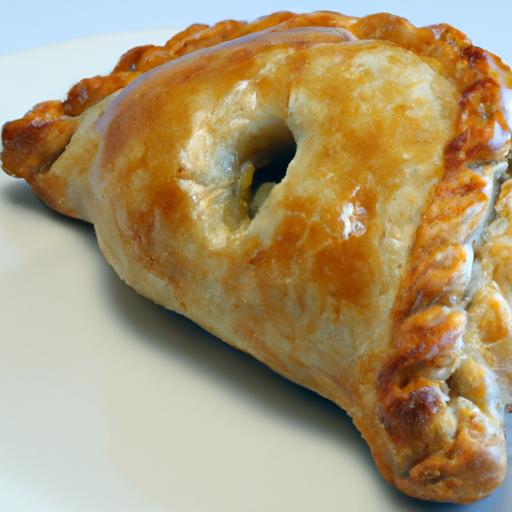
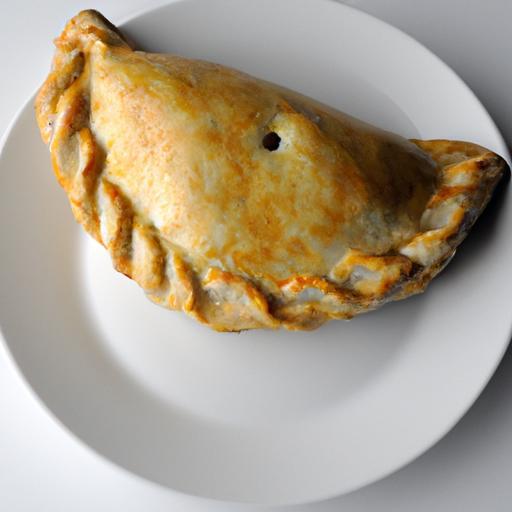
- seal the Edges: Firmly crimp the edges by pleating or pressing with your fingers to form a traditional “crimp” – this not only seals the filling but creates Cornish pasty’s iconic look.
- Brush and Bake: Place pasties on a parchment-lined tray. Brush pastry lightly with egg wash for a golden finish. Pierce a small hole or two in the top of each to allow steam to escape.
- Bake: In a preheated oven at 400°F (200°C), bake for 50-60 minutes or until the crust is golden and crisp, and the filling is cooked through.
- Rest and Serve: Allow the pasties to cool slightly before serving so juices settle.
Tips for Success: Elevate Your Cornish Pasty Game
- Cold Butter is key: Use the coldest butter possible for the pastry to achieve those coveted flaky layers.
- Rest Your Dough: Don’t skip chilling-it allows the gluten to relax and prevents shrinkage during baking.
- Filling Balance: The classic 50/50 ratio of meat to vegetables ensures even cooking and a moist filling.
- Use a Sharp Knife: dice meat and veg finely and evenly to guarantee every bite is packed with flavor.
- Make Ahead: Pasties can be wrapped tightly and frozen before baking-just increase baking time by 10-15 minutes when cooking from frozen.
Serving Suggestions
Present your Cornish pasty warm with a simple side of buttered peas or a crisp green salad dressed lightly with vinegar. For an authentic touch, serve with a dollop of mustard or tangy chutney. Garnish with fresh chopped parsley or thyme to add a pop of color and aromatic zest. Invite guests to break open the golden crust and reveal the hearty filling-each bite bursting with tradition and comfort.

Nutritional Details (per pasty)
| Calories | Protein | Carbohydrates | Fat |
|---|---|---|---|
| 450 kcal | 28 g | 35 g | 18 g |
For further inspiration and techniques on creating British favorites, explore our collection of pie recipes.To understand more about traditional Cornish pasty protection, visit the official Cornish Pasty Association.
Q&A
Q&A: Savor the Best Cornish Pasty – A guide to Perfect Pastry
Q1: What makes a Cornish pasty truly iconic?
A1: The Cornish pasty is a culinary emblem of Cornwall, characterized by its sturdy, golden pastry and hearty filling. Traditionally, it’s half-moon shaped with a crimped edge, designed to be a portable meal for miners. The magic lies in its balance-the buttery, flaky crust envelops a savory mix of beef, potatoes, swede (rutabaga), and onions, delivering comfort in every bite.
Q2: How crucial is the pastry in creating an authentic Cornish pasty?
A2: The pastry is the unsung hero of the Cornish pasty. It must be firm enough to hold the filling without sogging yet tender and flaky enough to melt on the tongue. Achieving this harmony means using the right flour, cold butter, and often a touch of lard, all combined with chilled water to craft dough that’s workable but not overworked.
Q3: Can I use modern shortcuts to make the pastry?
A3: While store-bought pastry can save time, it rarely replicates the signature texture of a homemade Cornish pasty crust. The charm of the pasty is in the handmade dough-where chilled butter creates pockets of flakiness and careful folding encourages a light, layered finish. If time presses, try rolling your own dough from scratch but don’t skip chilling-it’s key.
Q4: What’s the secret to achieving that perfect crimp?
A4: The crimp isn’t just decorative-it seals in juices and marks the pasty’s Cornish heritage. Use your thumb and forefinger to pinch the dough from the front, folding it back toward the back edge in a neat ridge. It’s a practiced art that adds a tactile signature to your pasty, ensuring no filling escapes during baking.Q5: How do I ensure the filling cooks evenly inside the pastry?
A5: Cut your ingredients into uniform, bite-sized pieces and avoid overfilling your pasty.The classic filling of beef, swede, onion, and potato cooks evenly within the dough’s insulation. Par-cooking the tougher vegetables slightly can help. Remember,the pasty cooks slowly at moderate heat so the flavors meld and the filling steams to tender perfection.
Q6: Any tips for baking the perfect cornish pasty?
A6: Bake your pasties on a preheated baking tray at around 200°C (400°F) for 45-50 minutes until golden brown. An egg wash brushed on before baking adds a gorgeous sheen and helps seal the crust. For a rustic finish,don’t be afraid of a few darker spots-they’re part of the pasty’s authentic charm.
Q7: can Cornish pasties be customized, or should I stick to tradition?
A7: Tradition is the heart of the Cornish pasty, but culinary creativity is the soul. Classic fillings reign supreme, but variations with lamb, chicken, or vegetarian options like mushroom and cheese are delightful. Just remember-the pastry remains the star, so keep it flaky and firm to uphold that iconic pasty experience.
Q8: Where can I find the best Cornish pasties outside Cornwall?
A8: Seek out bakeries dedicated to traditional methods, often run by Cornish expats or enthusiasts. Farmers markets and specialty shops that use authentic recipes and high-quality ingredients typically deliver the best pasties. Or,channel your inner baker and bring a slice of Cornwall home by making your own!
Key Takeaways
From flaky,buttery crusts to rich,hearty fillings,the Cornish pasty is more than just a meal-it’s a taste of history wrapped in golden perfection. armed with this guide, you’re now ready to embark on your own pastry adventure, crafting pasties that honor tradition while inviting your personal flair. So, whether you’re savoring a warm pasty on a blustery day or sharing your homemade creations with loved ones, remember: the perfect Cornish pasty is as much about the journey as the delicious destination. Happy baking, and may every bite be a savory celebration!