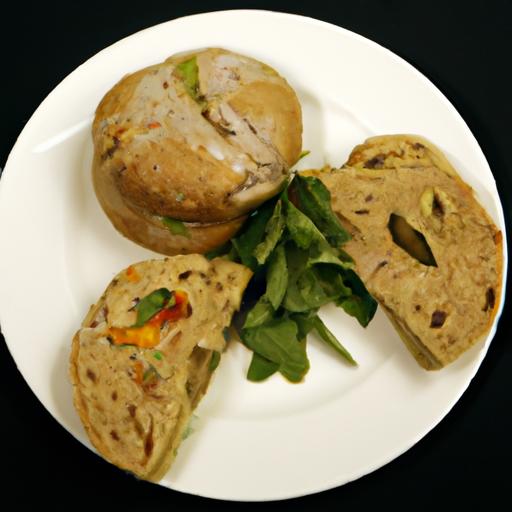
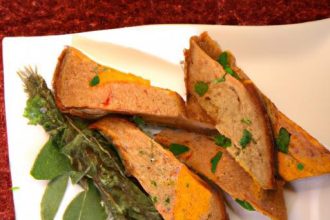
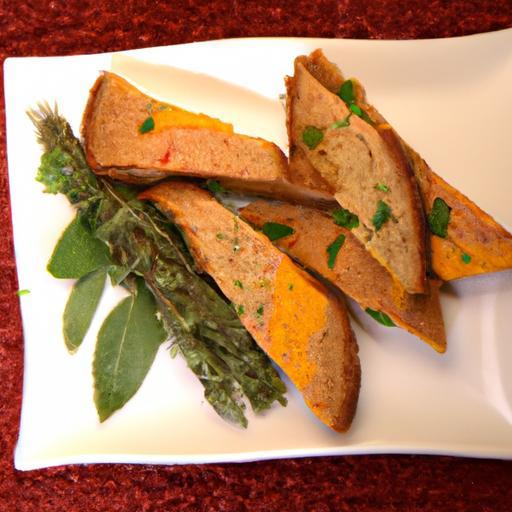
Across the sun-drenched landscapes of North Africa, bread is more then just sustenance-it is indeed a symbol of heritage, community, and centuries-old craftsmanship. Yet, in a region famed for its rich, wheat-based loaves and pastries, a new wave of culinary innovation is quietly rising: gluten-free north African breads. These creations honor the time-honored traditions of the Maghreb while embracing modern dietary needs, reimagining age-old recipes with ancient grains and inventive techniques. Join us on a flavorful journey to discover how North African bakers are blending history and health, transforming beloved breads into vibrant, gluten-free delights that tell a story as rich as the land itself.
Exploring the Roots of North African Gluten-free Breads
Discovering gluten-free North African breads opens a doorway to a centuries-old culinary heritage rich with aromatic spices, nutty flours, and soulful techniques. These breads,frequently enough crafted from naturally gluten-free grains like sorghum,millet,and teff,embody the heart of regional traditions-from the bustling medinas of Morocco to the sun-drenched coasts of Tunisia-inviting modern cooks to reimagine ancient recipes with contemporary ease.
Prep and Cook Time
- Preparation: 25 minutes
- Resting/Rising: 1 hour
- Cooking: 15 minutes
- Total Time: Approximately 1 hour 40 minutes
Yield
Serves 6 – perfect for sharing or savoring fresh over a couple of days
Difficulty Level
Medium – approachable for those with basic gluten-free baking experience
Ingredients
- 1 cup sorghum flour
- 1/2 cup chickpea flour
- 1/2 cup tapioca starch
- 1 teaspoon xanthan gum
- 1 teaspoon sea salt
- 1 teaspoon baking powder
- 2 tablespoons olive oil
- 1 cup warm water (110°F/43°C)
- 1 tablespoon honey or date syrup
- 1 teaspoon active dry yeast
- 1 teaspoon smoked paprika (optional for a North African spice note)
Instructions
- Activate the yeast: In a small bowl, combine warm water, honey (or date syrup), and active dry yeast. Stir gently and let sit for 10 minutes until frothy and bubbling, indicating the yeast is alive.
- Mix dry ingredients: In a large mixing bowl, whisk together sorghum flour, chickpea flour, tapioca starch, xanthan gum, salt, baking powder, and smoked paprika.
- Combine wet and dry: Pour the yeast mixture and olive oil into the dry ingredients. Stir with a wooden spoon or dough hook attachment until fully incorporated. The dough will be slightly sticky but firm.
- Rest & rise: Cover the bowl with a damp kitchen towel or plastic wrap. Let the dough rest in a warm place for 45-60 minutes until it has visibly puffed but not doubled,as gluten-free yeast doughs rise more gently.
- Shape the breads: Lightly flour a clean surface with sorghum flour. Divide the dough into 6 equal portions.Shape each into a flat round,about 5-6 inches in diameter and ½ inch thick. Place on a parchment-lined baking sheet.
- Bake: Preheat your oven to 400°F (200°C). Just before baking, brush each bread with extra olive oil for a golden crust. Bake for 12-15 minutes until the tops turn golden and the breads sound hollow when tapped.
- Cool and serve: Let breads cool slightly on a rack before slicing. They are best enjoyed warm with dips or tagines but also store well in an airtight container for up to 3 days.
Chef’s Notes
- For a deeper nutty flavor, lightly toast the sorghum and chickpea flours in a dry skillet before mixing.
- Substitute the chickpea flour with fava bean flour to replicate a classic Tunisian touch.
- Adjust the water quantity slightly depending on local humidity; the dough should be pliable but not overly wet.
- Make-ahead tip: Prepare the dough up to rising stage,cover tightly,and refrigerate overnight. Bring to room temperature before shaping and baking.
- for additional authenticity, sprinkle sesame seeds or nigella seeds on top before baking to mimic regional finishing styles.
Serving Suggestions
This gluten-free North African bread pairs beautifully with flavorful tagines, vibrant harissa, or creamy labneh. Serve sliced warm alongside a colorful mezze platter featuring olives, preserved lemons, roasted eggplants, and fresh herbs like cilantro and parsley. A drizzle of extra virgin olive oil and a sprinkle of za’atar complete the presentation, enhancing both the taste and visual appeal.

| Nutrient | Per Serving |
|---|---|
| Calories | 150 kcal |
| Protein | 4 g |
| carbohydrates | 28 g |
| Fat | 3.5 g |
For more recipes rooted in heritage and crafted for gluten-free lifestyles, check our Gluten-Free North African Couscous Guide. To delve deeper into the science of gluten-free flours, visit Gluten-Free Society’s Flour Insights.
Q&A
Q&A: Discovering Gluten-free North African breads: Traditions Reimagined
Q1: What makes North African breads unique compared to other regional breads?
A1: North African breads are a vibrant mosaic of culture and tradition, often characterized by thier rustic shapes, earthy flavors, and communal baking rituals. From the fluffy,round khobz to the thin,paper-like msemen,these breads carry centuries of history baked into every bite. What sets them apart is not just the ingredients but the stories they tell-their role in daily life and festive feasts alike.
Q2: Why explore gluten-free versions of North African breads?
A2: Gluten-free diets are more than a trend-they are a necessity for many with celiac disease or gluten sensitivities. Exploring gluten-free North African breads opens up these cherished culinary traditions to a wider audience, allowing everyone to partake in the cultural richness without compromise. It’s a appetizing way to honor the past while embracing dietary inclusivity and innovation.Q3: What traditional North African grains lend themselves well to gluten-free baking?
A3: North Africa’s diverse agriculture provides an excellent canvas for gluten-free creativity. Millet, sorghum, teff, and chickpea flour are indigenous grains and pulses that lend a nutty, wholesome character to breads. These not only substitute wheat’s gluten with natural textures but also bring unique flavors that echo the region’s landscape and traditions.
Q4: How do gluten-free North African breads differ in texture and taste from their wheat-based counterparts?
A4: Gluten-free breads frequently enough surprise with their hearty, earthy tones and rustic crumb. While they may not achieve the exact chewiness of traditional khobz, the use of naturally gluten-free grains infuses the bread with distinctive aromatic undertones. This reimagining invites a new sensory experience-more crumbly and tender, yet equally comforting and flavorful.
Q5: Are the traditional baking methods compatible with gluten-free recipes?
A5: Many traditional techniques can be adapted with a little creativity! The communal tabouna oven, for example, imparts a smoky essence that beautifully complements gluten-free grains. Though, adjustments in fermentation times, hydration, and baking temperature might be necessary as gluten-free dough behaves differently.Embracing these differences allows bakers to invent new rituals that honor the old.
Q6: Can gluten-free North African breads be paired with traditional dishes?
A6: Absolutely! These breads serve as perfect vessels for tagines, harira soup, or spicy merguez sausages. their hearty texture soaks up stews beautifully, while their flavors harmonize with the aromatic spices and fresh herbs typical of North African cuisine. serving gluten-free breads alongside classic dishes ensures the full dining experience remains authentic and satisfying.
Q7: What is the cultural importance of reinventing these breads as gluten-free?
A7: Reinventing North African breads to be gluten-free is a loving tribute to both heritage and health. It reflects a dynamic culture that evolves while preserving its roots,making traditional foods accessible to all. This culinary innovation bridges generations, inviting new stories and memories to be made around the table.Q8: How can someone start experimenting with gluten-free North African bread baking at home?
A8: Begin with familiar flours like chickpea or millet flour, and start simple-try baking small round loaves or flatbreads to get the feel of dough hydration and texture. Explore recipes that blend traditional spices such as cumin or coriander into your dough for authentic flavor. Patience and playfulness are key; each bake is a step closer to mastering a gluten-free homage to North African bread heritage.
This Q&A invites readers on a flavorful journey where tradition meets innovation, celebrating gluten-free North African breads as a vibrant reimagining of cultural staples.
in Summary
As we’ve journeyed through the sun-drenched landscapes and bustling markets of North Africa, the age-old art of bread-making reveals itself-resilient, evolving, and deeply rooted in tradition. Rediscovering these breads in their gluten-free form not only honors the rich cultural tapestry from which they sprang but also invites a new generation of bread lovers to savor the flavors and stories woven into each bite. By embracing innovation while respecting heritage, gluten-free North African breads offer a delicious, inclusive pathway to experiencing a timeless culinary legacy-one that continues to inspire and nourish across borders and generations. Whether you’re baking at home or seeking out authentic bakeries, this reimagined tradition is a testament to the enduring spirit of North African cuisine, proving that even the oldest recipes can be renewed for today’s diverse palates.