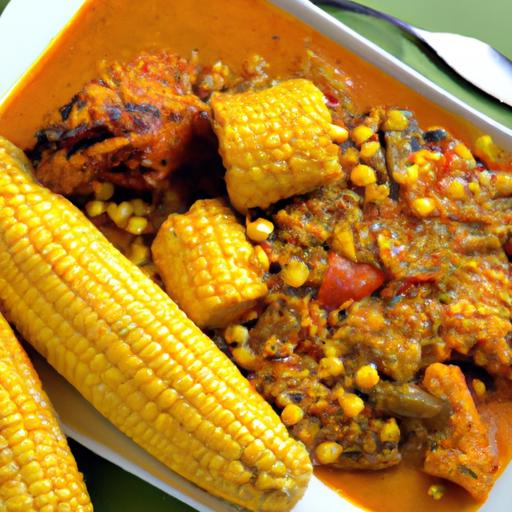

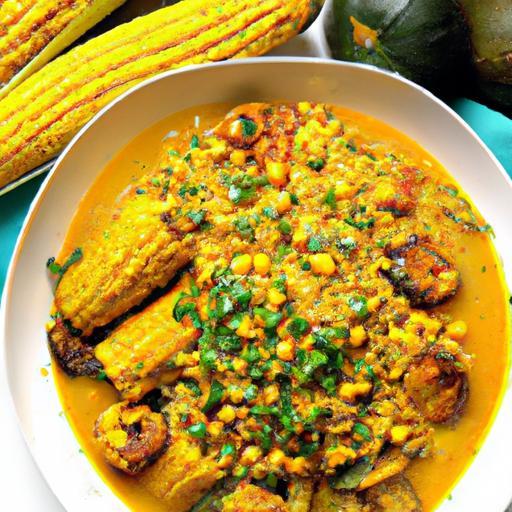
Nestled in the heart of West Africa, Togo’s culinary landscape is a vibrant tapestry of flavors adn traditions, where every dish tells a story of culture and community. Among its many treasured fare, Djenkoume stands out as a beloved cornmeal delight-simple in ingredients yet rich in history and taste. This traditional dish, frequently enough savored during family gatherings and festive occasions, offers more than just nourishment; it is indeed a savory emblem of Togolese heritage. Join us as we explore the origins,preparation,and cultural importance of Djenkoume,uncovering why this humble cornmeal creation has captured the hearts and palates of generations across Togo.
Djenkoume Delight is a cornerstone of Togolese cuisine, bringing together the rich agricultural heritage and vibrant flavors characteristic of West Africa. This traditional cornmeal dish, cherished for generations, reflects not only the resourcefulness of Togo’s farmers but also the heartwarming communal meals shared across families and villages. From the sun-kissed fields where corn is harvested to the lively markets where spices are bartered, the story of djenkoume delight invites you to experiance a culinary tradition that’s as comforting as it is flavorful.
Prep and Cook Time
- Preparation: 10 minutes
- Cooking: 25 minutes
- Total Time: 35 minutes
Yield
Serves 4 hungry diners
Difficulty Level
Medium – Perfect for home cooks ready to explore authentic Togolese techniques
Ingredients
- 2 cups cornmeal (preferably fine ground)
- 4 cups water
- 1 teaspoon salt
- 1 tablespoon palm oil or vegetable oil
- 2 cloves garlic, minced
- 1 small onion, finely chopped
- Optional: fresh chili or smoked paprika for subtle heat
Instructions
- Heat the water in a heavy-bottomed pot over medium heat until it begins to simmer gently. Add salt and palm oil, stirring well to combine.
- Gradually whisk in the cornmeal to prevent lumps, stirring continuously with a wooden spoon until the mixture thickens.
- Reduce heat to low and cover the pot. Allow the djenkoume base to cook, stirring every 5 minutes to prevent sticking. This slow cooking ensures a tender,smooth texture.
- Meanwhile, sauté garlic and onions in a small pan with a dash of oil until golden and fragrant-about 5 minutes. Stir in chili or paprika if using for a subtle smoky kick.
- Incorporate the sautéed aromatics into the cornmeal base,mixing thoroughly for deep flavor integration.
- Continue cooking and stirring on low heat for another 10 minutes or until the djenkoume pulls away slightly from the pot’s sides,indicating it’s perfectly cooked.
- Remove from heat and let it rest, covered, for 5 minutes before serving to allow flavors to harmonize.
Chef’s Notes: Tips for Success
- Texture is everything. Adjust water quantity slightly depending on your cornmeal’s coarseness-smooth for fine grains, slightly thicker for coarse.
- Use a heavy pot to avoid scorching; wooden or silicone spoons make stirring easier and more gentle.
- For richer flavor,substitute part of the water with light broth.
- Make ahead: Refrigerate leftovers and reheat with a splash of water or broth, stirring well to refresh the creamy texture.
- Experiment with palm oil versus vegetable oil to capture authentic color and aroma.
Serving Suggestions
Djenkoume Delight shines when paired with traditional Togolese accompaniments. Serve it alongside flavorful stews like gnama djembe (a savory goat or beef stew), or with grilled fish richly seasoned with local spices.
Garnish with fresh herbs such as parsley or coriander and a wedge of lime to brighten the palate. For textural contrast, add a crunchy onion salad or lightly sautéed greens.This cornmeal base also beautifully complements spicy tomato sauces and creamy peanut-based relishes, showcasing regional variations and elevating your plate into a true festivity of Togolese culinary artistry.
| Nutrient | Per Serving |
|---|---|
| Calories | 250 kcal |
| Protein | 5 g |
| Carbohydrates | 48 g |
| Fat | 6 g |

For more on West African cuisine, explore this insightful Britannica article on african culinary traditions.
Q&A
Q&A: Djenkoume Delight - Exploring Togo’s Traditional Cornmeal Dish
Q1: What exactly is Djenkoume?
A1: djenkoume is a beloved traditional dish from Togo, crafted primarily from cornmeal and often enjoyed as a staple comfort food. Imagine a smooth, subtly sweet cornmeal cake that’s both hearty and versatile-a culinary bridge to the heart of Togolese culture.
Q2: How is Djenkoume traditionally prepared?
A2: The process begins with finely ground cornmeal mixed with water to form a thick batter. This mixture is then gently cooked over low heat, stirred continuously until it thickens into a dense, dough-like consistency. Often wrapped in banana leaves or simply molded by hand, it’s typically steamed or boiled, resulting in a tender, slightly sticky texture that’s perfect for pairing with savory stews or spicy sauces.
Q3: What makes Djenkoume special in Togolese cuisine?
A3: Beyond its comforting taste, Djenkoume embodies the essence of Togolese heritage.It’s a dish that brings families together, frequently enough served during celebrations and communal gatherings. Its earthy flavor and wholesome nature reflect the agricultural traditions of togo, where corn is a vital crop.
Q4: Can Djenkoume be customized or varied?
A4: Absolutely! While the core ingredient is cornmeal, regional variations might include the addition of millet or cassava flour for a different texture. Some cooks incorporate palm oil for richness or add a hint of sugar or salt to tweak the flavor balance.It’s a dish that invites personal touches while honoring its roots.
Q5: What dishes commonly accompany Djenkoume?
A5: Djenkoume shines brightest when paired with robust Togolese stews-think spicy tomato-based sauces with chicken, fish, or goat, richly flavored with local spices, herbs, and vegetables. It acts as the perfect vehicle to soak up these vibrant sauces, creating a harmonious explosion of tastes.
Q6: Where can someone outside of Togo experience authentic Djenkoume?
A6: Exploring African restaurants that focus on West African or specifically Togolese cuisine is a great start.additionally, food festivals celebrating African heritage frequently enough feature traditional dishes like Djenkoume. for the adventurous cook, sourcing quality cornmeal and banana leaves can make home preparation a delightful cultural adventure.
Q7: Why is Djenkoume gaining international interest today?
A7: In a global culinary landscape hungry for authentic, rustic dishes with rich cultural backstories, Djenkoume offers both a flavorful experience and a story steeped in tradition. Its simplicity, wholesome ingredients, and comforting nature resonate with modern food lovers seeking connection and authenticity in every bite.
Q8: What’s the best way to enjoy Djenkoume for a frist-timer?
A8: Approach Djenkoume with an open palate and a spirit of cultural curiosity. Pair it with a flavorful West African stew-perhaps a spicy chicken or okra sauce-and savor the contrasting textures and tastes. Remember, every bite is not just nourishment but a taste of Togo’s vibrant history and community.
Closing Remarks
As the final grains of Djenkoume melt away, what remains is more than just the savory satisfaction of a traditional Togo dish-it is indeed a taste of history, culture, and community woven into every bite. This humble cornmeal delight serves as a flavorful bridge connecting generations, inviting us to savor not only its rich texture and comforting warmth but also the stories and traditions it carries. Whether enjoyed in a bustling market or a quiet family gathering, Djenkoume stands as a delicious emblem of Togo’s culinary heritage, waiting to be discovered and celebrated by food lovers around the world. So next time you seek a dish that nourishes both body and soul, remember the charm of Djenkoume-a true delight from the heart of West africa.