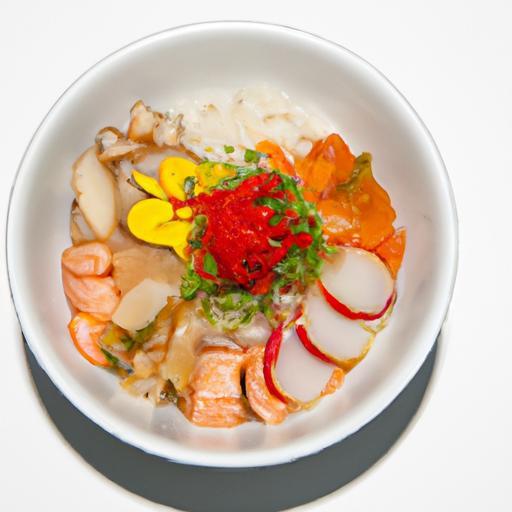
In the vibrant tapestry of Japanese cuisine, few dishes capture both simplicity and sophistication like chirashi sushi. Often described as a “scattered” bowl of flavors, chirashi sushi transforms an assortment of fresh ingredients into an artful mosaic that delights the eyes as much as the palate. Unlike the meticulous precision of nigiri or the neat rolls of makizushi, chirashi invites a freer spirit-where colors, textures, and tastes come together in joyful harmony. This article unpacks the story behind chirashi sushi, exploring it’s cultural roots, essential components, and the subtle techniques that elevate a humble bowl into a masterpiece of scattered flavor. Whether your a sushi aficionado or a curious foodie, prepare to embark on a sensory journey through the art of chirashi.
Readiness Details
- Prep Time: 20 minutes
- Cook Time: 25 minutes
- Total Time: 45 minutes
- Yield: 4 servings
- Difficulty Level: Medium
The Origins and Cultural Significance of Chirashi Sushi
Chirashi sushi is more than a colorful, flavorful bowl – it’s a vibrant celebration of Japanese culinary tradition and cultural history. Originating from the Edo period, this “scattered sushi” dish was originally a convenient and festive way to enjoy the freshest ingredients without the precision of sushi rolls. It embodies both simplicity and sophistication, showcasing artistry in its harmonious balance of saffron-hued vinegared rice and an array of sashimi, vegetables, and garnishes arranged with care and intention.
Over time, chirashi sushi became a beloved symbol of celebration during festivals and special occasions, inviting friends and family to savor an explosion of flavors in every bite. Each region in Japan adds its own twist, reflecting local produce and seafood, making it a dish with deep regional pride and cultural relevance. For home cooks and chefs alike, preparing chirashi sushi is both a heartfelt ritual and an exciting playground to honor the bounty of the sea and land.
Mastering the Perfect Balance of ingredients and Presentation
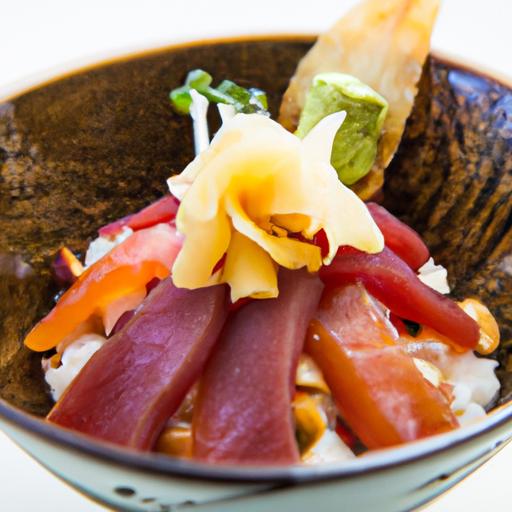
Achieving the ideal balance in chirashi sushi means understanding that every ingredient plays a dual role: flavor and visual poetry. start with perfectly seasoned sushi rice as your base – sticky but not mushy, lightly tangy from vinegar. Then layer with vibrant slices of fresh fish like salmon, tuna, or yellowtail, each piece cut into uniform but natural shapes that invite the eye to explore.
Fresh vegetables such as sliced cucumber, pickled radish, and shiso leaves add crunch, color, and contrast. Tiny dots of ikura (salmon roe) bring bursts of briny sweetness, while the delicate sprinkle of toasted sesame seeds or nori strips creates texture complexity. Presentation is key: ingredients should be arranged so no single element dominates but rather intrigues the diner with scattered bursts of colors and flavors, reflecting the dish’s name and soul.
essential Techniques for Preparing Authentic Chirashi Rice
Authentic chirashi sushi hinges on the rice, which requires precise handling. begin by rinsing Japanese short-grain rice under cold water untill the water is almost clear to remove excess starch. Soak the rice for 30 minutes, then cook it with the exact water ratio to ensure a tender, cohesive texture.
While the rice is still hot, gently fold in a mixture of rice vinegar, sugar, and salt – heated just enough to dissolve the sugar – using a wooden paddle in a cutting motion to avoid crushing the grains. properly seasoned sushi rice should have a subtle tang and a glossy sheen without being overly sticky. Allow it to cool to room temperature in a wide shallow bowl covered with a damp cloth to keep it moist but prevent clumping.
Top Tips for Customizing Your Chirashi Bowl with Seasonal Toppings
One of the most thrilling aspects of crafting chirashi sushi is the endless customization. Let the seasons guide your topping selection to keep your bowls fresh, lively, and inspired. In spring, choose tender asparagus tips, wild greens, or sakura shrimp. Summer invites juicy cubes of ripe watermelon radish and sweet corn; autumn offers roasted mushrooms and chestnuts; winter brings indulgent slices of fatty tuna (otoro) and creamy uni (sea urchin).
Beyond fish and vegetables,consider creative additions like crunchy tempura flakes,a drizzle of spicy mayo,or a sprinkle of yuzu zest for bright citrus notes.For plant-based variations, marinated tofu cubes and shiitake mushrooms seasoned with soy and mirin elevate the dish without losing authenticity.
Ingredients
- 2 cups Japanese short-grain sushi rice
- 2 1/2 cups water
- 1/3 cup rice vinegar
- 3 tbsp granulated sugar
- 1 tsp salt
- 200g assorted sashimi-grade fish (e.g., salmon, tuna, yellowtail), sliced
- 1 small cucumber, thinly sliced
- 1/2 cup ikura (salmon roe)
- 2 sheets nori, shredded
- Pickled ginger, for garnish
- 1 tbsp toasted sesame seeds
- Shiso leaves or microgreens, for garnish
- Optional: tempura flakes, wasabi, yuzu zest
Instructions
- Rinse the rice under cold water until the water runs clear. Soak the rice for 30 minutes, then drain.
- Cook the rice with 2 1/2 cups water in a rice cooker or pot. Once cooked, transfer the rice to a large, shallow bowl.
- Prepare sushi vinegar by heating rice vinegar, sugar, and salt until dissolved. Do not boil.
- Gently fold the sushi vinegar into the hot rice using a wooden spatula with a cutting motion to avoid crushing grains. Fan the rice to cool and create a glossy texture.
- Once the rice reaches room temperature, assemble the chirashi bowls. Spoon the rice evenly into 4 bowls.
- Artistically arrange slices of sashimi, cucumber, pickled ginger, and ikura on top of the rice, alternating colors and textures.
- Garnish with shredded nori, toasted sesame seeds, and shiso leaves or microgreens. Add optional tempura flakes or a drizzle of wasabi mayo for excitement.
- Serve promptly with soy sauce and wasabi on the side for dipping.
chef’s Notes & Tips for Success
- Use the freshest sashimi-grade fish possible – freshness is key for optimal flavor and safety.
- If short on time, sushi rice can be made a day ahead and refrigerated; briefly steam before assembling.
- For vinegar seasoning, adjust sugar and salt to taste, balancing sweet and tang to your preference.
- Ensure rice is cool but not cold when assembling to maintain the ideal texture and avoid sogginess.
- Feel free to experiment with plant-based toppings like avocado, marinated tofu, or lightly sautéed mushrooms for a vegan twist.
- For a fun textural contrast, try adding crushed roasted nuts or crispy tempura flakes just before serving.
Serving Suggestions
Present your chirashi sushi in wide, shallow bowls to showcase the colorful toppings, enhancing visual appeal. Garnish with edible flowers or a delicate brush of wasabi to elevate the dining experience. Pair it with chilled sake or green tea to complement the subtle flavors.Encourage guests to mix the bowl gently before eating, allowing the layers of flavor to intermingle in each bite.
| Nutrient | Per Serving |
|---|---|
| Calories | 460 kcal |
| Protein | 32 g |
| Carbohydrates | 55 g |
| Fat | 10 g |
Discover more sushi styles here and deepen your mastery of Japanese cooking. For detailed nutritional science on fish and rice benefits, refer to Japan-Guide’s Chirashi Sushi Overview.

Q&A
Q&A: Chirashi Sushi – The Art of Scattered Flavor Bowls Explained
Q1: What exactly is Chirashi Sushi?
A1: Chirashi Sushi, often called “scattered sushi,” is a vibrant, artful bowl of sushi rice topped with a colorful assortment of sashimi, vegetables, and garnishes. Unlike traditional sushi rolls or nigiri, Chirashi is a deconstructed sushi experience that invites you to savor each ingredient both individually and in harmony.Q2: How did Chirashi Sushi originate?
A2: Chirashi Sushi has roots deep in Japanese culinary history, tracing back to Edo-period Japan, where it began as a quick, festive meal for fishermen and busy households. It was designed to be a convenient yet visually stunning dish, showcasing the bounty of fresh seafood and seasonal toppings over sushi rice.
Q3: What makes Chirashi Sushi different from other types of sushi?
A3: Unlike nigiri or maki rolls, Chirashi Sushi is served in a bowl with ingredients “scattered” artfully on top. This open-faced presentation encourages creativity-there’s no strict rule for ingredient placement, allowing cooks to craft unique flavor combinations and vibrant visual arrangements.
Q4: What are the key ingredients in Chirashi Sushi?
A4: The base is vinegared sushi rice, fluffy and slightly tangy. From there, the topping possibilities are endless: assorted sashimi like salmon, tuna, and shrimp; vegetables such as cucumber, avocado, and pickled radish; seaweed, roe, and sometimes even tamago (sweet egg omelet). The magic is in the balance of textures and flavors.
Q5: is Chirashi Sushi eaten with soy sauce and wasabi like other sushi?
A5: Yes, but often sparingly. The toppings are meant to showcase their natural flavors, so rather than dunking each bite in soy sauce, it’s common to lightly season and enjoy the layered tastes as intended. Some recipes incorporate subtle shoyu or a touch of wasabi within the bowl itself.
Q6: Can Chirashi Sushi be customized?
A6: Absolutely! Because it’s a deconstructed dish, Chirashi Sushi is wonderfully adaptable. You can tailor it to seasonal availability, dietary preferences, or personal taste-whether you prefer a seafood extravaganza, vegetarian bounty, or fusion twists.
Q7: How do you eat Chirashi Sushi?
A7: Use chopsticks or a spoon to mix and enjoy the ingredients together or savor them one topping at a time. The beauty is in the interplay of scattered flavors and textures-from the creamy avocado to the fresh snap of sashimi and the tang of pickles.
Q8: Why is Chirashi Sushi considered “art” in Japanese cuisine?
A8: Chirashi transforms a bowl of rice and ingredients into an edible painting. The careful selection, color contrast, and placement of each topping reflect an artistic sensibility aligned with Japanese aesthetics-balancing simplicity, beauty, and harmony on a plate.
Q9: Where can I try authentic Chirashi Sushi?
A9: Many traditional sushi restaurants in Japan and worldwide offer Chirashi Sushi, especially during festivals or as part of omakase menus. For a fresh,personalized experience,some chefs craft seasonal Chirashi bowls highlighting local ingredients.
Q10: can I make chirashi Sushi at home?
A10: Definitely! With sushi-grade fish, quality rice, and fresh vegetables, you can assemble your own colorful Chirashi bowl. Experiment with different toppings, have fun “scattering” flavors, and bring a slice of Japan’s sushi artistry right to your kitchen table.
Future Outlook
As the vibrant colors of chirashi sushi swirl together in a harmonious dance of flavors and textures, it becomes clear that this scattered bowl is far more than just a meal-it’s a celebration of balance, tradition, and creativity. Each bite tells a story of fresh ingredients carefully selected and artfully arranged to delight both the eye and the palate. Whether enjoyed in a bustling Tokyo eatery or crafted at home with personal flair, chirashi sushi invites us to savor the beauty in simplicity and the joy found in culinary craftsmanship. So next time you sit down with this artful bowl, take a moment to appreciate the scattered flavors that come together to create something truly special.