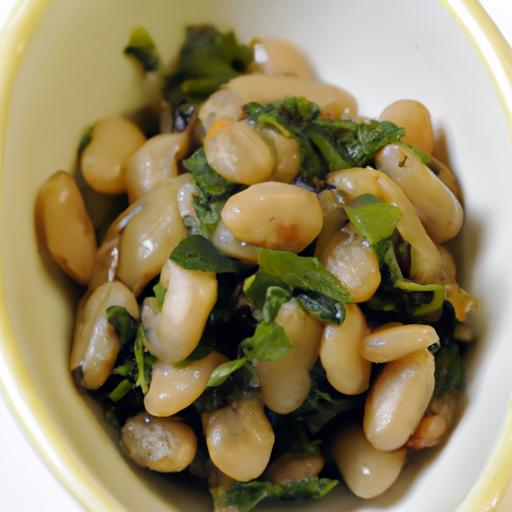
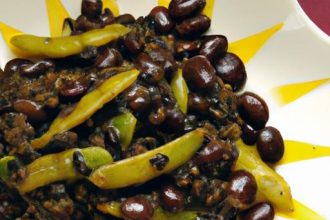
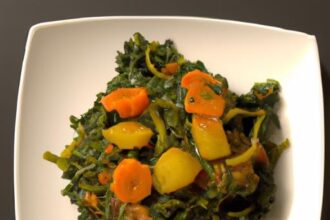
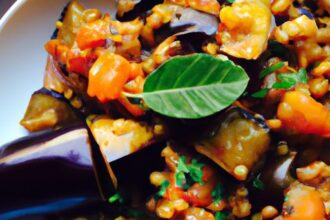
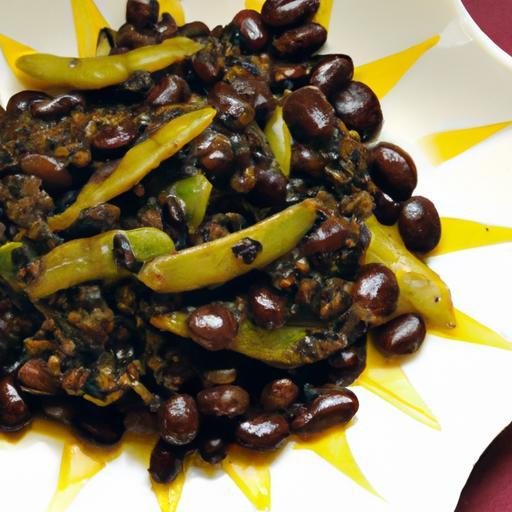
Nestled between the sun-drenched shores of the Mediterranean and the vast expanse of the Sahara, North africa is a treasure trove of vibrant flavors and ancient culinary traditions. Among its many gastronomic gems, the humble fava bean stands out as a staple ingredient that has nourished communities for centuries.From fragrant tagines to zesty salads, fava beans bring a rich, earthy taste and a hearty texture that elevate every dish they touch. In this article, we invite you to embark on a savory journey through North Africa’s bustling markets and colorful kitchens, discovering flavorful fava bean recipes that celebrate the region’s unique blend of history, culture, and flavor. Get ready to savor North Africa-one bean at a time.
Savor North Africa: Delicious Fava Bean Recipes to Try truly invites you on a culinary journey into the heart of vibrant, sun-soaked kitchens where fava beans have been a cornerstone ingredient for centuries. Revered not only for their hearty texture but also for their rich, earthy flavor, these legumes define the depth of North African cuisine from Morocco to Egypt. Imagine the fragrant aroma of cumin and coriander mingling with slow-simmered fava beans, paired with zesty preserved lemons or fresh herbs-every bite is a festivity of tradition and warmth.
Prep and Cook Time
- Preparation Time: 15 minutes
- Cooking Time: 45 minutes
- Total Time: 1 hour
Yield
Serves 4 generous portions
Difficulty Level
Medium – Perfect for home cooks familiar with simmering and flavor layering
Ingredients
- 2 cups dried fava beans, soaked overnight and drained
- 3 tablespoons olive oil, extra virgin recommended
- 1 large onion, finely chopped
- 4 garlic cloves, minced
- 1 teaspoon ground cumin
- 1 teaspoon ground coriander
- ½ teaspoon smoked paprika
- 1 teaspoon turmeric powder
- 1 preserved lemon, pulp removed, rind finely chopped
- 2 cups vegetable broth or water
- Salt and freshly ground black pepper, to taste
- ¼ cup fresh parsley, chopped
- ¼ cup fresh cilantro, chopped
- Optional garnish: toasted pine nuts and a drizzle of extra olive oil
Instructions
- Prepare the fava beans: After soaking overnight, rinse the beans thoroughly under cold water and set aside.
- sauté the aromatics: Heat olive oil in a large heavy-bottomed pot over medium heat. Add chopped onions and cook, stirring occasionally, until soft and golden, about 8 minutes.
- Add garlic and spices: Stir in minced garlic, cumin, coriander, smoked paprika, and turmeric. Sauté until fragrant, about 2 minutes, ensuring the spices do not burn.
- Combine beans and liquids: Add the soaked fava beans,chopped preserved lemon rind,and vegetable broth. Season with salt and pepper to taste.
- Simmer gently: Bring the mixture to a boil, then reduce to low heat. Cover and simmer, stirring occasionally to prevent sticking, until the beans are tender but still hold their shape, approximately 40 minutes.
- Finish with fresh herbs: Stir in fresh parsley and cilantro right before serving to preserve their brightness.
- Garnish and serve: Transfer to a warm serving dish and garnish with toasted pine nuts and an extra drizzle of high-quality olive oil for a luxurious touch.
Tips for Success
- Fresh vs. Dried: If you find fresh fava beans in season, blanch and peel them for a sweeter and creamier version of this recipe.
- Preserved lemon substitution: If unavailable, use a combination of lemon zest and a pinch of salt to mimic the preserved lemon’s tangy depth.
- Make-ahead tip: This dish tastes even better the next day as flavors deepen.Store airtight in the refrigerator for up to 3 days.
- Texture variation: For a creamier texture,mash half the beans gently before serving to create a lovely contrast in mouthfeel.
serving Suggestions
Savor North Africa’s magic by pairing this hearty fava bean dish with warm, fluffy Moroccan couscous or freshly baked flatbreads such as khobz or pita. A crisp salad of cucumber, tomato, and red onion dressed lightly with lemon juice complements the earthy richness beautifully. For an authentic touch, serve alongside a refreshing glass of mint tea or a dry white wine to balance the spice nuances.
| Nutrient | Per Serving |
|---|---|
| calories | 290 kcal |
| Protein | 18 g |
| Carbohydrates | 40 g |
| Fat | 7 g |

For further insight into the cultural meaning and health benefits of fava beans, explore this authoritative Britannica entry on fava beans.
Q&A
Q&A: Savor North Africa – Delicious Fava Bean Recipes to Try
Q1: why are fava beans so popular in North African cuisine?
A1: Fava beans have been a staple in North African kitchens for centuries due to their hearty texture, rich flavor, and remarkable versatility. They thrive in the region’s climate and provide a nutritious, protein-packed foundation for countless conventional dishes, from breakfasts to festive feasts.
Q2: What makes North African fava bean recipes stand out from other global cuisines?
A2: The magic lies in the bold spices, fragrant herbs, and the fusion of textures.North African fava bean dishes frequently enough incorporate cumin, coriander, harissa, and preserved lemons, creating a complex symphony of flavors that is both comforting and exciting.
Q3: Can you suggest a simple fava bean recipe for beginners?
A3: Absolutely! Try “Ful Medames,” a beloved Egyptian breakfast. It’s simply slow-cooked fava beans seasoned with garlic, lemon juice, olive oil, and a sprinkle of fresh parsley. Serve it with warm pita bread for an authentic and easy introduction to north African flavors.
Q4: Are fava beans used differently across North African countries?
A4: Yes! In Morocco, you might find fava beans simmered in a hearty tagine with lamb and aromatic spices; in Tunisia, they appear in spicy stews or mashed into a dip called “Bsisa.” Each country brings its own twist,celebrating fava beans in distinct ways that reflect local culture and ingredients.
Q5: What are some health benefits of incorporating fava beans into my diet?
A5: Fava beans are nutritional powerhouses-rich in fiber, plant-based protein, iron, and B vitamins.Their high fiber content supports digestion and satiety, making them a smart choice for sustaining energy levels, especially when paired with the vibrant spices of North African cooking.
Q6: How can I prepare dried fava beans to use in these traditional dishes?
A6: Start by soaking dried fava beans overnight to soften them. Then boil until tender-this might take about an hour. for dishes needing a creamier texture, you can peel the outer skin after cooking. Canned fava beans are a convenient alternative, though freshly cooked beans add richer flavor and texture.
Q7: What drink or side dish pairs well with fava bean recipes?
A7: Mint tea, sweet and refreshing, is a classic accompaniment that balances the earthiness of fava beans. For sides, think fresh salads with tomatoes, cucumbers, and olives or warm, spiced flatbreads to scoop up every last bite of your dish.
Q8: where can I find authentic north African spices to replicate these dishes at home?
A8: Specialty spice shops, Middle Eastern or Mediterranean markets, and online retailers often carry essential North African staples like ras el hanout, dried preserved lemons, and harissa paste. Investing in these will open the door to a world of authentic flavors in your kitchen.
Q9: What’s the best way to store cooked fava bean dishes?
A9: Fava bean dishes keep well in airtight containers refrigerated for up to 3 days.Many recipes, especially stews and tagines, actually taste better the next day as flavors continue to meld. For longer storage,freeze portions and thaw gently before reheating.
Q10: How can I get creative with fava beans beyond traditional recipes?
A10: Let your culinary creativity run wild! Try fava bean hummus with tahini and garlic, toss them into grain bowls as a nutty protein boost, or incorporate them into veggie burgers for extra texture. The creamy yet earthy notes of fava beans pair wonderfully with a range of global cuisines when you think outside the tagine.
The Way Forward
As the rich aromas of cumin, garlic, and lemon linger in your kitchen, you’ve just embarked on a flavorful journey through North Africa’s culinary heart-one where humble fava beans take center stage. From smoky tagines to zesty salads, these recipes invite you to savor the vibrant heritage and timeless flavors that have nourished communities for generations. So next time you seek something both comforting and exotic, remember the magic tucked inside every fava bean, waiting to transform your meal into a celebration of North African tradition. Happy cooking, and may your palate continue to explore the delicious stories these beans have to tell.