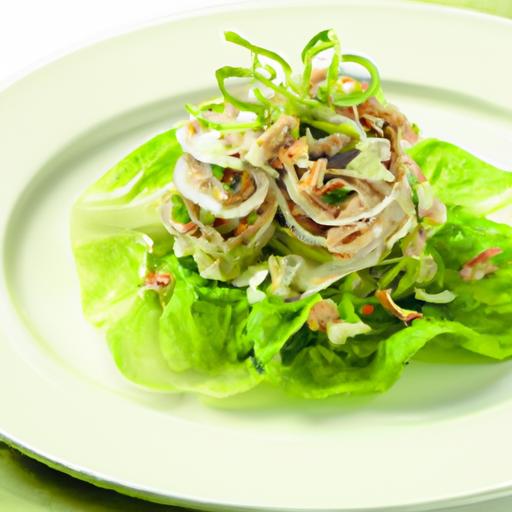

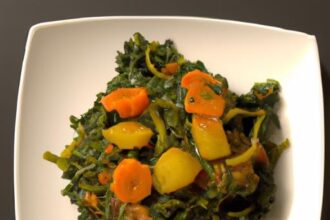
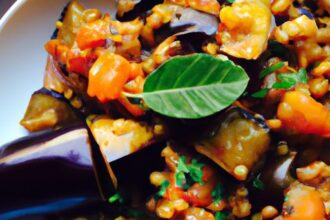

In the heart of culinary tradition, French cuisine is frequently enough celebrated for its rich sauces, decadent pastries, and indulgent flavors. Yet beyond the allure of buttery croissants and creamy crème brûlée lies a vibrant, healthful dimension that embodies the art of savoring wellness. “Savoring Wellness: The Art of Healthy French Cuisine” invites you on a journey too rediscover French cooking-not as an indulgence to be avoided, but as a way to nourish the body and delight the senses. From fresh, seasonal vegetables to fragrant herbs and carefully curated ingredients, French cuisine offers a timeless blueprint for wholesome eating that balances pleasure and vitality.Join us as we explore how the elegance of French gastronomy can inspire a lifestyle where health and taste gracefully intertwine.
Savoring Wellness: The Art of Healthy French cuisine shines brightest when you embrace the beauty of fresh, vibrant ingredients and master gentle cooking methods that highlight nutrition without compromising flavor. This recipe, inspired by classic Provençal traditions, embodies that ideology by pairing crisp garden vegetables with tender chicken, lightly poached in fragrant herbs and olive oil. The lightness of the technique preserves the natural textures and vital nutrients, creating a dish that feels indulgent yet wholesome.
prep and Cook Time
- Readiness Time: 20 minutes
- Cooking Time: 25 minutes
- Total Time: 45 minutes
Yield
- Serves 4 generous portions
difficulty Level
- Medium – Perfect for cooks comfortable with layering flavors and light poaching
Ingredients
- 4 boneless, skinless chicken breasts (about 6 oz each)
- 2 cups cherry tomatoes, halved
- 1 medium zucchini, sliced into ¼-inch rounds
- 1 small fennel bulb, thinly sliced
- 3 garlic cloves, minced
- 1 lemon, zest and juice
- 2 tbsp extra virgin olive oil
- 1 cup low-sodium vegetable broth
- Fresh herbs: 2 tbsp chopped tarragon, 1 tbsp fresh thyme leaves
- Sea salt and freshly ground black pepper, to taste
- Microgreens or fresh parsley, for garnish
Instructions
- Prepare the chicken: Pat the chicken breasts dry and season generously with sea salt and pepper on both sides. Zest the lemon and sprinkle zest evenly over the chicken.
- heat the olive oil: In a large sauté pan over medium heat, warm the olive oil until shimmering but not smoking.
- Sear the chicken: Add the chicken breasts, cooking until golden brown on each side, about 3-4 minutes per side. Remove and set aside on a plate.
- Sauté the vegetables: Add the fennel,garlic,zucchini,and tomatoes to the pan. Cook gently, stirring occasionally, until vegetables start to soften but remain vibrant, about 5 minutes.
- Deglaze and poach: Pour in the vegetable broth and lemon juice, scraping the pan to lift any browned bits. Return the chicken to the pan, nestling it among the vegetables and liquid.
- Simmer gently: Reduce heat to low, cover, and cook until the chicken is cooked through and tender, about 10-12 minutes. Add fresh thyme and half of the tarragon during the last 3 minutes of cooking.
- Rest and finish: Remove the chicken to a warm plate. Increase heat to medium-high and reduce the cooking liquid slightly to concentrate flavors, about 2-3 minutes. Adjust seasoning with salt and pepper. Pour sauce and vegetables over the chicken.
- Garnish and serve: Sprinkle the remaining chopped tarragon and microgreens or parsley on top for a fresh, colorful finish.
Tips for Success
- Use organic, seasonal vegetables when possible to maximize freshness and nutrient content.
- To keep the chicken moist, avoid overcooking; a fast sear plus gentle simmer locks in juiciness.
- Substitute chicken with firm white fish like cod or halibut for pescatarian variations-adjust the poaching time accordingly (6-8 minutes).
- Prepare the vegetable medley in advance and refrigerate in an airtight container; gently reheat and add fresh herbs just before serving.
- Experiment with herb combinations-marjoram, rosemary, or basil work beautifully to customize seasonal flavors.
Serving Suggestions
Present this dish on a crisp white plate to highlight the vibrancy of the cherry tomatoes and fresh herbs. Pair it with a side of classic ratatouille or a light quinoa salad tossed with lemon and olive oil for a complete, balanced meal. For a touch of refinement,drizzle high-quality cold-pressed olive oil just before serving.
This light, nourishing meal pairs splendidly with a chilled glass of Sauvignon Blanc from the Loire Valley, whose crisp acidity complements the citrus and herbal notes, enhancing both wine and wellness on your plate.
| Nutrition | Per Serving |
|---|---|
| Calories | 320 |
| Protein | 38g |
| Carbohydrates | 10g |
| Fat | 12g |

Q&A
Q&A: savoring Wellness – The Art of Healthy French Cuisine
Q1: What does “healthy French cuisine” really mean?
A: When most people think of French food, they imagine buttery croissants, rich sauces, and decadent desserts. But healthy French cuisine is about much more than indulgence-it’s a party of fresh, seasonal ingredients, balanced flavors, and mindful preparation.This approach honors traditional techniques while embracing wellness, resulting in dishes that nurture both body and soul.
Q2: How does French cooking balance flavor and nutrition?
A: French chefs have mastered the art of layering flavors without relying on excess fat or salt. Techniques like slow braising, steaming, and roasting intensify natural tastes. Herbs, aromatics, and a splash of wine add complexity, so each bite is vibrant. The key is quality over quantity-using fewer, better ingredients to create satisfying meals that also support well-being.
Q3: Are there specific French ingredients known for their health benefits?
A: Absolutely! Olive oil from the south of France is rich in heart-healthy monounsaturated fats. fresh herbs like thyme, rosemary, and tarragon provide antioxidants and elevate dishes naturally.lentils, wild mushrooms, and seasonal vegetables form the backbone of many classic recipes, offering fiber, vitamins, and minerals that promote vitality.
Q4: Can traditional French desserts be part of a healthy diet?
A: Yes-they can! The French approach to dessert often emphasizes quality, portion control, and the delight of savoring each bite. Instead of sugar overloads, many desserts highlight fresh fruits, nuts, and just a hint of sweetness, striking a harmonious balance that satisfies cravings without compromising wellness.
Q5: How does the French lifestyle complement healthy eating?
A: Eating in France is more than nourishment-it’s a ritual of connection and mindfulness. Meals are savored slowly,often shared with friends or family,encouraging better digestion and greater appreciation of food. This cultural reverence for mealtime fosters a healthier relationship with eating, blending pleasure and wellness seamlessly.
Q6: What’s a simple way to start incorporating healthy French cuisine into daily life?
A: Begin by choosing fresh, seasonal produce and experimenting with classic French techniques like poaching or roasting instead of frying.Embrace herbs for flavor and explore recipes like ratatouille, salade niçoise, or soupe au pistou, which highlight nutrient-rich vegetables. And most importantly,slow down-eat with intention and joy.
Concluding Remarks
As we conclude our journey through the vibrant tapestry of healthy French cuisine,it becomes clear that savoring wellness is not merely about the ingredients on your plate-it’s about embracing a lifestyle where nourishment and pleasure walk hand in hand.From crisp garden vegetables kissed by the Mediterranean sun to the delicate herbs that elevate a dish from simple to sublime, French cooking teaches us that health and indulgence are not opposing forces but harmonious partners. By weaving tradition with mindful choices, each meal transforms into an artful celebration of vitality and taste. So, the next time you gather around a table laden with colorful, wholesome fare, remember: to savor wellness is to honour both your body and your soul, one delicious bite at a time.