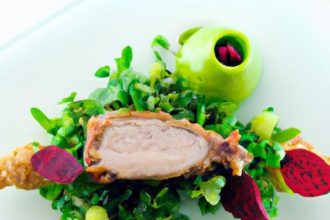
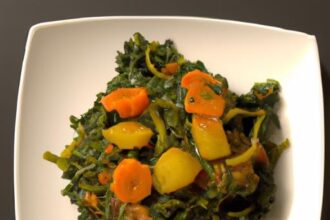
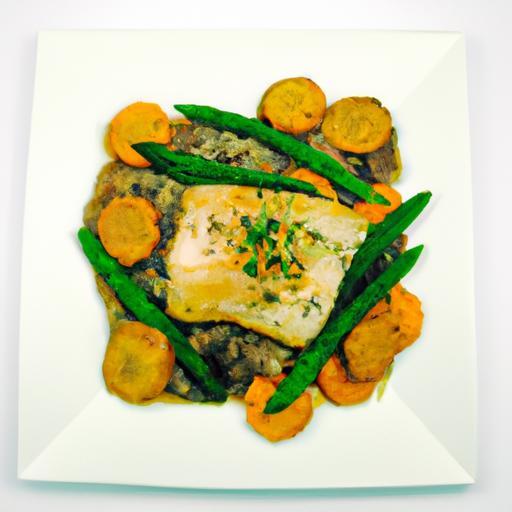
In the heart of Europe’s bustling markets and charming eateries lies a treasure trove of culinary delights that fuel the body and satisfy the soul-high-protein dishes bursting with flavor and tradition. From hearty German sausages to Mediterranean seafood feasts, power-packed plates across the continent showcase how diverse cultures have mastered the art of combining nourishment with taste. This journey through Europe’s protein-rich creations not only reveals the secrets behind their energy-boosting powers but also invites you to savor the stories and ingredients that make these meals truly unforgettable. Weather you’re a fitness enthusiast or a curious foodie,get ready to explore the continent’s most satisfying high-protein eats that prove health and indulgence can effortlessly go hand in hand.
Power-Packed Plates from Europe’s diverse culinary heritage unlock some of the most satisfying and nourishing dishes. Let’s dive into an unforgettable recipe that marries the rich, savory flavors of northern Europe’s carnivore staples with the vibrant vegetarian protein powerhouse of Central Europe.This recipe, inspired by conventional meat and dairy-forward dishes along with legume-filled meals, perfectly embodies the essence of muscle-fueling nutrition with bold European character.
Prep and Cook Time
- Planning: 20 minutes
- Cooking: 35 minutes
- Total Time: 55 minutes
yield
Serves 4 hearty portions
Difficulty Level
Medium – perfect for home cooks looking to elevate their weeknight meals
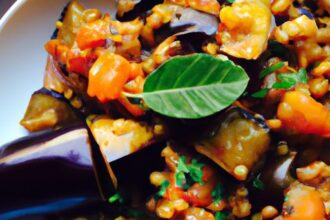
Rustic Nordic Meat & legume Bake with Central European Cheese crust
- 400g pork shoulder, diced (or substitute with lamb for a richer taste)
- 1 cup dried green lentils, rinsed and soaked for 30 minutes
- 1 large onion, finely chopped
- 3 garlic cloves, minced
- 2 tbsp olive oil
- 150g smoked cheese, grated (e.g., Rauchkäse or aged Gouda)
- 1 large carrot, peeled and diced
- 2 celery stalks, chopped
- 1 bay leaf
- 2 cups low-sodium vegetable broth
- Salt and freshly ground black pepper to taste
- fresh thyme sprigs for garnish
- 1 tbsp Dijon mustard
Instructions
- Preheat the oven to 180°C (356°F). Lightly grease a medium baking dish with olive oil.
- In a heavy skillet, heat 1 tbsp olive oil over medium heat.Add the diced pork shoulder and sauté until golden brown, about 7-8 minutes, stirring occasionally to ensure even color. Remove and set aside.
- In the same skillet, add the remaining olive oil. toss in the chopped onion, garlic, carrot, and celery. Sauté for 5 minutes until softened and fragrant.
- Add the rinsed lentils and bay leaf to the skillet.Pour in the vegetable broth and bring to a simmer. Cover and cook for 20 minutes, stirring occasionally to prevent sticking.
- Remove the bay leaf and fold the browned pork shoulder back into the lentil mixture. Stir in the Dijon mustard, salt, and black pepper. Adjust seasoning according to taste.
- Transfer the mixture into the prepared baking dish. Sprinkle the grated smoked cheese evenly over the top.
- Bake in the oven for 15 minutes, or until the cheese is bubbly and golden brown, forming a flavorful crust.
- Once done, remove from the oven and let it rest for 5 minutes before serving.
Tips for success
- Soaking lentils cuts down cooking time and improves digestibility.
- For a vegetarian version, swap the pork with smoked tempeh or mushrooms and use vegetable broth.
- If you prefer sharper flavors, try topping the dish with aged Parmesan or a mix of smoked cheeses.
- Make this recipe ahead by preparing the lentil mixture a day prior; just add the cheese topping and bake before serving.
- Leftovers keep well and taste even better as flavors meld overnight.
Serving Suggestions
Serve this hearty dish with a crisp side salad of arugula dressed in lemon vinaigrette for a fresh contrast. Garnish with fresh thyme sprigs to enhance its earthy aroma. A slice of rustic rye bread or traditional Nordic crispbread alongside will soak up the savory juices beautifully, completing this power-packed European meal.

| Nutritional Info | Per Serving |
|---|---|
| Calories | 480 kcal |
| Protein | 38g |
| Carbohydrates | 30g |
| Fat | 18g |
For a deeper dive into European high-protein dishes, explore our Mediterranean Power Protein Recipes. For scientific insights into protein’s role in muscle fueling, visit NCBI’s protein study.
Q&A
Q&A: Power-Packed Plates – Exploring High-Protein european eats
Q1: What inspired the focus on high-protein dishes across Europe?
A1: europe’s culinary tapestry is wonderfully diverse, yet what unites many traditional dishes is their hearty protein content. From the rustic stews of the Balkans to the elegant seafood platters of the Mediterranean, high-protein dishes have long fueled hardworking communities. Exploring these power-packed plates reveals how Europe celebrates strength, stamina, and flavor all on one plate.
Q2: which European countries are known for their protein-rich culinary specialties?
A2: Italy boasts protein gems like osso buco and freshly grated Parmigiano-reggiano cheese. Spain offers the famous jamón ibérico, packed with rich protein and healthy fats. Scandinavian countries highlight fatty fish such as salmon and herring, while Eastern Europe showcases robust meat-filled pierogis and goulash. Each region brings its own flavorful spin on protein-centric foods.
Q3: Can you give examples of some standout high-protein dishes from Europe?
A3: Absolutely! Consider France’s coq au vin,a slow-cooked chicken stew brimming with protein and flavor. Poland’s bigos, a savory hunter’s stew, combines sauerkraut, meats, and spices for a protein punch. Portugal’s grilled sardines deliver omega-3s alongside their protein content. These dishes not only nourish but tell stories of history and culture.
Q4: How do traditional European cooking methods enhance protein content and digestibility?
A4: Slow braising, fermenting, and curing are time-honored techniques that deepen flavor and, frequently enough, protein bioavailability. As an example,curing Spanish jamón intensifies taste and preserves it without compromising the meat’s nutritional benefits. Fermented foods like German sauerkraut pair well with meats, aiding digestion and providing complementary nutrients.
Q5: Are these high-protein European eats suitable for modern dietary preferences?
A5: Definitely! Many traditional dishes are naturally gluten-free or adaptable to vegetarian and pescatarian diets by substituting key ingredients. Plus, the emphasis on whole foods-meat, fish, legumes, dairy-aligns perfectly with today’s clean-eating trends. They strike a balance between indulgence and nourishment, making them ideal for health-conscious food adventurers.
Q6: How can someone incorporate these european protein powerhouses into their daily meal rotation?
A6: Start simple-try grilled sardines with a fresh salad, or whip up a batch of Italian lentil soup with pancetta. Experiment with slow-cooked stews on weekends or introduce cured meats like Spanish chorizo in tapas-style dinners. These dishes are not only flavorful but also versatile, fitting seamlessly into both swift lunches and leisurely dinners.
Q7: Where can someone learn more about authentic high-protein European recipes?
A7: Dive into cookbooks dedicated to regional European cuisines, many authored by native chefs who emphasize tradition and nutrition. Food blogs, cooking classes, and cultural festivals offer immersive experiences and recipes. Museums and heritage sites frequently enough share engaging stories behind these dishes,enriching your culinary journey beyond just the plate.
Exploring Europe’s high-protein culinary treasures is more than a culinary quest-it’s a celebration of heritage, health, and hearty flavors. Whether you’re a seasoned foodie or a curious cook, these power-packed plates invite you to savor strength from every bite.
Future Outlook
As our culinary journey through Europe’s protein-rich plates comes to a close, it’s clear that each region offers more than just flavor-it serves a story of tradition, nutrition, and innovation on every forkful. From the hearty grilled meats of the Mediterranean to the savory legume stews of Eastern Europe, these dishes are not only power-packed but also deeply rooted in culture. whether you’re fueling an active lifestyle or simply seeking delicious ways to boost your protein intake, exploring these European eats invites you to savor nutrition with every bite. So next time you plan a meal, let these high-protein treasures inspire your plate-and your palate-to embrace the best of what Europe has to offer.