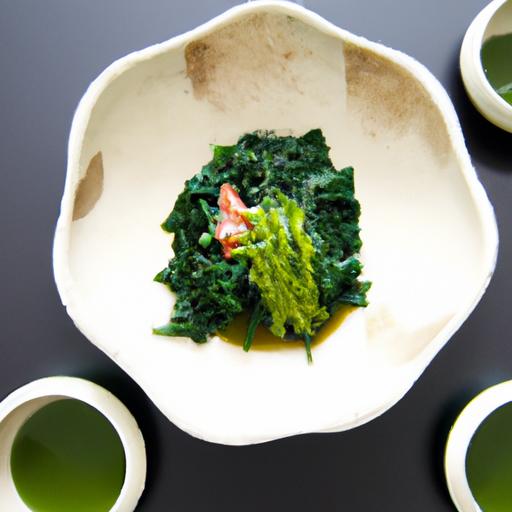
In the colorful tapestry of Korean cuisine, a humble yet vibrant tradition often steals the spotlight-namul, an array of seasoned vegetable side dishes that bring both flavour and balance to the table. From crisp fernbrake to tender spinach, these verdant accompaniments embody the essence of Korea’s agricultural heritage and culinary artistry. “Namul Unveiled: Exploring Korea’s Vibrant Vegetable Sides” invites you on a sensory journey through the gardens and kitchens of Korea, where simple greens are transformed into culinary gems.Beyond their fresh, earthy taste lies a story of culture, health, and history waiting to be discovered wiht every bite. Join us as we delve into the art, variety, and significance of namul, celebrating the vibrant soul of Korea’s vegetable sides.
Namul, a cornerstone of Korean cuisine, captivates with its vibrant colors, fresh textures, and nuanced flavors that celebrate the bounty of nature. These seasoned vegetable dishes not only enliven the Korean dining table but also carry centuries of tradition, reflecting Korea’s deep connection to seasonal ingredients and balanced nutrition. From wild mountain greens to everyday bean sprouts,each variety of namul offers a unique sensory experience,inviting cooks at all levels to explore its simple yet profound culinary artistry.
Prep and Cook Time
- Preparation: 15 minutes
- Cooking: 10 minutes
- Total Time: 25 minutes
Yield
Serves 4 as a side dish
Difficulty Level
Easy
Diving Into the Diverse Flavors and Ingredients of Namul
understanding the essence of namul begins with recognizing its diverse palette of ingredients-spinach, fernbrake, radish greens, bean sprouts, and more. Each vegetable is gently blanched or steamed to preserve crispness and nutrients before being seasoned. The seasoning mix serves as the heart of namul, frequently enough composed of toasted sesame oil, garlic, soy sauce, salt, and roasted sesame seeds. This combination highlights the balance of earthy, nutty, and savory tastes essential to Korean flavor profiles, while also showcasing regional variations and seasonal adjustments.
Ingredients
- 200g fresh spinach,rinsed and trimmed
- 1/2 teaspoon salt
- 1 clove garlic,minced
- 1 tablespoon toasted sesame oil
- 1 teaspoon soy sauce
- 1 tablespoon roasted sesame seeds
- Optional: 1 green onion,finely sliced for garnish
- Optional: A pinch of red chili flakes for subtle heat
Instructions
- Blanch the Spinach: Bring a large pot of water to a boil. Add the spinach and blanch for 30 seconds until vibrant and slightly wilted. Immediately transfer to an ice bath to stop cooking and preserve color.
- Drain and Squeeze: Drain the spinach thoroughly. Using your hands, gently squeeze out excess water, being careful not to bruise the leaves.
- Season the Spinach: Transfer the spinach to a mixing bowl. Add salt, minced garlic, toasted sesame oil, and soy sauce. Toss gently to distribute the flavors evenly.
- Add Toasted Sesame Seeds: sprinkle roasted sesame seeds over the spinach and stir lightly. These add a delightful nutty aroma and subtle crunch.
- Garnish and serve: optionally, garnish with finely sliced green onion and a pinch of red chili flakes for color and a hint of spice. serve at room temperature or slightly chilled.
Tips for Success
- Be sure to cool the spinach quickly in an ice bath after blanching to retain its vibrant green color and crisp texture.
- if you prefer a deeper umami note, swap soy sauce for a sprinkle of doenjang (fermented soybean paste).
- Use high-quality toasted sesame oil as it dramatically enhances aroma and flavor.
- Namul can be made ahead and stored in an airtight container in the fridge for up to 2 days without losing its freshness.
- Experiment with different vegetables like bracken or bean sprouts to create a beautiful medley plate.
Pairing Namul with Korean Meals for a Balanced Culinary Experience
Namul is a perfect complement to Korean meals, offering balance to rich and hearty dishes like bulgogi or spicy stews.It provides freshness, texture contrast, and nutritional harmony when served alongside rice and fermented sides like kimchi. For an authentic spread, arrange several varieties of namul on a platter to showcase a spectrum of flavors and colors, transforming your table into a true Korean feast.
Serving Suggestions
- Plate namul in small, individual bowls or artfully mound portions on a communal platter for visual appeal.
- Sprinkle extra toasted sesame seeds and finely sliced scallions just before serving for vibrant presentation.
- Serve alongside bulgogi and steamed white rice for a harmonious meal.
- Include a small drizzle of sesame oil or a wedge of lemon on the side for those who enjoy an extra burst of flavor.

| Nutrient | Per Serving |
|---|---|
| Calories | 40 kcal |
| Protein | 3 g |
| Carbohydrates | 6 g |
| Fat | 2.5 g |
Q&A
Q&A: Namul Unveiled – Exploring Korea’s Vibrant Vegetable Sides
Q1: What exactly is Namul?
A1: Namul refers to a diverse array of Korean vegetable side dishes, typically seasoned and lightly cooked or blanched. its a cornerstone of Korean cuisine, celebrated for its fresh, vibrant flavors and beautiful colors that complement hearty meals. Think of namul as the edible palette that balances and enlivens the dining experience.
Q2: Why is Namul so important in Korean food culture?
A2: namul embodies Korea’s deep respect for nature’s bounty. These vegetable sides highlight seasonal ingredients and nutritional diversity, offering not just taste but health benefits. More than just a side dish, namul reflects harmony-between ingredients, flavors, and the Korean ethos of balance in food.
Q3: What kinds of vegetables are commonly used in Namul?
A3: The spectrum is wide and creative! From fernbrake (gosari), spinach (sigeumchi), and bean sprouts (kongnamul), to bellflowers (doraji) and radish greens, each vegetable brings unique textures and flavors. Some dishes feature wild greens gathered in spring, while others use everyday produce, dressed with sesame oil, garlic, and soy sauce.
Q4: How are Namul dishes typically prepared and seasoned?
A4: Preparation often involves blanching or steaming vegetables to preserve their texture and color, then seasoning with a simple but flavorful mix-usually sesame oil, garlic, salt or soy sauce, and toasted sesame seeds. the magic lies in subtlety; the goal is to enhance rather than overpower the natural taste of the greens.
Q5: Can you describe the role of Namul in a Korean meal?
A5: Namul is more than just a side dish-it’s a vibrant chorus in Korea’s culinary orchestra. Served alongside rice,soup,and proteins,these vegetable sides provide contrast in texture and freshness. They help create a balanced, nutritious meal, stimulating the palate and complementing stronger flavors with their delicate crunch and earthy notes.Q6: Are there regional or seasonal variations in Namul?
A6: Absolutely! Korea’s varied landscape and distinct seasons shape namul variety. Mountainous regions might favor wild greens and ferns, while coastal areas incorporate seaweed-based namul. Spring heralds fresh wild greens, summer offers fresh vegetables like green beans, and autumn features root vegetables and dried herbs, showcasing nature’s cycle on the plate.
Q7: How can someone new to Korean cuisine enjoy Namul at home?
A7: Start simply! Try making spinach namul-blanch spinach, season with minced garlic, sesame oil, soy sauce, and a sprinkle of toasted sesame seeds. It’s swift, nutritious, and a gateway to exploring more complex varieties. Namul’s beauty is its accessibility; it invites curiosity and creativity with whatever fresh greens you can find.
Q8: Is Namul suitable for special diets?
A8: Most definitely. Namul dishes are naturally plant-based, making them excellent for vegetarians and vegans.their low-calorie, nutrient-rich profiles also appeal to those seeking wholesome, detoxifying foods. Just watch the saltiness of seasonings if you’re on a low-sodium diet!
Q9: What’s the cultural significance behind the art of making Namul?
A9: Preparing namul is frequently enough a mindful, almost meditative practise-chopping, blanching, and seasoning with care. It is indeed tied to traditional celebrations,harvest times,and ancestral rites (jesa),where namul dishes honour nature and heritage. Through namul, Korean cooks express gratitude and connection to the land.
Q10: Where can curious food lovers experience authentic Namul dishes?
A10: Look for traditional Korean restaurants (hanjeongsik or bibimbap spots) where namul is served as part of a multitude of banchan (side dishes). Korean markets and festivals also showcase seasonal namul varieties. Or else, adventurous eaters can explore Korean cooking classes or home recipes to truly dive into this vibrant vegetable world.
Namul is more than a garnish-it’s a colorful celebration of Korea’s rich natural landscape and culinary wisdom. Each bite offers a story of earth, season, and tradition, inviting you to rediscover vegetables in a fresh, flavorful light.
The Conclusion
As we close the chapter on our journey through the vibrant world of namul, it becomes clear that these humble vegetable sides are much more than mere accompaniments-they are a colorful expression of Korea’s rich culinary heritage and a testament to the ingenuity of simple, seasonal ingredients.Whether blanched, seasoned, or stir-fried, each namul variety carries a story, a tradition, and a burst of flavor that adds depth and balance to every meal. So next time you savor a Korean feast, take a moment to appreciate these delightful vegetable jewels, lovingly crafted and steeped in history-reminding us that sometiems, the smallest dishes hold the most vibrant tales.