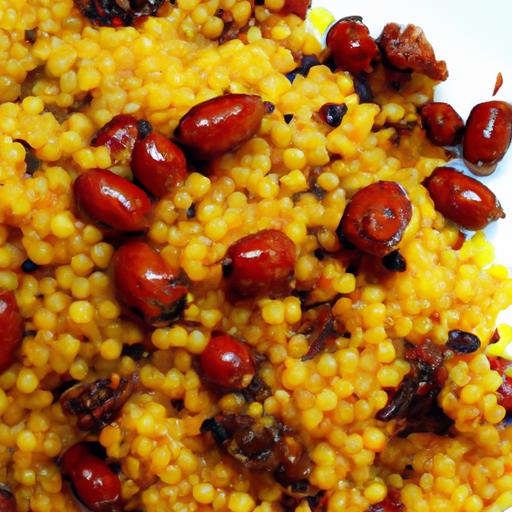
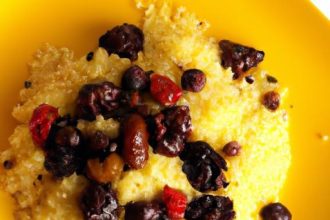
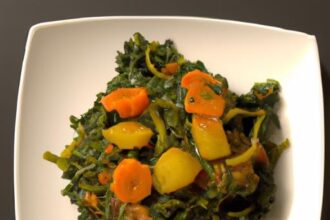
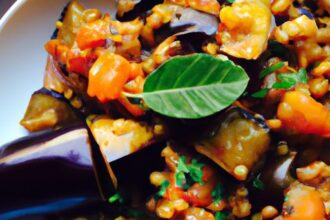
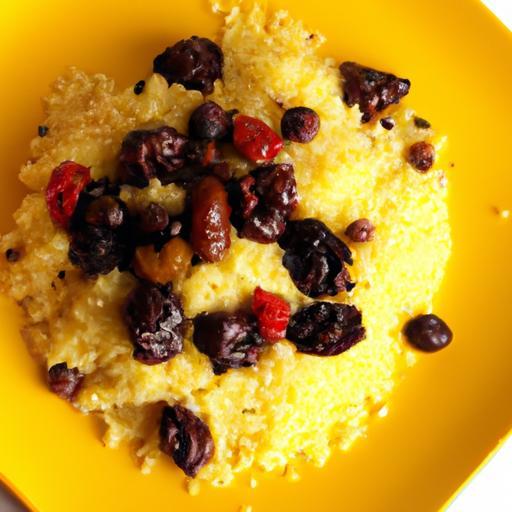
In the vibrant tapestry of West African cuisine, Gambian Cherreh stands out as a hidden gem waiting to be discovered.This delightful dish, centered around millet couscous, offers not just a meal but a cultural experience steeped in tradition and flavor. As the golden grains of millet gently steam to perfection,they carry whispers of ancient culinary practices and the warmth of communal gatherings. join us on a sensory journey to explore gambian Cherreh-where humble ingredients transform into a party of taste, texture, and heritage.Whether you’re a seasoned foodie or a curious newcomer, this dish promises to enchant your palate and broaden your culinary horizons.
Gambian cherreh offers a unique gateway into the rich tapestry of West African cuisine, where millet couscous takes center stage as a cherished staple.This dish, deeply rooted in Gambian culinary traditions, invites you to explore the subtle nutty flavor and delightful texture that millet couscous brings to the table. More than just a meal,Gambian Cherreh encapsulates generations of culture,making every bite a celebration of history and home.
Prep and Cook Time
- Preparation: 20 minutes
- Cooking: 25 minutes
- Total Time: 45 minutes
Yield
Serves 4 to 6 people
Difficulty Level
Medium – mastering the texture of millet couscous requires some attention,but the process is rewarding and approachable.
Ingredients
- 2 cups millet couscous (pre-steamed or fine-grain)
- 1 ½ cups boiling water
- 2 tablespoons natural peanut oil or vegetable oil
- 1 teaspoon salt
- 1 small onion, finely chopped
- 1 teaspoon smoked paprika
- 1 teaspoon ground coriander
- 2 tablespoons fresh parsley, chopped
- Optional: 1 fresh chili, finely chopped (for a mild heat)
Instructions
- Prepare the millet couscous: Place the millet couscous in a large heatproof bowl. Pour the boiling water over the couscous, stirring briefly to combine. Cover tightly with a lid or cling film and let it steam for 10 minutes. This gentle steaming hydrates the grains perfectly, creating light, fluffy texture.
- Fluff and season: After steaming, use a fork to fluff the couscous gently, separating any clumps with care to avoid crushing the millet grains. Sprinkle in the salt and set aside.
- Sauté aromatics: Heat peanut oil in a large skillet over medium heat. Add the finely chopped onion and sauté until obvious and beginning to caramelize-approximately 5 minutes. Stir occasionally to prevent sticking and achieve that sweet, golden hue.
- Add spices: Stir in smoked paprika, ground coriander, and optional chili. Allow spices to bloom for 1 to 2 minutes, infusing the oil with their warm fragrance.
- Combine millet couscous and aromatics: Add the fluffed couscous to the skillet, gently folding it with the sautéed onion and spices. Cook for an additional 5 minutes, allowing the flavors to meld while keeping the grains separate.
- Finish with fresh herbs: Remove from heat and stir in the chopped parsley to brighten the dish with fresh, grassy notes.
- Rest before serving: Let the Gambian Cherreh sit covered off the heat for 5 minutes. This rest period allows the couscous to absorb the nuances of flavor and lock in moisture.
ChefS Notes
- For an authentic touch, consider steaming the millet couscous in a conventional Gambian cherreh (steaming basket) if available.
- If you can’t find millet couscous, substitute with fine-grain millet flour but adjust water quantity to achieve the right fluffy texture.
- To add depth, toss in toasted ground peanuts towards the end-an homage to Gambian peanut-rich sauces.
- Prepare the millet couscous up to a day ahead; store covered in the refrigerator and reheat gently with a splash of water to revive its softness.
Serving Suggestions
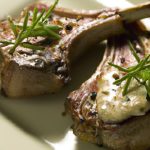
Traditionally, gambian Cherreh is served alongside savory sauces such as spicy tomato stew or groundnut sauce (peanut gravy). Complement the dish with tender,slow-cooked lamb or succulent fish for an authentic experience. Garnish with sprigs of fresh parsley or a wedge of lime to add vibrant color and a zesty contrast. For texture contrast, sprinkle toasted sliced almonds or crushed roasted peanuts on top to enhance the nutty undertones of the millet couscous.

| Nutrient | per Serving (approx.) |
|---|---|
| calories | 220 kcal |
| Protein | 6 g |
| Carbohydrates | 38 g |
| Fat | 5 g |
Discover More
Intrigued by the diverse flavors of West African cuisine? Explore our Traditional Gambian Groundnut Soup for another hearty and comforting experience.
For additional cultural insights and nutritional information regarding millet couscous, visit Encyclopaedia Britannica’s millet overview.
Q&A
Q&A: Gambian Cherreh – Discover the Delight of Millet Couscous
Q: What exactly is Gambian Cherreh?
A: Gambian Cherreh is a traditional West African dish made from millet couscous. it’s a staple in Gambian cuisine, celebrated for its nutty flavor and fluffy texture. Unlike the more commonly known wheat-based couscous, Cherreh showcases the versatility of millet-a tiny, ancient grain packed with nutrients and cultural heritage.
Q: How is Cherreh different from othre types of couscous?
A: While couscous is generally made from semolina wheat, Cherreh uses millet, which brings a distinctive earthy aroma and a slightly chewier bite. This difference not only changes the taste but also makes Cherreh naturally gluten-free and more digestible for many people.
Q: What does Cherreh typically taste like?
A: Imagine a subtle, nutty canvas that invites you to savor every aroma around it. cherreh itself is delicately flavored-light yet rich in character-making it the perfect accompaniment to spicy stews, grilled meats, or vibrant vegetable medleys.
Q: How is Gambian Cherreh traditionally prepared?
A: The preparation begins with clean millet grains, which are steamed and lightly fluffed to create the couscous texture. Often, the millet is rinsed and dried before processing. The cooking process is gentle, preserving the grain’s integrity and flavor. It’s usually served warm, sometimes garnished with fresh herbs, or paired with hearty sauces native to Gambian kitchens.
Q: Why is millet an important grain in Gambian culture?
A: Millet has been a dietary cornerstone in the Gambia for centuries. It thrives in the region’s climate, is drought-resistant, and yields vital nourishment. Beyond sustenance, millet carries cultural meaning-used in ceremonies, festivals, and daily communal meals, symbolizing resilience and tradition.
Q: Can Cherreh be adapted for modern cooking styles?
A: Absolutely! While rooted in tradition, Cherreh’s simplicity invites culinary creativity. It can be served cold as a grain salad with zesty dressings, incorporated into bowls with roasted vegetables, or even flavored with exotic spices for a contemporary twist. Its gluten-free profile also makes it a trendy choice among health-conscious food lovers.
Q: Where can I try authentic Gambian Cherreh outside of The Gambia?
A: Authentic Cherreh can be found in select West african restaurants worldwide, especially where Gambian communities thrive. Alternatively, adventurous home cooks can source millet grains from health food stores or online and follow traditional recipes to bring a taste of The Gambia to their own kitchen.
Q: What health benefits does Cherreh offer?
A: Millet is a nutritional powerhouse-rich in fiber, essential minerals like magnesium and phosphorus, and antioxidants. Eating Cherreh can support digestion, improve heart health, and provide a steady source of energy. Plus, it’s naturally gluten-free, making it suitable for those with gluten sensitivities.
Q: Any tips for cooking perfect Cherreh at home?
A: Patience is key! rinse the millet thoroughly and allow it to dry before steaming or fluffing it gently with a fork to avoid clumping. Avoid overcooking, as millet can become mushy. Incorporate a light drizzle of oil or a pat of butter post-cooking to enhance its natural nutty flavor.
discovering Gambian Cherreh is not just about tasting a grain; it’s an invitation to connect with a vibrant culture, nourish your body, and delight your palate with a humble yet exquisite dish. Happy cooking!
To Conclude
As we’ve explored the rich tradition and wholesome flavors of Gambian Cherreh, it’s clear that millet couscous is much more than just a humble grain-it’s a vibrant thread woven into the tapestry of Gambian culture and cuisine. Whether served at festive gatherings or simple family meals, Cherreh invites us to savor not only its delightful texture and subtle nuttiness but also the stories and heritage it carries. Embracing millet couscous is a tasty way to connect with a time-honored culinary legacy, reminding us that sometimes, the simplest ingredients can unlock the most profound delights. So next time you seek a nourishing adventure for your taste buds, let Gambian Cherreh be your guide to discovering the heart and soul of West African flavor.