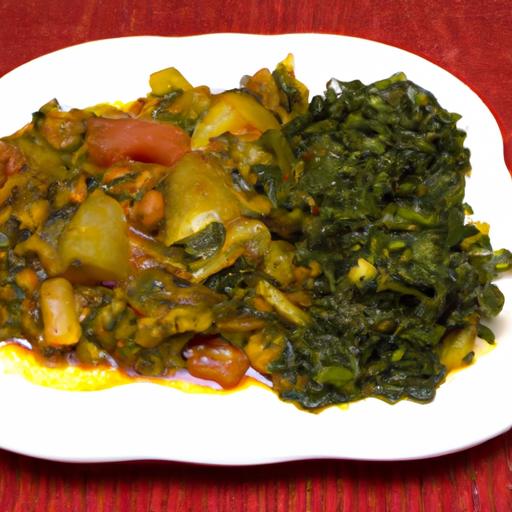
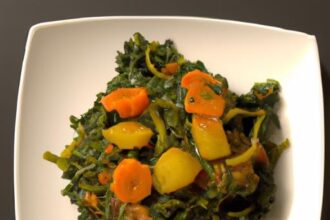
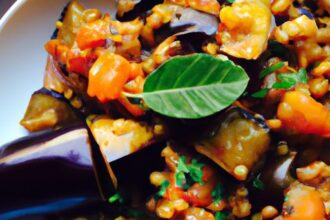
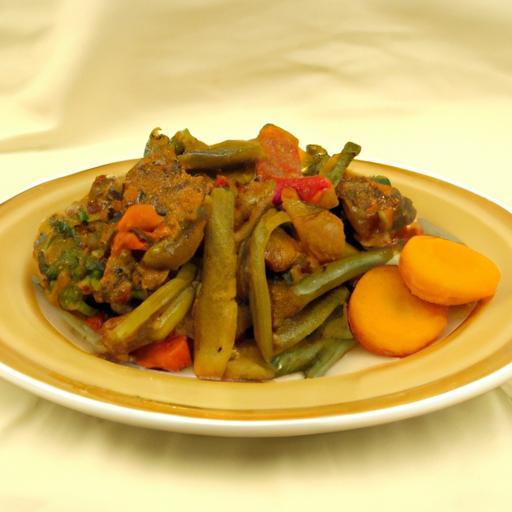
in the heart of East Africa lies a vibrant tapestry of flavors, woven together by centuries of tradition, diverse cultures, and the bounties of the land. From the sun-kissed hills of Ethiopia to the lush coastlines of Kenya and the spice-laden markets of tanzania, the region offers a culinary journey that is both deeply satisfying and remarkably wholesome.”Nourishing Flavors: Healthy East African Recipes to Savor” invites you to explore this rich heritage through dishes that celebrate natural ingredients, balanced nutrition, and bold, aromatic spices. Whether you’re a curious foodie or a health-conscious home cook,thes recipes not only tantalize your taste buds but also nourish your body and soul,proving that wholesome eating can be as flavorful as it is fulfilling.
Nourishing Flavors: Healthy East African Recipes to Savor
Nourishing flavors from East Africa draw you into a vibrant world of spices, wholesome ingredients, and hearty traditions that celebrate both health and heritage. One dish that captures the essence of this cuisine is Misir Wot, a spicy lentil stew rooted in Ethiopian culture, cherished for its rich taste and nourishing benefits. This recipe invites you to savor the depth of berbere spice, the earthiness of red lentils, and the warmth of slow-cooked aromatics, all harmonized into a bowl that comforts and energizes.
Prep and Cook Time
- Planning: 15 minutes
- Cooking: 45 minutes
- Total Time: 1 hour
Yield
Serves 4 hearty portions
Difficulty level
Easy to Medium – perfect for home cooks ready to explore bold flavors
Ingredients
- 1 cup red lentils, rinsed and drained
- 2 tablespoons berbere spice blend (available online or at specialty stores)
- 1 large red onion, finely chopped
- 3 cloves garlic, minced
- 1 tablespoon fresh ginger, grated
- 3 tablespoons niter kibbeh (Ethiopian spiced clarified butter) or unsalted butter
- 3 cups vegetable broth or water
- 1 can (14 oz) crushed tomatoes
- Salt and freshly ground black pepper, to taste
- Chopped fresh cilantro, for garnish
- Cooked injera or steamed rice, for serving
Instructions
- Prepare the aromatics: In a large saucepan, melt the niter kibbeh over medium heat. Add the chopped onions and sauté until they turn soft and golden, about 8-10 minutes, stirring frequently to prevent burning.
- Add garlic and ginger: Stir in the minced garlic and grated ginger. Cook for 1-2 minutes until fragrant, being careful not to let them brown.
- Bloom the berbere: Sprinkle in the berbere spice blend, stirring constantly to toast the spices, wich deepens their flavor. Cook for 2-3 minutes.
- Add lentils and liquids: Pour in the rinsed lentils, crushed tomatoes, and vegetable broth. Stir to combine, bringing the mixture to a gentle boil.
- Simmer the stew: Reduce heat to low,cover partially,and simmer for 35-40 minutes until lentils are tender and the stew thickens.Stir occasionally to avoid sticking.
- Season and adjust: Taste and season with salt and freshly ground black pepper. For additional richness, stir in a small pat of butter if desired.
- Serve: Spoon the Misir Wot over injera or fluffy rice, garnishing generously with chopped cilantro. enjoy the comforting layers of spice and wholesome goodness.
Chef’s Notes: Tips for Success
- For an oily but authentic texture, seek out niter kibbeh; it adds a buttery depth and fragrant spices. If unavailable, unsalted butter is an excellent substitute.
- Adjust the berbere spice quantity to suit your spice tolerance-start with 1 tablespoon for a mild heat and build upwards.
- Use red lentils for their quick-cooking nature and creamy texture. Brown or green lentils can be used but require longer simmering.
- Prepare the stew a day ahead; flavors deepen beautifully when reheated.
- Pair with traditional injera bread for an authentic East African experience.
Serving Suggestions
Plate your Misir Wot in a wide, shallow bowl atop injera to scoop and eat traditionally, or serve over aromatic basmati rice for a comforting meal. Garnish with fresh cilantro and a wedge of lemon to brighten the dish. Complement with a side of sautéed greens like collard or kale to round out the nutritional profile.
| Nutrient | Per Serving |
|---|---|
| Calories | 320 |
| Protein | 18 g |
| Carbohydrates | 45 g |
| Fat | 9 g |

for deeper exploration into wholesome regional flavors, discover how to prepare authentic ethiopian spice blends. These nourishing flavors not only amplify taste but also provide antioxidants and anti-inflammatory benefits essential for your wellness journey.
Q&A
Q&A: Nourishing Flavors – Healthy East African Recipes to savor
Q1: what makes East african cuisine uniquely nourishing?
A1: East African cuisine is a vibrant tapestry woven from ancient grains, fresh vegetables, and aromatic spices. Its nourishment comes from time-honored ingredients like teff, millet, lentils, and fresh greens, which are naturally rich in fiber, protein, and essential vitamins. The balanced combination of plant-based foods and lean meats creates dishes that not only satisfy the palate but also fuel the body with wholesome energy.
Q2: Which healthy ingredients are staples in East African recipes?
A2: Staples include injera (made from teff), ugali (a maize porridge), lentils, kale, spinach, sweet potatoes, chickpeas, and a bouquet of spices such as turmeric, cardamom, and cumin. These ingredients bring both flavor and nutrition, emphasizing natural, minimally processed foods full of antioxidants and complex carbohydrates.
Q3: How can someone new to East African cooking start incorporating these flavors into their diet?
A3: Start simple! Try a basic lentil stew (misir wot) seasoned with berbere spice, paired with injera or brown rice. Experiment with cooking greens like sukuma wiki (collard greens) sautéed lightly with garlic and tomatoes. Incorporating these dishes gradually allows you to savor distinct flavors while reaping their health benefits.
Q4: Are East African recipes suitable for special diets, like vegan or gluten-free?
A4: Absolutely! Many east African dishes are naturally vegan, focusing on legumes, vegetables, and grains. teff, the grain used to make injera, is naturally gluten-free, making it an excellent choice for those with gluten sensitivities.with a little creativity, you can adapt many recipes to suit your dietary needs without losing their authentic taste.
Q5: What inspired the article’s creative approach to these traditional recipes?
A5: The article was inspired by the desire to showcase East African cuisine as both a cultural treasure and a source of vibrant health. By blending storytelling with practical recipe guidance, it invites readers on a sensory journey that honors tradition while embracing modern wellness trends.
Q6: How do spices contribute to both flavor and health in East African dishes?
A6: Spices like turmeric, cloves, and cinnamon don’t just add warmth and depth; they are packed with anti-inflammatory and antioxidant properties. berbere, a signature spice mix, layers complexity and can aid digestion. These spices elevate the dishes from mere nourishment to holistic wellness experiences.
Q7: Can you recommend a simple recipe to start with?
A7: try “Spiced Lentil Stew (Misir Wot).” Sauté onions, garlic, and ginger, stir in berbere spice and tomato paste, then simmer red lentils until tender. Serve it with injera or brown rice for a hearty, flavorful, and healthy meal that embodies the heart of East African cooking.
Q8: What’s the best way to savor and appreciate these nourishing flavors?
A8: Engage all your senses-notice the earthy aroma of spices, the vibrant colors of fresh vegetables, the comforting texture of grains. Share meals with friends and family, listen to east African music, and learn a bit about the culture behind the dishes. Eating becomes an experience of connection, nourishment, and joy.
Embrace the nourishing flavors of East Africa, and let each bite tell a story of health, heritage, and heart.
Closing Remarks
As we conclude this flavorful journey through East Africa’s vibrant kitchens, it’s clear that healthy eating doesn’t have to compromise on taste or tradition. From fragrant spices to wholesome ingredients, these recipes invite you to nourish both body and soul while celebrating a rich cultural heritage. Whether you’re a seasoned cook or a curious food lover, embracing these dishes promises not just sustenance but a heartfelt connection to a mosaic of flavors that have been enjoyed for generations. So go ahead-spice up your meals, savor every bite, and let the nourishing flavors of east Africa inspire your next culinary adventure.