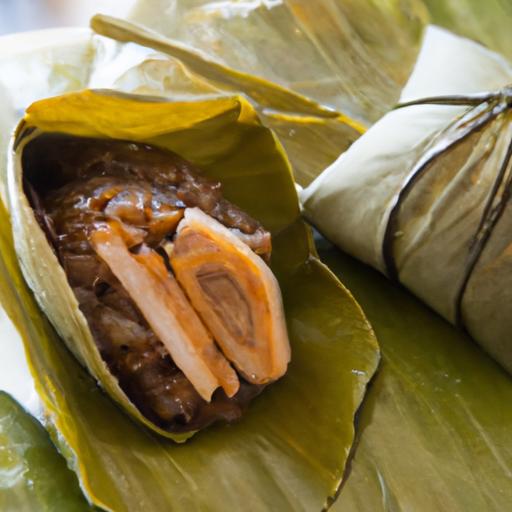
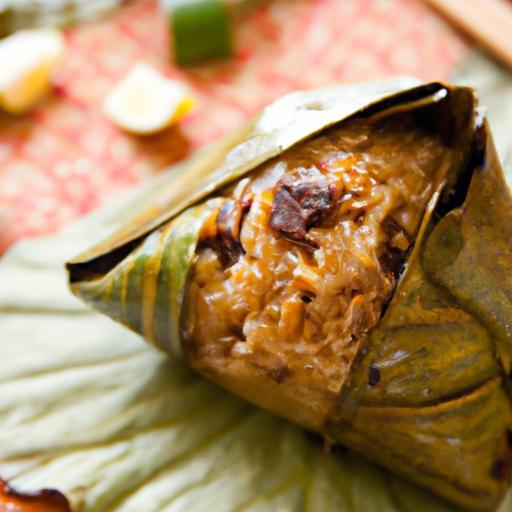
Steaming gently in fragrant lotus leaves, Lo Mai Gai is more than just a conventional dim sum delight-itS a culinary treasure that weaves together history, culture, and technique into every bite. This humble parcel of sticky rice, tender chicken, mushrooms, and savory seasonings embodies the intricate artistry of Cantonese cooking, where balance and harmony reign supreme. In “Unlocking Lo Mai Gai: The Art of Sticky Rice in Lotus Leaf,” we’ll journey beyond the wrapper to uncover the origins, the secrets of perfect texture, and the soul behind this beloved dish. Whether you’re a curious foodie or an aspiring cook, prepare to dive into the steaming world of Lo Mai Gai and discover how a simple leaf can transform humble ingredients into a symphony of flavor.
Unlocking Lo Mai Gai is a journey into the heart of Cantonese culinary tradition, where fragrant sticky rice meets tender marinated chicken, all wrapped in a delicate lotus leaf. This classic dim sum dish offers a sensory experience that transcends mere flavor, connecting those who prepare and savor it to generations of chefs and families who revered the ritual of crafting it by hand. The subtle aroma of lotus leaf, the perfect sticky rice texture, and the harmonious blend of savory ingredients transform each bite into a comforting festivity of heritage and skill.
Prep and Cook Time
- Planning: 30 minutes (plus 3 hours soaking & marinating)
- cook Time: 45 minutes steaming
- Total Time: Approximately 4 hours 15 minutes
Yield
- Serves 4 people (4 individual parcels)
Difficulty Level
- Medium – requires some multi-step prep and attention to steaming technique
Ingredients
- 1 ½ cups glutinous (sticky) rice, rinsed and soaked for 3 hours
- 4 dried lotus leaves, soaked in warm water until pliable (about 30 minutes)
- 250g (9 oz) boneless chicken thighs, diced
- 4 Chinese dried shiitake mushrooms, soaked and sliced
- 2 Chinese sausages (lap cheong), thinly sliced
- 2 tbsp soy sauce
- 1 tbsp oyster sauce
- 1 tsp sesame oil
- 1 tsp Shaoxing wine or dry sherry
- 1 tsp sugar
- 2 cloves garlic, minced
- 2 tbsp vegetable oil
- Salt to taste
- 2 stalks green onions, finely chopped (optional garnish)
Instructions
- Prepare the sticky rice: Drain soaked rice thoroughly. In a hot pan, add 1 tbsp vegetable oil and lightly toast the rice for 2-3 minutes until it becomes fragrant but not browned. Set aside to cool.
- Marinate the chicken: In a bowl, combine diced chicken with soy sauce, oyster sauce, Shaoxing wine, sugar, sesame oil, and minced garlic. Mix well and let marinate for at least 30 minutes to enhance flavor and tenderness.
- Sauté mushrooms and sausage: Heat remaining oil in a skillet. Add sliced mushrooms and Chinese sausage, cooking until fragrant and slightly caramelized, about 4 minutes. Add marinated chicken and cook until chicken is just starting to brown, approximately 5 minutes. Remove from heat.
- Combine ingredients: Mix the toasted sticky rice and savory filling together gently, seasoning with a pinch of salt as needed.
- Prepare lotus leaves: Drain lotus leaves from soaking water, gently pat dry. Cut leaves into roughly 10×10 inch squares.
- Wrap the parcels: spoon about ¾ cup of the rice-filling mixture into the center of each leaf square. Fold sides securely, creating a tight parcel without tearing the leaf.Use kitchen twine or strips of lotus leaf to secure if needed.
- Steam carefully: Arrange parcels in a steamer lined with parchment paper or lettuce leaves to prevent sticking. Steam over boiling water for 40-45 minutes. The rice should be fully tender and infused with the lotus aroma.
- Rest and serve: Remove parcels and let rest for 5 minutes before unwrapping to allow flavors to settle. Garnish with fresh green onions or a drizzle of soy sauce, if desired.
Tips for Success
- Sticky rice texture: Achieving the perfect chewy and tender rice is crucial. Soak the rice adequately and toast it lightly before mixing to enhance aroma and prevent clumpiness.
- Lotus leaf selection: Choose thick, high-quality lotus leaves to avoid tearing during wrapping, and soak them long enough to become flexible and release their fragrance.
- Marinating: Don’t rush the marination process; even 30 minutes ensures tender,flavorful chicken.
- Adjust fillings: Feel free to incorporate diced salted egg yolk or dried scallops for more traditional luxury.
- Make ahead: Parcels can be wrapped and refrigerated for up to 24 hours before steaming.
- Steaming tip: Maintain steady medium-high heat; avoid overcrowding the steamer to ensure uniform cooking.
Serving Suggestions
Present each parcel wrapped in lotus leaf on a rustic bamboo steamer basket or a matte ceramic plate. Serve with a side of light soy sauce or chili oil for dipping. For added brightness,fresh cucumber slices or pickled radishes can refresh the palate. A cup of jasmine tea completes this authentic dining experience, invoking the ambiance of a bustling Cantonese dim sum house.
| Nutrient | Per Serving |
|---|---|
| Calories | 450 |
| Protein | 25g |
| Carbohydrates | 55g |
| Fat | 10g |

For more on mastering sticky rice dishes, check out our Perfect Sticky Rice Techniques guide. To dive deeper into the cultural background of Cantonese cuisine, visit this Britannica overview.
Q&A
Q&A: Unlocking lo Mai Gai – The Art of Sticky Rice in Lotus Leaf
Q1: What exactly is Lo Mai Gai?
A: Lo Mai Gai is a beloved dim sum classic – a treasure chest of fragrant sticky rice wrapped lovingly in a lotus leaf. Inside, you’ll find a delicious medley of seasoned glutinous rice, tender chicken, Chinese sausage, mushrooms, and sometimes salted egg yolk. Once steamed, this humble parcel reveals a symphony of textures and aromas that represent the heart of Cantonese comfort food.
Q2: Why use lotus leaves to wrap the sticky rice?
A: The lotus leaf isn’t just a natural wrapper; it’s an aromatic conductor. As the Lo Mai Gai steams,the lotus leaf imparts a subtle,earthy fragrance that infuses every grain of rice.Beyond flavor, the leaf keeps the sticky rice moist and tender, locking in steam to create that perfect chewy bite. It’s both tradition and culinary magic in one broad, green package.
Q3: How is the sticky rice prepared to achieve that ideal texture?
A: Achieving Lo Mai Gai’s signature texture starts with soaking the glutinous rice for several hours to soften it. After soaking, the rice is briefly stir-fried with ingredients like soy sauce and oyster sauce to infuse flavor before being wrapped in the lotus leaf. steaming then gently cooks the rice through, yielding a sticky, yet fluffy texture that clings lovingly to its fillings.
Q4: What fillings make Lo Mai Gai truly special?
A: The fillings are where creativity meets tradition. Classic Lo Mai Gai includes succulent pieces of chicken, Chinese sausage (lap cheong) for a hint of sweetness, shiitake mushrooms for umami depth, and occasionally salted egg yolk for richness. Each ingredient contributes to a layered flavor profile – savory, sweet, earthy, and deeply satisfying.
Q5: Can Lo Mai Gai be customized for different tastes?
A: Absolutely! While traditional Lo Mai Gai sticks to its roots,modern versions experiment with fillings like pork belly,dried scallops,or even vegetarian options with tofu and mixed mushrooms. The lotus leaf acts as a versatile canvas inviting innovation, while preserving the core experience of this quintessential dim sum delight.
Q6: What cultural significance does Lo Mai Gai hold?
A: Beyond being a delicious dish, Lo Mai Gai embodies the art of communal dining in Chinese culture. Traditionally served during yum cha (tea time), it encourages sharing and conversation. The meticulous preparation reflects respect for ingredients and technique, turning every bite into a celebration of heritage and craftsmanship.
Q7: How can beginners try making Lo Mai Gai at home?
A: Start by sourcing good-quality lotus leaves and glutinous rice,both often found in Asian grocery stores. Soak the rice overnight, prepare your fillings with balanced seasoning, and wrap carefully to seal in all the flavors. Patience during steaming is key – about 45 minutes to an hour will transform your parcel into a fragrant, sticky masterpiece. The rewards are well worth the endeavor!
Unlocking the secrets of lo Mai Gai is like peeling back layers of tradition, flavor, and technique – a delicious journey that honors the humble sticky rice wrapped in its fragrant lotus leaf embrace. whether you’re a dim sum aficionado or a curious cook,this dish invites you to savor the art of culinary storytelling,one sticky bite at a time.
In Summary
As the fragrant steam rises from a freshly unwrapped lotus leaf, revealing the glistening treasure of Lo mai gai within, we are reminded that this humble dish is much more than just sticky rice and savory fillings. It is a celebration of tradition, technique, and the subtle alchemy between simple ingredients and time-honored craftsmanship. Unlocking Lo Mai Gai means savoring not only the flavors but also the rich cultural tapestry woven into every bite-a delicious reminder that sometimes, the most extraordinary culinary experiences come wrapped in leaves and steeped in history. So next time you encounter this fragrant parcel, take a moment to appreciate the art behind the aroma, and allow yourself to be transported into the heart of a timeless culinary journey.