
There’s a serene elegance in teh delicate layers of tamagoyaki sushi-a sweet, folded egg roll that captures the very essence of Japanese culinary artistry. Mastering tamagoyaki is more than just perfecting a recipe; it’s an immersive journey into balance, technique, and tradition. This golden-hued delight, with its subtly sweet flavor and tender texture, transforms humble eggs into a captivating symphony of taste and form. In this article, we’ll unravel the secrets behind crafting impeccable tamagoyaki sushi, exploring the tools, ingredients, and technique that elevate a simple dish into an exquisite masterpiece. Whether you’re a seasoned sushi enthusiast or a curious kitchen adventurer, prepare to delve into the art of sweet egg rolls and discover how to bring this iconic bite to life.
Mastering Tamagoyaki Sushi begins with selecting the freshest, most flavorful ingredients to create a sweet egg roll that’s both delicate and rich. This quintessential Japanese rolled omelette,beloved for its layers of tender eggs balanced with gentle sweetness,relies heavily on ingredient harmony and technique. Choosing high-quality eggs, balancing a subtle mirin sweetness, and adding a splash of dashi broth helps achieve that signature umami depth while maintaining a luscious texture.
Prep and Cook Time
- Prep time: 15 minutes
- Cook Time: 10-12 minutes
- Total Time: 25-27 minutes
Yield
Serves 4 as a side dish or sushi topping.
Difficulty Level
Medium – requires attention to layering technique and heat control.
Ingredients
- 6 large eggs, preferably fresh and at room temperature
- 2 tablespoons mirin (Japanese sweet rice wine)
- 1 tablespoon dashi stock (homemade or store-bought)
- 1½ teaspoons sugar, adjust for desired sweetness
- ½ teaspoon soy sauce, for subtle umami
- 1 teaspoon neutral vegetable oil, for greasing the pan
Instructions
- prepare the egg mixture: In a bowl, gently whisk the eggs just until combined, avoiding excessive foam. Stir in mirin,dashi stock,sugar,and soy sauce until the sugar dissolves completely,creating a smooth,lightly seasoned batter.
- Heat your tamagoyaki pan: Warm a rectangular or small non-stick skillet over medium-low heat. Lightly oil the pan with a paper towel dipped in vegetable oil to ensure a nonstick surface and subtle sheen.
- Cook the first layer: Pour a thin, even layer (about 2-3 tablespoons) of the egg mixture into the pan, tilting to coat the bottom. Cook gently until almost set but still slightly wet on top, approximately 30-40 seconds.
- Start rolling: Using chopsticks or a spatula, roll the cooked layer forward to one side of the pan. Leave it gently gathered.
- Add another layer: Re-oil the pan lightly. Pour another thin layer of egg mixture, lifting the rolled omelette slightly to allow the liquid underneath. Cook until almost set, then roll the previous roll back over this new layer, forming a thicker roll.
- Repeat layering and rolling: Continue this process, building new layers and rolling to maintain a uniform thickness. Adjust the stove’s heat to avoid browning; the omelette should remain soft and pale yellow.
- Finish and shape: After the final roll, gently press the omelette with a spatula to compact the layers. Remove from the pan and let cool briefly on a bamboo mat or cutting board. Slice into even pieces about 1-inch thick for perfect sushi topping or bento presentation.
Tips for Success When Mastering Tamagoyaki Sushi
- Choose fresh, room-temperature eggs: Cold eggs can lead to uneven cooking and tougher texture.
- Maintain low and steady heat: This prevents browning and encourages tender layers.
- Use a rectangular tamagoyaki pan: This customary shape helps create even rolls; a small non-stick skillet works as an alternative.
- Be patient with rolling: Lift cooked layers gently-don’t rush-so layers meld beautifully.
- Adjust sweetness and salt: Customize mirin and sugar to suit your palate; starter cooks might try 1 tablespoon mirin and 2 teaspoons sugar for a milder profile.
- Make ahead and store: Tamagoyaki keeps beautifully refrigerated for 1-2 days inside an airtight container, best enjoyed at room temperature or gently reheated.
Creative Serving Suggestions to Elevate Your Tamagoyaki Experience
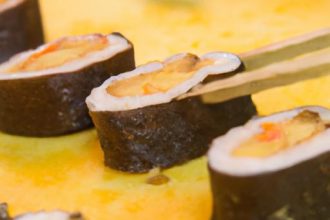
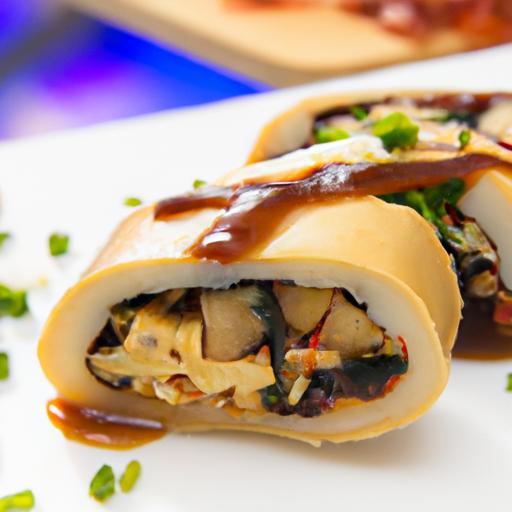
To truly showcase the delicate artistry of tamagoyaki sushi, presentation plays a key role. For a refined sushi platter, slice the tamagoyaki into neat, even pieces and place atop small beds of seasoned sushi rice, topping each with a tiny dab of wasabi or a whisper of pickled ginger.Garnish with thin strips of nori (seaweed) to wrap the slice and provide visual contrast and subtle texture.
For a bento box, arrange tamagoyaki alongside lightly steamed vegetables, pickled daikon, and a sprinkle of toasted sesame seeds for a burst of color and dimension. Adding a small side of grated daikon mixed with soy or a drizzle of unagi sauce offers inviting savory notes against the sweet richness of the egg roll.
Try a modern variation by layering in finely chopped scallions or shiso leaves between the egg layers for a fragrant herbaceous twist. Alternatively, accompany tamagoyaki with a dipping sauce of soy sauce lightly blended with yuzu citrus juice to brighten each bite.

| Nutrient | Per Serving |
|---|---|
| Calories | 150 kcal |
| Protein | 10 g |
| Carbohydrates | 5 g |
| Fat | 9 g |
For deeper insights into sushi rice planning to complement your egg rolls, visit our detailed Perfect Sushi Rice Guide. To explore traditional Japanese seasoning staples enhancing tamagoyaki, consider resources like Japanese Cooking 101.
Q&A
Q&A: Mastering Tamagoyaki Sushi – The Art of Sweet Egg Rolls
Q1: What exactly is Tamagoyaki, and how does it differ from other types of sushi?
A: Tamagoyaki is a Japanese rolled omelette, known for its sweet, delicate flavor and layered texture. Unlike nigiri or maki sushi that prioritize raw fish or vinegared rice wrapped in seaweed, tamagoyaki sushi centers around the beautifully folded egg itself. It’s frequently enough served atop a small bed of sushi rice, making it a sweet, savory, and satisfying bite that balances tradition with unique taste.
Q2: Why is tamagoyaki considered an art form in japanese cuisine?
A: Making tamagoyaki is much more than whisking eggs and frying them-it’s a subtle dance of timing, temperature, and technique. Each thin layer must be cooked just right and folded precisely to create multiple layers that are fluffy yet firm. The harmonious blend of sweet and savory, coupled with its presentation, elevates it to an edible masterpiece. Chefs train for years to perfect the rhythm and finesse required, making it a true culinary art.Q3: What ingredients give tamagoyaki its characteristic flavor?
A: the magic of tamagoyaki comes from a simple yet thoughtful combination: eggs, sugar, soy sauce, and mirin (a sweet rice wine). These ingredients produce a delicate balance of sweetness with a subtle umami punch. Some variations may include dashi (Japanese stock) to add depth, but the key is in blending these flavors so they sing in harmony without overpowering the natural egg taste.
Q4: Can beginners master tamagoyaki at home? What’s the biggest challenge?
A: Absolutely! While tamagoyaki can seem intimidating, with patience and practice anyone can learn its basics. The biggest challenge is mastering the rolling technique and controlling the heat. The pan must be evenly heated, and adding thin layers of egg at the right moment is crucial to avoid tearing or burning. Investing in a rectangular tamagoyaki pan and watching tutorial videos can turn frustration into fun.Q5: How does tamagoyaki fit into the modern sushi experience?
A: Tamagoyaki bridges the gap between traditional and contemporary sushi culture. It offers a sweet respite amidst the raw and salty flavors commonly found in sushi bars. For vegetarians or those wary of raw fish,it’s a delightful alternative that still encapsulates the elegance and craftsmanship of sushi. Many chefs now experiment with flavors-adding herbs, cheese, or even spices-keeping this age-old egg roll fresh and exciting.Q6: What’s the best way to serve and enjoy tamagoyaki sushi?
A: Serve tamagoyaki sushi slightly warm or at room temperature to appreciate its fluffy texture and layered sweetness. Pair it with a dab of wasabi and pickled ginger to offset the sugar’s sweetness, or enjoy it with a light soy sauce dip. It’s perfect as a starter, an accompaniment to more complex rolls, or even as a comforting snack.Presentation matters: neatly sliced pieces,aligned with precision,make for an inviting dish that’s as lovely to look at as it is to savor.
Q7: Any tips for enhancing the tamagoyaki experience?
A: Experiment with subtle tweaks-try adding finely chopped scallions or a sprinkle of sesame seeds inside the layers for texture. Use high-quality eggs for richer flavor and vibrant color. And remember, patience is a virtue; every fold teaches you more about the balance of heat, timing, and movement. Embrace the process as part of your culinary journey, and soon you’ll not only master tamagoyaki but also gain a deeper appreciation for the artistry behind every sushi roll.
In Conclusion
As you fold each delicate layer of tamagoyaki, you’re not just crafting a sweet egg roll-you’re weaving tradition, technique, and a touch of your own creativity into every bite. Mastering this artful sushi component opens up a world were simplicity meets elegance, and patience transforms into flavor. whether you’re a seasoned chef or a curious home cook, embracing the rhythms of tamagoyaki invites you to savor more than just a dish-it’s a journey through Japanese culinary heritage, one golden fold at a time. so gather your ingredients, steady your pan, and let the sweet symphony of tamagoyaki roll into your kitchen repertoire.