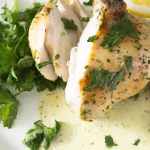
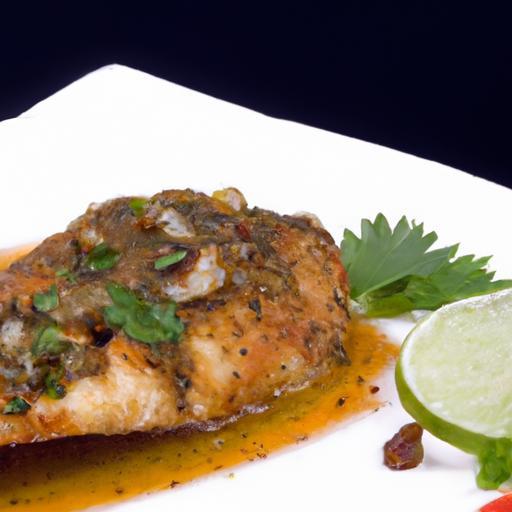
Nestled along the shimmering shores of the Ivory Coast, a culinary treasure awaits-Poisson Braise, the artful tradition of grilled fish that captures the very essence of West african coastal life. More than just a meal, Poisson Braise is a vibrant celebration of culture, flavour, adn community, where fresh catches are transformed through open flames and masterful seasoning into smoky, tender delights. In this article, we embark on a flavorful journey into the heart of Ivorian cuisine, uncovering the history, techniques, and sensory magic behind this beloved dish that continues to unite families and friends around crackling fires and shared tales.
Savoring Ivorian poisson Braise unveils an exquisite culinary tradition rooted deeply in the vibrant heart of Côte d’Ivoire. This grilled fish delicacy,beloved across coastal towns and bustling markets,represents more than just a meal-it’s a celebration of community,heritage,and the island’s rich bounty. Growing up near the Gulf of Guinea, the smoky aroma of Poisson Braise wafting from charcoal grills forever evokes memories of lively gatherings and shared stories beneath the warm african sun.
Prep and Cook Time
- Planning: 30 minutes (including marinating)
- cooking: 20-25 minutes
- Total: Approximately 55 minutes
Yield
Serves 4 hearty portions
Difficulty Level
Medium – ideal for home cooks eager to explore authentic grilling techniques and traditional West African seasoning.
Ingredients
- 1 whole fresh tilapia or snapper (about 2 lbs), scaled, cleaned, and gutted
- 5 cloves garlic, minced
- 1 large onion, thinly sliced
- 2 tablespoons tomato paste
- 3 fresh Scotch bonnet peppers, finely chopped (adjust for heat preference)
- 1 tablespoon smoked paprika
- 2 teaspoons ground ginger
- 1 teaspoon freshly ground black pepper
- 1 teaspoon dried thyme
- 1 teaspoon salt, or to taste
- 3 tablespoons palm oil or vegetable oil
- Juice of one lime
- Fresh parsley or cilantro, for garnish
- Banana leaves or aluminum foil (optional, for grilling)
Instructions
- Prepare the fish: Rinse the fish thoroughly under cold water, pat dry with paper towels, and make 3 diagonal slashes on each side to allow the marinade to deeply penetrate.
- Make the marinade: In a bowl, combine minced garlic, sliced onions, tomato paste, Scotch bonnet peppers, smoked paprika, ginger, black pepper, dried thyme, salt, palm oil, and lime juice. Mix until a fragrant, rich paste forms.
- Marinate the fish: Rub the marinade generously inside the fish’s cavity and onto its surface, making sure to massage it into the slashes. Cover and refrigerate for at least 30 minutes-up to 2 hours for a more intense flavor.
- Prepare your grill: Use a charcoal grill for authenticity, allowing the coals to become glowing red with a layer of white ash. If using a gas grill, preheat to medium-high.
- Wrap or position the fish: Optionally, wrap the fish in banana leaves to keep it moist and impart a subtle fragrance. Alternatively, place it directly on the grill grates, oiled to prevent sticking.
- Grill the fish: Cook over indirect heat for approximately 20-25 minutes, flipping once halfway through. The fish is done when the flesh is tender, flaky, and opaque, and the skin has a beautiful smoky char.
- Rest and garnish: Remove the fish carefully and let it rest for 5 minutes. Garnish with freshly chopped parsley or cilantro before serving.
Chef’s Notes: Tips for Success
- Selecting the Perfect Fish: Freshness is key-choose wild-caught whole fish such as snapper, tilapia, or even barracuda. Look for bright eyes, firm flesh, and a mild ocean scent.
- Marinade tips: Allowing the marinade ample time to soak in makes a world of difference. For an extra smoky dimension, add a teaspoon of smoked sea salt.
- Grilling Technique: Keep the grill lid closed as much as possible to trap heat and infuse your fish with that authentic smoky aroma.
- Making it Ahead: The marinated fish can be prepped the night before. Just cover tightly and refrigerate, then grill fresh on serving day for optimum flavor.
- Heat Management: Adjust Scotch bonnet quantity to your spice tolerance. Removing seeds reduces heat without sacrificing flavor.
Serving Suggestions
Present your grilled poisson braise atop a bed of jollof rice or alongside atiake spicy vegetable sauce for a lively balance of smoky and tangy flavors. Accompany with grilled plantains or steamed cassava roots for a truly traditional feast. A wedge of fresh lime on the side brightens every bite, while garnishing with crispy fried onions adds delightful texture contrast.

| Nutrient | per Serving |
|---|---|
| calories | 320 kcal |
| Protein | 38 g |
| Carbohydrates | 4 g |
| Fat | 15 g |
Discover more on Ivorian flavors and traditions from the Encyclopaedia Britannica’s overview of Côte d’Ivoire to deepen your appreciation of this incredible cuisine.
Q&A
Q&A: Savoring Ivorian Poisson Braise – The Art of Grilled Fish
Q1: What is Poisson Braise and why is it significant in Ivorian cuisine?
A: Poisson Braise literally means “grilled fish” in French, and it’s a beloved culinary tradition in Ivory Coast. This dish captures the vibrant coastal culture where fresh fish meets smoky open flames, resulting in a tantalizing harmony of flavors. It’s not just food-it’s a ritual of community, celebration, and connection to the sea.
Q2: What types of fish are typically used for Poisson braise?
A: Ivory Coast’s coastal waters offer a bounty of fresh fish, with tilapia, snapper, and barracuda being favorites. These fish have firm flesh that holds up beautifully to grilling,absorbing smoky aromatics while retaining juicy tenderness.
Q3: How is the fish prepared before grilling?
A: Preparation is an art in itself. The fish is usually cleaned and scored to allow marinade and smoke to penetrate deeply. A vibrant marinade made from ingredients like fresh garlic, ginger, red palm oil, chili peppers, and a blend of local herbs infuses bold, spicy notes into every bite.
Q4: What makes the grilling technique unique?
A: Traditional ivorian poisson braise is grilled over open charcoal fires,frequently enough with fragrant wood chips to impart a natural smokiness. The fish is cooked slowly and carefully, turning regularly to develop a crisp, charred exterior that seals in juices and flavors. This method requires patience and intuition-a dance with the flames.
Q5: How is Poisson Braise traditionally served?
A: The grilled fish is typically accompanied by spicy attiéké (a fermented cassava couscous), fried plantains, and fresh vegetable salads.The combination balances the smoky richness of the fish with refreshing textures and tangy or spicy sides, creating a symphony of tastes and colors on the plate.Q6: Can Poisson Braise be enjoyed beyond Ivory Coast?
A: Absolutely! While it’s deeply rooted in Ivorian culture, poisson braise’s allure transcends borders. Chefs worldwide seek to replicate its smoky, fiery soul. Sharing Poisson Braise is sharing a piece of Ivory Coast’s heart-an invitation to experience its coastal heritage, vibrant flavors, and celebratory spirit wherever you are.
Q7: Any tips for first-timers wanting to try Poisson Braise at home?
A: Start with a fresh, firm fish and don’t skimp on the marinade-bold flavors make all the difference. Use a charcoal grill if possible or replicate smokiness with a grill pan and a splash of smoked paprika. Remember: patience is key to achieving that perfect char and juicy inside. Most importantly, savor the process-it’s part of the art.
Through Poisson braise, Ivory Coast gifts us a appetizing story told in fire and flavor-a timeless tradition that invites us all to gather around the grill and celebrate life.
Insights and Conclusions
As the smoky aroma of Poisson Braise lingers in the air, it tells a story far richer than just a meal-it is a vibrant expression of Ivorian culture, tradition, and the art of grilling perfected over generations. Each charred,tender bite invites you to savor not only the flavors but the heritage that shapes this beloved dish. Whether enjoyed at a bustling street market or a family gathering, Ivorian Poisson Braise is more than food; it is a celebration of community, resilience, and the timeless joy found in simple, skillfully prepared ingredients. So next time you taste this grilled masterpiece, remember you’re partaking in a culinary journey that honors both the fire and the soul of Côte d’Ivoire.