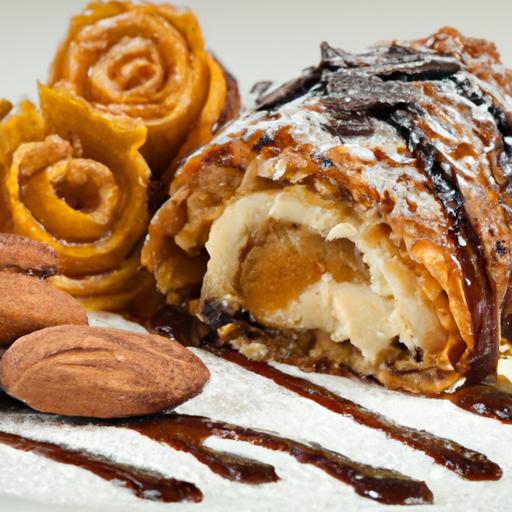

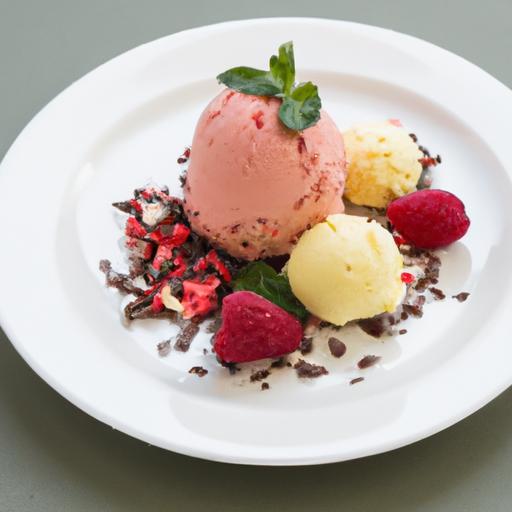
ItalyS culinary landscape is a vibrant tapestry woven with rich flavors, passionate traditions, adn stories passed down through generations. Among its many treasures, Italy’s timeless dessert classics hold a special place-not merely as sweet treats but as edible echoes of history and culture.From the velvety layers of tiramisu to the crisp, honey-kissed biscotti, each dessert invites us to savor more than just sugar and spice; they offer a glimpse into the heart of Italian heritage itself. In this journey through Italy’s beloved confections, we’ll uncover the origins, regional twists, and enduring appeal of these sweet masterpieces that continue to enchant palates across the world.
Sweet Heritage is more than just enjoying a dessert; it’s an immersive journey into Italy’s rich culinary tapestry, where each bite tells a story of regional pride and centuries-old traditions. From the sun-kissed shores of Sicily to the rolling hills of Tuscany, Italian desserts capture local ingredients and distinct cultural influences that have been lovingly preserved and adapted by generations of home cooks and artisans alike.
Prep and cook Time
- Planning: 25 minutes
- Cooking: 40 minutes
- Total: 1 hour 5 minutes
Yield
Serves 6 generous portions
Difficulty Level
Medium - Ideal for adventurous bakers eager to master authentic techniques
ingredients
- 2 cups ricotta cheese, well-drained and at room temperature
- 1 cup granulated sugar
- 4 large eggs, separated
- 1 cup all-purpose flour, sifted
- 1 teaspoon pure vanilla extract
- 1 teaspoon lemon zest, finely grated
- 1/2 cup dark chocolate chips (optional, for that sicilian flair)
- Butter and flour for greasing the baking pan
- Powdered sugar, for dusting
Instructions
- Preheat your oven to 350°F (175°C). Butter a 9-inch springform pan thoroughly,then dust it lightly with flour to help the cake release easily after baking.
- in a large bowl, beat the egg yolks and sugar until the mixture becomes pale and creamy, about 3-5 minutes with an electric mixer on medium speed.
- Fold in the ricotta cheese gently, followed by the vanilla extract and lemon zest, mixing just until incorporated to keep the texture light.
- Gradually sift the flour into the ricotta mixture, folding delicately with a spatula to avoid losing air.
- In a separate clean bowl, whip the egg whites until they hold stiff peaks-this aeration is key to the traditional airy texture.
- Carefully fold the whipped egg whites into the ricotta batter in three additions,ensuring a smooth and light blend without deflating the mixture.
- If desired, gently stir in the dark chocolate chips for an irresistible contrast that nods to Sicilian influences.
- Pour the batter into the prepared pan and smooth the surface with a spatula to ensure even baking.
- Bake for 40 minutes or until the top is golden and a toothpick inserted in the center comes out clean.
- Let the cake cool wholly in the pan on a wire rack to settle the delicate crumb before unmolding.
- dust with powdered sugar right before serving for an elegant finish.
Chef’s Notes and Tips for Success
- Ricotta texture matters: Use fresh or homemade ricotta for the best creamy consistency. Drain excess moisture by wrapping it in cheesecloth and letting it rest overnight, preventing a soggy dessert.
- Egg whites must be stiff: To guarantee fluffiness, ensure your mixing bowl is grease-free and chilled for optimal whipping.
- flavor variations: Try adding candied orange peel or toasted pine nuts to embrace other Sicilian favorites.
- Make-ahead tip: This cake tastes even better the next day after resting in an airtight container, allowing flavors to harmonize beautifully.
- Substitution: For a gluten-free version, replace the all-purpose flour with almond flour but reduce quantity to 3/4 cup to maintain balance.
Serving Suggestions
This cake pairs magnificently with a fresh berry compote or a drizzle of local honey to highlight its subtle sweetness.Garnish with mint leaves or edible flowers to add vibrant color, making it as visually captivating as it is flavorful. For a truly authentic Italian experience,serve alongside a shot of rich espresso or a glass of Vin Santo, Tuscany’s prized dessert wine that elevates every bite.
| Nutrient | Per Serving |
|---|---|
| Calories | 280 kcal |
| Protein | 10 g |
| Carbohydrates | 28 g |
| Fat | 14 g |

For more Italian dessert inspiration, check out our authentic tiramisu recipe, a beloved classic that perfectly complements your dessert repertoire.
Q&A
Q&A: Sweet Heritage – Exploring Italy’s Timeless Dessert Classics
Q: What makes Italian desserts so uniquely captivating in the world of sweets?
A: Italian desserts are a symphony of history, culture, and regional flair. Each bite tells a story-whether it’s a velvety tiramisu born from Veneto’s inventive kitchens or a Sicilian cannolo wrapped in crispy pastry, the desserts capture centuries of tradition combined with artisan craftsmanship. Their simplicity, quality ingredients, and deep-rooted symbolism make them both comforting and captivating.
Q: Which Italian dessert could be considered a “passport” to Italy’s culinary heritage?
A: Tiramisu is frequently enough the ambassador of Italian sweets worldwide. Hailing from the Veneto region, this luscious layering of espresso-soaked ladyfingers and mascarpone cream embodies Italy’s love for coffee and indulgence. Beyond its delightful flavors, tiramisu literally means “pick me up,” echoing the lively spirit of Italian culture.
Q: How do regional differences influence Italy’s dessert repertoire?
A: italy’s diverse landscape is mirrored in its desserts. Northern Italy favors rich, creamy textures-think panna cotta and zabaglione-while the South tempts with robust flavors like almonds, citrus, and ricotta, showcased in delights such as cassata and cannoli. Each region’s climate, history, and local ingredients shape its sweet creations, making Italian desserts a delicious journey from north to south.
Q: What role do traditional ingredients play in Italian desserts?
A: ingredients like mascarpone cheese, ricotta, citrus fruits, almonds, honey, and espresso are foundational to Italian desserts.Their freshness and simplicity highlight Italy’s culinary philosophy: quality over complexity. These ingredients not only define textures and flavors but also connect modern recipes to their ancestral roots.
Q: Are Italian desserts only reserved for special occasions?
A: Absolutely not! While many desserts originate from festivals or celebrations, Italians savor sweets anytime-from a casual afternoon espresso paired with biscotti to festive treats during Christmas or Easter. This everyday embrace of dessert reflects the Italian ethos of enjoying life’s pleasures moment by moment.
Q: How have Italian dessert classics evolved in contemporary cuisine?
A: Modern chefs pay homage to tradition while experimenting with textures, presentations, and fusion flavors. You’ll find tiramisu served in deconstructed forms, gelato with avant-garde flavors, or cannoli filled with innovative creams. Yet, the soul of these desserts remains, preserving their timeless appeal even as they evolve.
Q: Where should a traveler begin their exploration of Italian desserts?
A: Embark on a sensory pilgrimage starting with Rome’s creamy gelato counters, venture to Sicily for authentic cannoli, and indulge in Naples with a slice of baba soaked in rum. Don’t miss the smaller towns, where family-run pasticcerias guard age-old recipes, offering a sweet glimpse into Italy’s enduring culinary heritage.
Q: What is the key takeaway for someone discovering Italian desserts for the first time?
A: Approach Italian desserts with curiosity and an open palate. Beyond sugar and spice, these sweets are edible stories-echoes of the land, tales of tradition, and celebrations of life’s simple joys. Each classic is an invitation to connect with Italy’s rich heritage, one delectable bite at a time.
Wrapping Up
As we close the chapter on Italy’s sweet heritage, it becomes clear that these timeless dessert classics are more than just indulgent treats-they are edible stories, each bite a bridge connecting past to present. From the rich layers of Tiramisu to the delicate crisp of Cannoli,Italy’s desserts invite us to savor not only their flavors but the cultural traditions they carry. Whether enjoyed in a bustling Roman café or recreated in your own kitchen,these confections remind us that heritage is somthing to be tasted,shared,and celebrated across generations. So next time you indulge in an Italian sweet, remember you’re partaking in a delicious legacy that continues to enchant the world, one spoonful at a time.