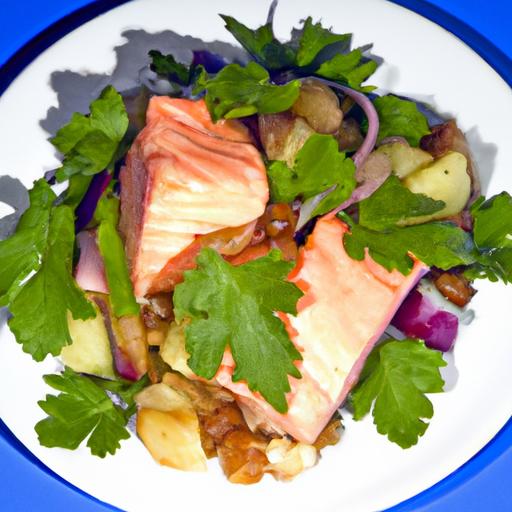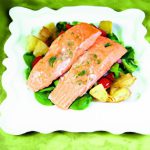
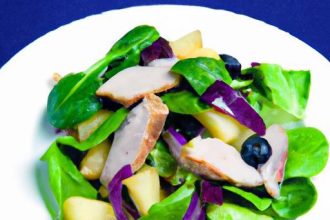
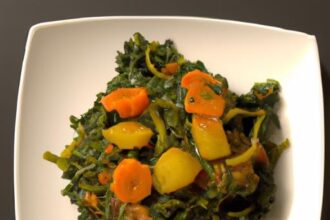
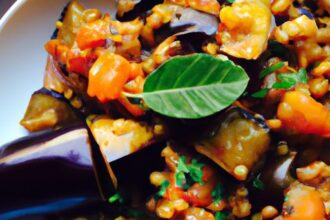
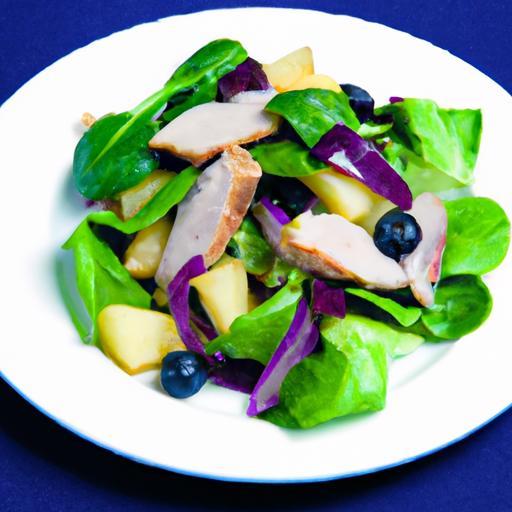
In a world where carbs frequently enough steal the spotlight, mastering the art of keto cooking offers a tasty rebellion-a chance to savor rich flavors while staying true to low-carb living. “Mastering Keto: Creative Cooking Methods for Low-Carb Meals” invites you to break free from culinary monotony and discover inventive techniques that transform humble ingredients into mouthwatering masterpieces.Whether you’re a seasoned keto enthusiast or just beginning your low-carb journey, this guide will inspire you to think outside the bun, blending science and creativity to fuel your body and delight your palate.Get ready to cook smarter, eat better, and embrace the vibrant possibilities of keto cuisine.
Mastering Keto: Creative Cooking Methods for Low-Carb Meals invites you to redefine your culinary boundaries by incorporating innovative techniques and unconventional ingredients that transform your everyday cooking into an extraordinary experience. Imagine blending the rich umami of fermented black garlic with the vibrant crunch of jicama or the buttery notes of avocado oil-each element purposely selected to enhance flavor and texture while keeping carbohydrates minimal. This approach not only keeps your keto journey exciting but also offers creative freedom, making every meal a festivity of taste and nutrition.
Prep and Cook Time
Prep Time: 15 minutes | Cook Time: 20 minutes | Total Time: 35 minutes
Yield
Serves 4
Difficulty level
Medium
Ingredients
- 2 large chicken breasts,skin-on,trimmed
- 2 tbsp avocado oil
- 3 cloves fermented black garlic,finely minced
- 1 small jicama,peeled and julienned
- 1 cup cauliflower rice,steamed
- 1/4 cup toasted sliced almonds
- 1 tbsp fresh thyme leaves
- 1/2 tsp smoked paprika
- Salt and freshly cracked black pepper,to taste
- 1/2 cup heavy cream
- 1 tbsp Dijon mustard
- Fresh microgreens,for garnish
Instructions
- prepare the chicken: Pat the chicken breasts dry with paper towels to achieve a crispy skin. Season both sides generously with salt, black pepper, and smoked paprika.
- Heat avocado oil: Warm 1 tablespoon of avocado oil in a heavy skillet over medium-high heat. Once shimmering,place the chicken skin-side down. Sauté until the skin is golden brown and crisp, about 6-7 minutes, flipping halfway to prevent sticking.
- Remove and rest: Transfer chicken to a plate and tent with foil. Lower the heat to medium.
- Sauté black garlic: In the same skillet,add the remaining avocado oil and minced fermented black garlic. Cook gently for 1-2 minutes until aromatic but not burnt.
- Add cauliflower rice and jicama: Stir in steamed cauliflower rice and julienned jicama. Sauté for 4-5 minutes, allowing the jicama to retain it’s crunch while melding with the garlic flavor. Season with salt and thyme leaves.
- Deglaze and create sauce: Pour in heavy cream and Dijon mustard. Stir constantly, scraping the pan’s browned bits to incorporate flavor. Simmer until the sauce thickens slightly, about 3 minutes.
- Finish chicken: Nestle chicken breasts skin-side up into the sauce. Cover and cook for an additional 5-7 minutes until the chicken is cooked through (internal temperature 165°F).
- garnish and serve: Plate the chicken atop the cauliflower-jicama medley. Sprinkle toasted almonds and fresh microgreens to add texture and a burst of herbal freshness. Serve immediately.
Tips for Success
- For an even deeper flavor, marinate the chicken overnight in avocado oil, smoked paprika, and minced garlic.
- Substitute jicama with celery root or kohlrabi if you want a similar crunch with subtle flavor variations.
- If you prefer a dairy-free option, swap heavy cream with coconut cream, which adds a luscious, slightly sweet undertone.
- preparing the cauliflower rice and jicama in advance saves time and keeps the dish stress-free on busy days.
- Use a digital thermometer to ensure perfectly cooked chicken without drying out the meat.
Serving Suggestions
Serve this dish on elegant white plates to highlight its vivid colors. Pair it with a side of sautéed spinach tossed in lemon zest or a crisp arugula salad dressed with a lemon vinaigrette for added brightness. A light sprinkle of flaky sea salt and freshly cracked black pepper over the top enhances every bite. This meal also pairs beautifully with a chilled glass of dry white wine such as Sauvignon Blanc or a sparkling mineral water infused with cucumber slices for a refreshing palate cleanser.
| Nutritional Information (per serving) | Amount |
|---|---|
| Calories | 420 kcal |
| Protein | 38 g |
| Carbohydrates | 8 g |
| Fat | 24 g |
Internal link: Enhance your keto culinary skills further by exploring our comprehensive guide to keto meal prep strategies.
External link: For a deep dive into the science behind keto ingredients and their health benefits, visit the Healthline Ketogenic Diet Overview.

Q&A
Q&A: Mastering Keto – creative Cooking Methods for Low-Carb Meals
Q1: What exactly does “mastering keto” mean beyond just cutting carbs?
A1: Mastering keto is more then simply reducing carbohydrates; it’s about embracing a lifestyle that harnesses creativity to keep meals exciting, flavorful, and nutritionally balanced. it means learning to cook with fat as a star ingredient, exploring new textures, and using inventive methods to transform humble low-carb ingredients into culinary masterpieces.Q2: How can I keep my keto meals exciting without relying on the same old recipes?
A2: Think outside the skillet! Experiment with techniques like spiralizing veggies for fresh, noodle-like dishes, air frying to achieve crispy textures without flour, or slow roasting to deepen flavors. Incorporate global spices and herbs, and play with layering-think stuffed avocados or keto-pleasant cauliflower crust pizzas-to keep your plates vibrant and enticing.
Q3: What are some creative ways to make low-carb vegetables more appealing?
A3: Turn veggies into the star with inventive methods. Try grilling thick asparagus spears with a zesty lemon-garlic butter, or roasting Brussels sprouts with crispy pancetta to add savory crunch. Rethink salads by roasting beets and walnuts, or whip up creamy cauliflower mash with roasted garlic and parmesan. even raw veggies get a twist when paired with homemade keto dressings or fermented for tangy depth.
Q4: can traditional carb-heavy dishes be keto-fied without losing flavor or texture?
A4: Absolutely! Cauliflower is your keto kitchen’s best friend-it can be riced, mashed, or even transformed into pizza crusts and tortillas with almond or coconut flour. Zucchini and eggplant can replace lasagna noodles, and cloud bread offers a fluffy substitute for sandwiches. The key is balancing textures and flavors-think crisp veggies meet melty cheeses and rich fats-to satisfy cravings authentically.
Q5: What cooking fats work best for keto, and how do they influence flavor?
A5: Embrace fats like avocado oil, coconut oil, ghee, and olive oil; each brings unique qualities to your dishes. Ghee adds a nutty,caramelized depth; coconut oil lends tropical sweetness ideal for desserts or Asian-inspired meals; avocado oil is neutral with high smoke point perfect for frying; olive oil shines in dressings and Mediterranean dishes. Using these fats wisely elevates flavor while keeping you in ketosis.
Q6: How can I incorporate protein creatively without boring repeats like grilled chicken or steak?
A6: Diversify your protein portfolio with more than just grilling. Try sous-vide chicken breast for tender juiciness, or pan-sear salmon with herb crusts. Explore ground turkey meatballs rolled in parmesan and herbs, or skillet-fry pork belly slices for crispy indulgence. Eggs can be reinvented as cloud eggs, frittatas, or shakshuka with rich tomato sauce and spices.
Q7: Are there any cooking hacks to speed up keto meal prep while keeping creativity intact?
A7: Batch-roasting mixed veggies or proteins saves time and opens doors for mixing and matching through the week. Utilize frozen spiralized veggies, invest in an air fryer for fast and healthy crispiness, and prep keto-friendly sauces and dressings in advance. keep a stash of flavored nuts,cheese crisps,and low-carb dips on hand for effortless flair.
Q8: what role do herbs and spices play in mastering keto cooking?
A8: Herbs and spices are your culinary kaleidoscope-they transform basic ingredients into flavor-packed wonders without adding carbs. Think smoky paprika, aromatic rosemary, fiery chili flakes, or radiant lemon zest. They awaken your palate, add complexity, and keep your low-carb meals far from monotonous.
Q9: How can I satisfy my sweet tooth while sticking to keto principles?
A9: Creativity shines in keto desserts! Use natural low-carb sweeteners like erythritol or monk fruit paired with almond or coconut flour. Bake zucchini or avocado brownies that sneak in veggies, or whip up creamy chia seed puddings with unsweetened cocoa and vanilla. Frozen berries with whipped cream or fat bombs made from nut butters can also curb cravings deliciously.Q10: What mindset should I adopt to truly master keto cooking?
A10: Approach it as a delicious experiment rather than a restrictive diet. Embrace curiosity, play with ingredients, and allow your taste buds to guide you.Remember that mastering keto is a journey of finding-where low-carb living meets culinary creativity, turning each meal into a celebration of health and flavor.
In Summary
As you embark on your low-carb journey, remember that mastering keto is as much about creativity as it is about discipline. With these inventive cooking methods in your arsenal, your kitchen transforms into a playground where the humble ingredients of keto come alive in exciting, flavorful ways.Embrace experimentation, savor the textures, and let each meal be a celebration of innovation and health. after all, the art of keto cooking isn’t just about cutting carbs-it’s about redefining what a delicious, satisfying plate can be. So tie on your apron, sharpen your knives, and get ready to turn every low-carb meal into a culinary masterpiece.