
There’s a certain magic in a bowl of hot and sour soup-a harmonious dance of bold flavors that awaken the senses and warm the soul. This vibrant elixir, steeped in centuries of culinary tradition, is more than just a popular starter; it is a testament to the delicate balance of spice, tang, and umami that defines much of Asian cuisine. From its humble origins to its global reinventions, hot and sour soup invites us to savor not only its zesty complexity but also the rich cultural stories simmering beneath its surface. Join us as we explore the history, ingredients, and enduring appeal of this timeless classic, celebrating a tradition that continues to captivate taste buds around the world.
Savoring Hot and Sour Soup: A Zesty Tradition Explored
Savoring Hot and Sour Soup is an experience that awakens the palate wiht its vibrant mingle of spicy heat and tangy acidity, rooted deeply in Chinese culinary heritage. This iconic dish is more than just a soup-it’s a celebration of balance, tradition, and bold flavors that have brought comfort and excitement for centuries. Originating from Sichuan province, hot and sour soup melds local ingredients and cultural influences, resulting in a complex yet approachable dish perfect for warming the soul on any day.
Prep and Cook Time
Readiness: 15 minutes | Cooking: 20 minutes | Total: 35 minutes
yield
Serves 4 generously
Difficulty Level
Medium – ideal for cooks ready to hone the art of flavor layering
Ingredients
- 4 cups chicken or vegetable broth
- 1 cup firm tofu, cut into ½-inch cubes
- ½ cup dried shiitake mushrooms, soaked and sliced
- 1 medium carrot, julienned
- 2 tablespoons soy sauce
- 1½ tablespoons Chinese black vinegar (Chinkiang vinegar)
- 1 teaspoon chili garlic sauce (adjust to taste)
- 2 teaspoons cornstarch mixed with 3 tablespoons water
- 1 large egg, lightly beaten
- 1 garlic clove, minced
- 1 teaspoon fresh ginger, grated
- 1 tablespoon sesame oil
- 2 green onions, thinly sliced
- ½ teaspoon white pepper
- 1 teaspoon toasted sesame seeds (optional garnish)
- 1 cup bamboo shoots, julienned (optional)
- Salt to taste
Instructions
- Prepare your broth base: In a medium pot, heat the sesame oil over medium heat. Sauté the minced garlic and grated ginger until fragrant, about 1 minute, stirring constantly to prevent burning.
- Add the mushrooms, carrots, and bamboo shoots: Stir and cook for 3-4 minutes until slightly tender but still radiant in color. This layering unlocks their natural flavors.
- Pour in the broth: Bring it to a gentle boil. Add the tofu cubes, soy sauce, Chinese black vinegar, chili garlic sauce, and white pepper. Adjust the chili and vinegar based on your desired heat and sourness.
- Thicken the soup: Slowly drizzle in the cornstarch slurry while stirring to create a luscious silky texture.Simmer for 3 minutes until slightly thickened.
- Create the signature egg ribbons: Pour the beaten egg in a steady stream while gently swirling the soup with a ladle. The egg will cook immediately,forming delicate ribbons that add visual elegance and a subtle creaminess.
- Final seasoning and garnish: Taste and adjust salt if necessary. Sprinkle with sliced green onions and toasted sesame seeds for a fresh, nutty finish. Serve piping hot for the best experience.
Tips for Success in Savoring hot and Sour Soup
- Balance is everything: The magic lies in achieving the right interplay between sourness and heat. Start conservatively with black vinegar and chili, and adjust as you go.
- Ingredient swaps: Use oyster mushrooms or fresh shiitake if dried are unavailable, and substitute rice vinegar if black vinegar is hard to find (though it’s less earthy).
- Protein options: Incorporate shredded chicken, pork, or even shrimp for a heartier soup, but keep tofu for that silky texture contrast.
- Make-ahead tip: Prepare the broth and vegetable base a day ahead. Reheat gently and add egg ribbons fresh before serving.
- Texture play: For added crunch, sprinkle toasted peanuts or water chestnuts just before serving.
Serving Suggestions
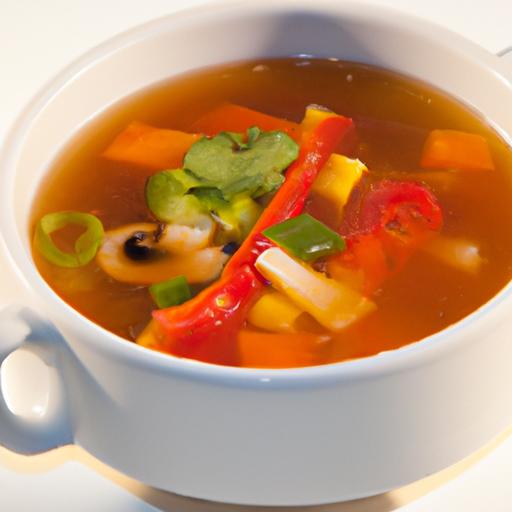
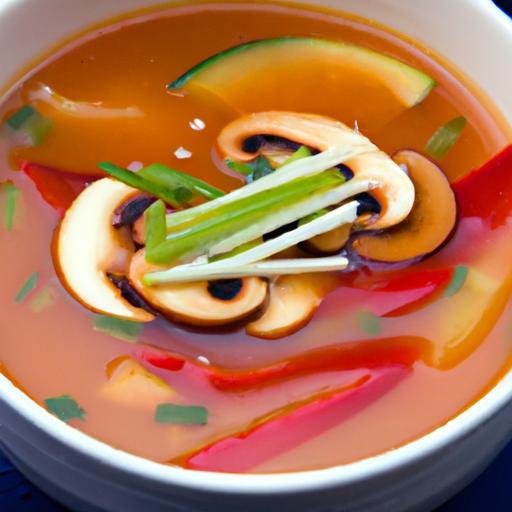
Hot and sour soup shines when served as a starter alongside a fragrant bowl of steamed jasmine rice or paired with crispy spring rolls for textural contrast. Garnish generously with fresh chopped cilantro or a squeeze of lime for added brightness. Present in rustic bowls-allowing the rich, ruby-red broth and floating tofu ribbons to captivate the eye. This soup thrives hot yet soothing,perfect for sipping slowly between bites.

| Nutrient | Per Serving |
|---|---|
| Calories | 150 kcal |
| protein | 8 g |
| Carbohydrates | 15 g |
| Fat | 6 g |
For those eager to explore more delicious Chinese soups, check out our Ultimate Guide to Wontons and Soups. To deepen your understanding of vinegar’s pivotal role in Asian cooking, visit Serious Eats: What is Chinkiang Vinegar?
Q&A
Q&A: Savoring Hot and Sour Soup – A Zesty Tradition Explored
Q1: What exactly is hot and sour soup, and why is it so beloved?
A1: Hot and sour soup is a classic Chinese soup known for its bold, invigorating flavors-a perfect harmony of spicy heat and tangy sourness. This dynamic blend awakens the palate with every spoonful, making it a comforting favorite worldwide. Beyond taste, it carries centuries of tradition, frequently enough served as a warming appetizer or a hearty dish that stimulates both appetite and conversation.
Q2: Where did hot and sour soup originate?
A2: The roots of hot and sour soup trace back to China’s sichuan and Hunan provinces, regions famed for their love of bold, piquant flavors.each locale brings its own twist-Sichuan’s version with peppery numbing spice, and Hunan’s leaning into fiery heat-reflecting the diverse culinary landscape of China. Over time, the soup has traveled globally, adapting to local ingredients and tastes while preserving its signature zest.
Q3: what are the key ingredients that give hot and sour soup its distinctive flavor?
A3: The magic lies in balance-vinegar (frequently enough black or rice vinegar) lends the sour punch,while white pepper or chili oil provides the heat. Classic additions include firm tofu, wood ear mushrooms, bamboo shoots, and sometimes pork or chicken, all swimming in a savory broth thickened with cornstarch. This combination creates a texture that’s both silky and satisfying.
Q4: How does hot and sour soup reflect Chinese culture and tradition?
A4: Beyond its culinary appeal,hot and sour soup embodies principles of balance and harmony integral to Chinese beliefs.The interplay of hot and sour flavors symbolizes yin and yang-a harmonious blending of opposites. It’s also a common fixture during communal meals and celebrations, emphasizing connection and shared enjoyment.
Q5: Can hot and sour soup be adapted for modern or international palates?
A5: Absolutely! While traditional recipes hold a special place, chefs around the world experiment with ingredients like mushrooms from different regions, vegan proteins, or even fusion spices. some versions might reduce heat for milder tastes, while others enhance tanginess with creative vinegar blends. This adaptability keeps hot and sour soup vibrant and relevant across cultures.
Q6: what is the best way to enjoy hot and sour soup to fully appreciate its flavors?
A6: To truly savor this soup, it’s best enjoyed piping hot, accompanied by steamed rice or a light side dish to temper the intensity. Take small sips between bites to let the heat and sourness unfold gradually.Sharing it with friends or family adds to the experience, turning a simple meal into a lively celebration of zest and culture.Q7: Why should one try making hot and sour soup at home?
A7: Crafting hot and sour soup in your own kitchen invites you into a sensory journey steeped in history and flavor exploration. It’s a delightful way to experiment with balancing taste profiles and to connect with a culinary tradition that’s both comforting and exciting. Plus, nothing beats the satisfaction of nourishing yourself with a warm bowl tailored perfectly to your own spice and sour preferences!
The Conclusion
As the last spoonful of hot and sour soup lingers on your palate, you’re reminded that this beloved dish is more than just a bowl of flavors-it’s a vibrant tapestry woven from centuries of culture, tradition, and culinary artistry. Whether enjoyed in a bustling market street or prepared lovingly at home, hot and sour soup invites us to savor not only its bold, tangy zest but also the rich stories simmering beneath its surface. So next time you dip your spoon into this piquant brew, take a moment to appreciate the harmonious dance of heat and tang, and the enduring legacy that keeps this zesty tradition alive in every steaming bowl.