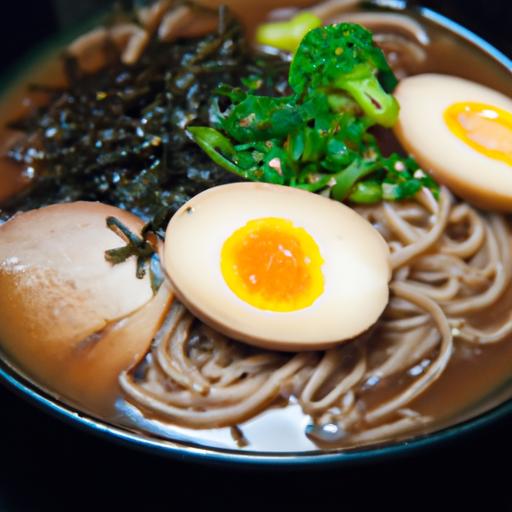

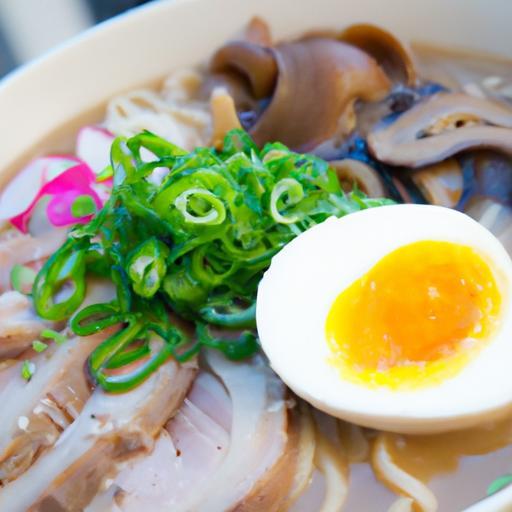
ThereS something irresistibly magical about a steaming bowl of Japanese ramen-a harmonious symphony of rich broth,springy noodles,and savory toppings that dances on the palate with every slurp. Whether you’re a seasoned foodie or a curious kitchen adventurer,”Savor the Slurp: Ultimate Guide to Best Japanese Ramen Recipes” invites you to dive deep into the world of Japan’s beloved comfort food. From traditional tonkotsu to vibrant miso, and from simple weekday bowls to decadent feasts, this guide will unveil the secrets behind crafting ramen that warms both heart and soul. Prepare your chopsticks, because a flavorful journey through Japan’s noodle nirvana is about to begin!
Essence of the Broth: Unlocking Flavorful Foundations
Savor the Slurp is all about mastering the soul of Japanese ramen-the broth. This rich, aromatic foundation transforms simple ingredients into a bowl of umami-filled comfort. Traditionally simmered for hours, ramen broth is an orchestrated blend of bones, aromatics, and seasonings that fuse into a luxurious liquid gold. Whether it’s a deep, hearty tonkotsu made from pork bones or a delicate, crystal-clear shoyu broth infused with soy sauce and dashi, each style invites you to explore endless flavor possibilities.
Start by selecting quality ingredients-fresh pork or chicken bones, kombu (kelp), dried shiitake mushrooms, and bonito flakes form the backbone of many broths. A long, slow simmer extracts gelatin and rich minerals, creating a velvety mouthfeel that clings to each strand of noodle. Remember, patience is key: a slow boil and gentle simmer unlock layers of complexity that instant broths simply can’t match.
Prep and Cook Time
- Readiness: 30 minutes
- Simmering: 6 to 12 hours
- Total Time: Approximately 7 to 12.5 hours
Yield
Serves 4 hearty bowls of ramen
Difficulty Level
Medium to Advanced (primarily due to simmering time and layering flavors)
Ingredients
- 3 lbs pork bones (neck, trotters, or femur, cleaned and blanched)
- 1 whole chicken carcass (optional for lighter broth)
- 1 piece kombu (dried kelp, about 6″ square)
- 5 dried shiitake mushrooms
- 4 cups water (filtered where possible)
- 2 cloves garlic (crushed)
- 1 medium onion (halved)
- 1-inch piece ginger (thinly sliced)
- 2 sheets dried bonito flakes
- ½ cup soy sauce (for shoyu broth)
- Salt to taste
Instructions
- Prepare bones: Rinse pork bones under cold water. Place in a large stockpot and cover with cold water. Bring to a boil and cook for 10 minutes,skimming off any impurities forming on the surface. Drain bones and rinse thoroughly.
- Make broth base: In a clean pot, add blanched bones, chicken carcass if using, kombu, dried shiitake, garlic, onion, and ginger. Cover with 8 cups cold water.
- Simmer gently: Slowly bring to just under a boil, maintaining a gentle simmer (do not boil vigorously). Skim foam frequently.Simmer for at least 6 hours, ideally closer to 12, replenishing water as needed to keep bones covered.
- Add umami depth: In the last 30 minutes, add bonito flakes and soy sauce if making shoyu broth. Stir gently and skim any foam or residue.
- Strain and season: Strain broth through a fine mesh sieve or cheesecloth into a clean pot. Season with salt to taste. Keep hot until ready to serve.
- Storage tip: Broth can be chilled for up to 3 days or frozen for up to 3 months.Fat will solidify on top-skim and save for extra richness.
Noodle Know How: Choosing the Perfect Texture and Thickness
When it comes to ramen, the noodle is your canvas. Thickness, curliness, and texture all play pivotal roles in how the broth is carried to your palate. Thin, straight noodles suit light shio or shoyu broths, allowing the delicate soup to shine. Thick, chewy noodles are perfect companions for creamy tonkotsu, holding onto the collagen-rich broth with each bite.
Fresh noodles offer the best bite but dried noodles can be a good standby. If choosing curls, remember these trap broth in their coils, creating bursts of flavor. For texture, alkaline water (kansui) is key; it gives noodles their springy chew and vibrant yellow hue, enhancing your ramen experience from the very first slurp.
Signature toppings Elevate Your Ramen Experience
Elevation comes from contrast and balance-toppings provide vibrant texture,richness,and freshness. Classic options include:
- Chashu pork: tender, braised slices with caramelized edges
- Soft-boiled ajitsuke tamago: marinated eggs with molten yolks
- Bamboo shoots (menma): fermented and lightly crunchy
- nori sheets: add briny undertones
- Green onions: thinly sliced for brightness
- Pickled ginger: for a tangy lift
- Corn and butter: popular with Hokkaido-style miso ramen for creamy sweetness
Crafting Regional Styles: Exploring Japan’s Diverse Ramen Traditions
Japan’s regional ramen styles are a treasure trove of flavors waiting to be discovered. From the buttery miso bowls of Sapporo to the delicate seafood-infused broths of Hakodate,each region tells a story. Kyushu’s tonkotsu ramen boasts a full-bodied broth with thin noodles, while Tokyo style (shoyu) features a savory soy-based soup with medium-thick, curly noodles.
trying a regional recipe inspired by its origin lets you savor a unique cultural palate. add toppings and condiments true to the region, and you’re not just eating ramen-you’re traveling through Japan’s vibrant culinary landscape with every satisfying sip.
Chef’s Notes: Tips for Success
- Layer flavors: Start your broth with bones, add aromatics at different cooking stages for depth.
- Don’t rush your simmer: A slow, low heat extraction yields more gelatin and umami.
- Customize salt and soy sauce: Always taste before final seasoning.
- Prep toppings ahead: Marinate eggs for at least 6 hours, braise chashu overnight.
- Freeze leftover broth: Perfect for fast weeknight ramen.
Serving Suggestions
Serve ramen in wide, deep bowls to showcase its vibrant colors. Ladle hot broth first,nestle noodles and toppings artfully on top. Garnish generously with sliced green onions and a sprinkle of toasted sesame seeds. Pair your bowl with a simple side of gyoza or edamame to complement the hearty flavors.

| Nutrient | Per Serving |
|---|---|
| Calories | 550 kcal |
| Protein | 35 g |
| Carbohydrates | 60 g |
| Fat | 18 g |
For more on noodle selections, check our detailed Ramen Noodle Guide. To dive deeper into Japanese food culture, explore this Japan-guide.com ramen overview.
Q&A
Q&A: Savor the Slurp – Ultimate Guide to Best Japanese Ramen Recipes
Q1: what makes Japanese ramen such a beloved dish worldwide?
A1: Japanese ramen is a harmonious symphony of textures, flavors, and aromas that captivate the senses. From the rich,simmered broths to the perfectly chewy noodles,every bowl tells a story of tradition and craftsmanship. Its versatility means a simple dish can range from a light,shoyu-based soup to a hearty,pork-laden tonkotsu creation,making it beloved by both comfort food seekers and culinary adventurers alike.
Q2: What are the essential components of an authentic Japanese ramen bowl?
A2: At its core, authentic ramen is a balance of four key elements: broth, noodles, tare (seasoning sauce), and toppings. The broth forms the soul-be it pork, chicken, fish, or vegetable-based-simmered to develop depth. Noodles offer that signature bouncy texture, sensitive to thickness and chewiness. Tare imparts the primary seasoning, such as soy sauce, miso, or salt. toppings like chashu (braised pork), soft-boiled eggs, nori, and green onions add complexity, texture, and visual appeal.
Q3: How can home cooks replicate rich ramen broth without hours of simmering?
A3: While traditional ramen broth is a labor of love requiring many hours, home cooks can achieve notable flavor through strategic shortcuts.Using quality chicken stock or dashi as a base, combined with flavor-packed tare and umami boosters-like dried shiitake mushrooms, kombu, or miso paste-can create a layered broth in under an hour. Slow cooker methods or pressure cookers also help extract deep flavors faster, making a sumptuous slurp accessible on weeknights.
Q4: What variations of ramen should every enthusiast try?
A4: A true ramen journey explores these iconic styles:
- Shoyu Ramen: Clear soy sauce-based broth, light and savory.
- Miso Ramen: Robust and hearty, with fermented soybean paste adding a unique tang.
- Tonkotsu Ramen: Creamy, pork-bone broth that’s rich and velvety.
- Shio Ramen: Delicately salted broth, often lighter and more subtle.
Experimenting with regional takes, like Sapporo’s miso or Hakata’s tonkotsu, further broadens the savory palette.
Q5: Which noodles best pair with different ramen broths?
A5: Noodles aren’t one-size-fits-all.Thicker,curly noodles excel in heartier miso or shoyu broths,holding onto flavor and offering a pleasing chew. Thin, straight noodles are a Tonkotsu staple, sliding easily through rich, creamy soups. Freshly made noodles elevate the experience, but dried or fresh store-bought varieties can still deliver satisfying texture when cooked perfectly.
Q6: How crucial are toppings, and can they be customized?
A6: Toppings are the exclamation point on your ramen narrative. Beyond taste, they add texture-crisp, creamy, or crunchy-and visual charm. While traditional selections like chashu pork, soft-boiled eggs, bamboo shoots, and scallions are beloved for good reason, ramen is highly customizable.Try adding corn, garlic chips, kimchi, or fresh herbs to reflect personal taste or regional flair. The best ramen is the one you love to slurp!
Q7: Any tips for achieving the perfect ramen egg (ajitsuke tamago)?
A7: Ah, the ramen egg-the yolky golden treasure! To nail it, boil eggs for about 6-7 minutes for a jammy center, then instantly chill in ice water to halt cooking. Marinate in a simple mix of soy sauce, mirin, and a little sugar for 4-12 hours depending on desired intensity. This sweet-salty infusion makes each bite melt-in-your-mouth deliciousness that complements the broth beautifully.
Q8: What’s the best way to enjoy ramen like a local in Japan?
A8: Embrace the experience fully: slurp loudly (it’s a sign of recognition, not rudeness), savor the aromas before the first mouthful, and try the entire bowl from broth to noodles to toppings. Ramen is meant to be enjoyed warm and fresh, so don’t let it sit too long. Engage in the bustling ramen shop vibe if possible-there’s something magical about communal eating and shared enthusiasm for this iconic dish.
Elevate your noodle game and savor every slurp with these insights-your ramen adventure awaits!
To wrap It Up
As you embark on your ramen journey, may each bowl bring you closer to the heart of japan’s rich culinary tapestry. From the delicate dance of broth simmered to perfection, to the harmonious blend of toppings that burst with flavor, mastering these recipes is more than just cooking-it’s an art of savoring tradition. so grab your chopsticks, embrace the slurp, and let every noodle tell its story. Whether you’re a seasoned ramen aficionado or a curious newcomer, your ultimate bowl awaits, ready to warm your soul one tasty spoonful at a time. Happy slurping!