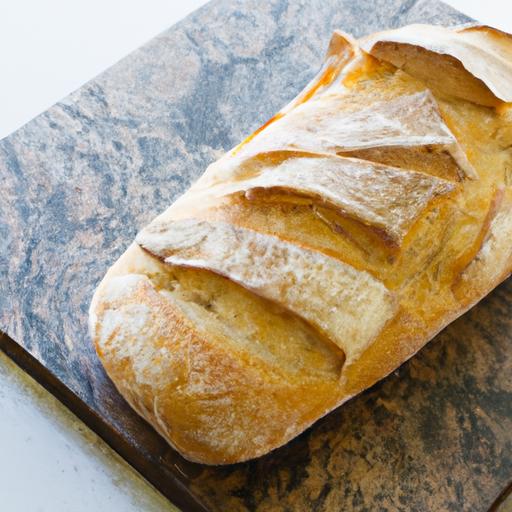


Ther’s something truly magical about waking up to the warm, comforting aroma of freshly baked bread filling your home.Yet, behind this simple pleasure lies a captivating blend of artistry and science-a delicate dance between time, technique, and temperature that transforms humble ingredients into a masterpiece of texture and flavor. In this exploration of “The Art and Science Behind Perfect Homemade Bread Baking,” we’ll uncover the secrets that elevate breadmaking from a daily routine to a rewarding craft. Whether you’re a curious novice or an aspiring artisan baker, understanding the intricate interplay of yeast fermentation, gluten progress, and baking chemistry will not only demystify the process but also inspire your hands to create loaves that are as stunning as they are delicious. Let’s embark on this journey where tradition meets innovation, and flour becomes more than just food-it becomes an experience.
The Art and Science Behind Perfect Homemade Bread Baking begins with a deep understanding of dough fundamentals, where every step-from activating yeast to mastering kneading techniques-plays a pivotal role in achieving that irresistible texture and flavor.Embracing this journey transforms flour, water, and yeast into a living masterpiece, full of hearty aroma and golden crust.
Prep and Cook Time
- Planning: 20 minutes (plus 1-2 hours rising time)
- Baking: 30-35 minutes
- Total Time: Approximately 2 hours
Yield
One loaf, serving 8 slices
Difficulty Level
Medium – ideal for excited beginners and intermediate bakers
Ingredients
- 3 ½ cups bread flour, sifted
- 1 ¼ cups warm water (105-110°F / 40-43°C)
- 2 ¼ tsp active dry yeast (one packet)
- 2 tbsp granulated sugar
- 1 ½ tsp fine sea salt
- 2 tbsp unsalted butter, melted
Instructions
- Activate the yeast: In a small bowl, dissolve the sugar in the warm water. Sprinkle the yeast over the surface and gently stir. Let it sit for 5-7 minutes until frothy and bubbling, signaling active yeast ready to work magic.
- Mix the dough: In a large bowl, combine the sifted bread flour and salt. Slowly add the yeast mixture and melted butter. Stir with a wooden spoon until a shaggy dough forms.
- Knead for texture: Turn the dough onto a lightly floured surface. Knead using the palms of your hands, pushing the dough forward and folding it back. Continue for 10-12 minutes until the dough is smooth and elastic. Proper kneading develops gluten, ensuring a chewy, airy crumb.
- First rise: Lightly oil a clean bowl and place the dough inside, turning once to coat. Cover with a damp towel or plastic wrap. Let it rise in a warm, draft-free spot for 1 to 1.5 hours, or until doubled in size.
- Shape your loaf: Gently deflate the dough and shape it into a tight oval or round loaf, taking care to preserve air bubbles.Place on a parchment-lined pan or in a loaf tin.
- Second rise: Cover loosely and allow it to rise again for about 30-45 minutes. This final ferment boosts flavor and texture.
- Preheat and bake: Preheat your oven to 425°F (220°C), placing a shallow pan of water on the bottom rack to create steam, which helps craft a crisp, golden crust. Score the top of the loaf with a sharp knife.
- Bake for 30-35 minutes: bake until the crust is deeply golden, and the loaf sounds hollow when tapped below. Use an instant-read thermometer to check for an internal temperature of 200°F (93°C).
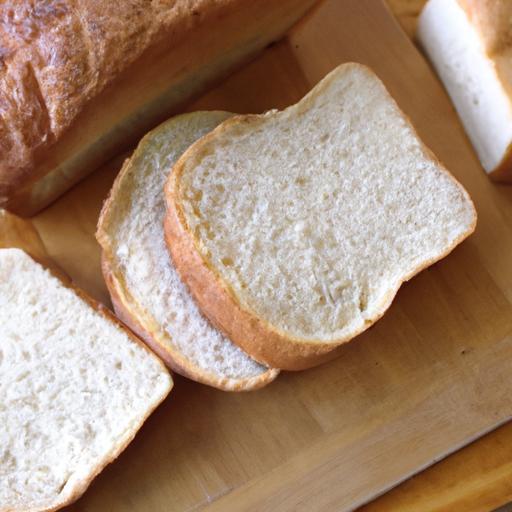
- Cool wholly: Transfer your bread to a wire rack and cool fully before slicing for clean cuts and optimal texture.
tips for Success
- Use warm water precisely around 105-110°F to gently wake the yeast without killing it.
- Kneading is key: resist the urge to rush. Well-developed gluten makes all the difference.
- Creating a humid baking environment by adding steam helps achieve a beautifully crackling crust.
- Don’t skip the second rise. It’s invaluable for lightness and complexity in your loaf.
- For a whole wheat variation,substitute half the bread flour with whole wheat flour and increase the water by 2 tablespoons.
- Try making dough ahead: after the first rise, refrigerate overnight and bake the next day for enhanced flavor.
Serving Suggestions
Savor your homemade bread warm, slathered with creamy butter, or paired with olive oil and balsamic vinegar for dipping. Garnish with freshly chopped rosemary or a sprinkle of flaky sea salt for elevated rustic charm. This loaf also shines alongside hearty soups and fresh cheeses, making it the centerpiece of both casual meals and festive gatherings.

| Nutritional info (per slice) | Calories | Protein | Carbs | Fat |
|---|---|---|---|---|
| 1 slice (approx. 60g) | 160 | 5g | 30g | 2g |
For a deeper dive into bread science, explore our Bread Baking Techniques guide or visit the King arthur Baking School for expert insight.
Q&A
Q&A: The Art and Science Behind Perfect homemade Bread Baking
Q: Why does homemade bread always feel like a magical achievement?
A: As bread baking is where art meets science! It’s a captivating dance between carefully measured ingredients and the natural fermentation process. Each loaf tells a story of patience, temperature, and touch – transforming humble flour and water into a warm, fragrant masterpiece.
Q: What’s the secret to that perfect crust-crisp, golden, and crackling?
A: The crust’s magic comes from a combination of moisture and heat. Steaming your oven early in baking creates a humid environment that allows the dough to expand fully before the crust sets. As the steam dissipates, your bread develops that gorgeous, crunch-worthy exterior.
Q: Why is kneading so significant, and can it be overdone?
A: Kneading is the bread baker’s workout-it develops gluten strands that give bread its structure and chewiness. Think of gluten as an elastic web that traps the gases produced by yeast, helping the dough rise beautifully. But overkneading? It’s like overstretching a rubber band-it can make the dough tough and dense. Finding the sweet spot comes with feel and experience.
Q: Does the type of flour really make a big difference?
A: Absolutely! Flour is the foundation of your loaf. Bread flour, with its higher protein content, builds more gluten, resulting in a chewier, airier crumb. All-purpose flour can work, but expect a softer, less structured bread. Experimenting with different flours-from whole wheat to rye-can elevate your bread’s flavor and texture in exciting ways.
Q: How critical is fermentation time, and what exactly happens during it?
A: Fermentation is bread’s “secret performance.” During this time,yeast feasts on sugars in the dough,producing carbon dioxide (which makes your bread rise) and flavorful byproducts that give bread its characteristic tang and complexity. Underfermentation yields a flat loaf; overfermentation can cause the dough to collapse. Perfect timing often depends on temperature and humidity, turning your kitchen into a mini ecosystem.Q: Can I shortcut the process and still get good bread?
A: While there are speedy recipes out there, the slow, purposeful process of rising and proofing is where true flavor and texture develop. Think of it like brewing a fine wine versus a quick cocktail-the time invested rewards you with depth of taste and a better crumb.
Q: What role does hydration play in homemade bread?
A: Hydration refers to the ratio of water to flour in your dough.Higher hydration doughs can create open,airy crumbs with large holes,but they’re trickier to handle becuase they’re stickier and looser.Lower hydration results in denser, tighter crumbs.Mastering hydration is like fine-tuning the consistency of your batter to find your bread’s signature personality.
Q: How can I tell if my bread is fully baked without cutting into it?
A: The classic trick is to tap the bottom of the loaf-it should sound hollow like a satisfying drumbeat. A fully baked bread has also developed a deep golden crust and feels lighter than expected. Using an instant-read thermometer can add precision-the internal temperature should hover around 190-210°F (88-99°C) depending on the type of bread.
Q: Any tips for baking bread in a home oven without fancy equipment?
A: Absolutely! You don’t need a professional oven or steam injection. Try placing a tray of hot water at the bottom of your oven for steam or bake your bread in a Dutch oven with the lid on to trap moisture. Preheat your baking vessel so your dough hits hot surfaces right away. And don’t forget to experiment-the best bread often comes from creativity and persistence!
Baking bread isn’t just cooking; it’s an alchemy of ingredients, time, and care-a tradition that connects us to cultures, history, and sensory joy. With a bit of knowledge and love, your homemade bread can become your daily work of art and science.
Wrapping Up
As the comforting aroma of freshly baked bread fills your kitchen and the crust cracks with a satisfying snap, you realize that perfecting homemade bread is truly a dance between art and science. Each loaf tells a story-of carefully measured ingredients,the patient rise of dough,and the timeless techniques passed down through generations. By embracing both the precise chemistry and the intuitive craft, you transform simple elements into something extraordinary. So, whether you’re a meticulous experimenter or a passionate baker guided by feel, remember: every loaf is a delicious masterpiece waiting to be made. Happy baking!