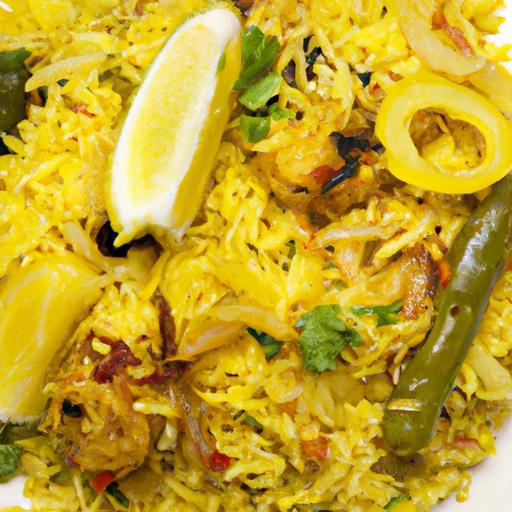

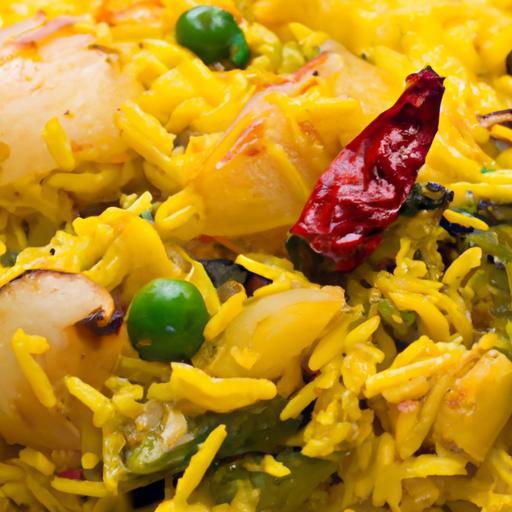
Along teh sun-kissed shores of East Africa, were the Indian Ocean’s gentle waves kiss vibrant markets and bustling ports, a culinary treasure weaves together cultures, spices, and stories-Swahili Biryani Rice. More than just a dish, it is a flavorful journey through the rich tapestry of coastal cuisine, where fragrant basmati rice mingles with marinated meats, aromatic spices, and a hint of coconut, telling tales of centuries-old trade routes and cultural fusion. In this article, we dive into the origins, ingredients, and techniques that make Swahili biryani Rice a beloved emblem of coastal heritage, inviting you to savor not only a meal but a vibrant history on every plate.
Swahili Biryani Rice is a vibrant culinary treasure rooted in the rich cultural tapestry of East Africa’s coastal region, blending bold spices and fragrant aromas that tell the story of centuries-old trade routes and cultural exchanges. This dish elegantly combines Indian biryani techniques with Swahili coastal flavors, creating a meal that’s both nostalgic and delightfully exotic. Growing up near the Indian Ocean, I’ve witnessed how every family adds its unique touch, making every pot of Swahili Biryani Rice a soulful celebration of heritage and home.
Prep and cook Time
- Readiness: 20 minutes
- Cooking: 40 minutes
Yield
Serves 6 hearty portions
difficulty Level
Medium – requires attention to layering and spice balance
Key Ingredients That Define Coastal Flavors
- 3 cups basmati rice, rinsed and soaked for 30 minutes
- 500g boneless chicken thighs, cut into chunks
- 2 large onions, thinly sliced
- 4 cloves garlic, minced
- 1-inch fresh ginger, grated
- 2 tomatoes, finely chopped
- 1/2 cup plain yogurt
- 3 tbsp Swahili biryani masala (blend of cardamom, cloves, cinnamon, coriander, and local spices)
- 1/2 tsp turmeric powder
- 1 tsp chili powder
- 4 tbsp vegetable oil or ghee
- 1 cup coconut milk
- 1/2 cup fresh coriander leaves, chopped
- 1/4 cup mint leaves, chopped
- 1 tbsp rose water or kewra water
- 4 cups water
- Salt, to taste
- Handful of fried cashew nuts and raisins (optional garnish)
Step-by-Step Guide to Authentic Swahili biryani Preparation
- Prepare the rice: rinse basmati rice until water runs clear to remove excess starch. Soak for 30 minutes,then drain.
- Cook the chicken marinade: In a large pot, heat oil or ghee over medium heat. Sauté sliced onions until golden and caramelized, about 10 minutes – stirring occasionally to prevent burning.
- Add garlic and ginger: Stir in minced garlic and grated ginger until aromatic, about 2 minutes.
- Incorporate spices and tomatoes: Mix in Swahili biryani masala, turmeric, and chili powder. Add tomatoes and cook until softened, about 5 minutes, stirring often.
- Marinate chicken: Add chicken chunks, yogurt, salt, and half the chopped coriander and mint. Cook until chicken is halfway done, about 10 minutes, stirring occasionally.
- Simmer coconut milk: Stir in coconut milk and rose water, reduce heat to low, cover and simmer for 15 minutes until chicken is tender and sauce thickened.
- Parboil the rice: Simultaneously occurring,bring 4 cups water to boil in a separate pot,add salt,and parboil drained rice until it’s about 70% cooked (grains should still have a bite). Drain rice thoroughly.
- Layer the biryani: In a heavy-bottomed pot or Dutch oven, create alternating layers – start with a layer of chicken mixture, followed by rice, then sprinkle with remaining coriander, mint, fried cashews, and raisins if using. Repeat layers until all ingredients are used, finishing with a rice layer on top.
- Steam cook (dum): Cover the pot with a tight-fitting lid or seal with foil and place the lid on top. Cook on low heat for 20-25 minutes to allow flavors to meld and rice to fully steam through.
- Rest and fluff: Remove from heat, let sit covered for 10 minutes. Gently fluff rice with a fork before serving to keep grains separate and fluffy.
Chef’s Notes and Tips for Success
- Spice blend: Substitute Swahili biryani masala with a homemade mix of cardamom, cloves, cinnamon, and coriander seeds for authentic aroma.
- Protein variations: Swap chicken with goat meat, beef, or prawn for regional variations – adjust cooking time accordingly.
- Rice texture: Parboiling rice tempers stickiness; don’t skip this step for a light, fluffy biryani.
- Make-ahead tip: Chicken mixture can be prepared a day in advance; refrigerate and assemble the next day for deeper flavor.
- Heat control: use a diffuser or low flame during the dum process to avoid burning the bottom.
Pairing Suggestions and Serving Tips for an Unforgettable Meal
Serve swahili Biryani Rice hot, accompanied by a cooling raita (yogurt cucumber salad), and tangy kachumbari (fresh tomato and onion salad). A side of mango chutney or lime pickle elevates the vibrant spices beautifully. Garnishing with fresh coriander, toasted nuts, and golden fried onions adds texture and bursts of flavor that delight every bite.
Accompany this dish with refreshing ginger or cardamom chai for a complete coastal dining experience brimming with warmth and nostalgia.
| Nutrient | Per Serving (approx.) |
|---|---|
| Calories | 480 kcal |
| Protein | 32 g |
| Carbohydrates | 55 g |
| fat | 12 g |
Discover more about coastal spices and elevate your culinary repertoire. For deeper historical context on Swahili culinary traditions, visit Britannica’s Swahili culture page.

Q&A
Q&A: Swahili Biryani Rice – A Flavorful Journey Through Coastal Cuisine
Q1: What makes swahili Biryani Rice unique compared to other biryanis?
A1: Swahili Biryani is a vibrant tapestry woven from the rich cultural heritage of East Africa’s coastal region. Unlike its Indian counterparts,this biryani embraces a delicate balance of aromatic spices,coconut milk,and indigenous ingredients like pandan leaves and cloves,which infuse the rice with a distinctive fragrance and subtle sweetness. The use of fresh seafood or tender meats, marinated in a harmonious blend of spices, sings the flavors of the Swahili coast, making each bite a celebration of history and oceanic bounty.Q2: How did Swahili Biryani originate?
A2: Swahili Biryani is the culinary offspring of centuries-old trade routes between East Africa, the Arabian Peninsula, India, and beyond. Traders and settlers brought spices, rice varieties, and cooking techniques that mingled with local ingredients and traditions. The result is a unique dish that mirrors the diverse, multicultural fabric of the Swahili coast. This biryani tells a story of global exchange, with every grain steeped in the tales of merchants, sailors, and communities coming together.
Q3: What are the key ingredients in Swahili Biryani Rice?
A3: The soul of Swahili Biryani lies in fragrant long-grain rice, usually basmati, cooked alongside star anise, cardamom, cinnamon sticks, and cloves. Coconut milk adds a creamy depth,while fresh herbs such as coriander and mint bring brightness. Protein varies-from succulent chicken and goat to fresh seafood like prawns or fish-often marinated in yogurt and a blend of spices including turmeric, cumin, and garam masala. The final dish is layered and slow-cooked, achieving a perfect harmony of flavors and textures.
Q4: How is Swahili Biryani traditionally prepared?
A4: Preparation is an artful ritual combining marination, layering, and steam-cooking, known locally as “dum.” The marinated meat is gently cooked with onions and spices until tender. Then, partially cooked rice is layered over the meat mixture, sometimes interspersed with fried onions, nuts, and raisins. the pot is sealed, often with dough, to trap steam, allowing the flavors to meld and the rice to absorb every hint of seasoning.This slow-cooking technique ensures that each serving is aromatic, moist, and bursting with coastal charm.
Q5: What cultural importance does Swahili Biryani hold on the coast?
A5: Beyond its savory appeal,swahili Biryani is a dish of celebration,hospitality,and community. It graces weddings, festive gatherings, and religious holidays along the coast, symbolizing generosity and the coming together of families and friends. Its preparation and sharing underscore cherished values of the Swahili people-unity, respect, and the joy of nourishing one another. In every spoonful, you taste not just spices, but stories of tradition passed through generations.
Q6: Can Swahili Biryani be adapted for modern tastes or dietary needs?
A6: Absolutely! While honoring tradition, Swahili biryani is wonderfully versatile. Vegetarians can substitute meat with mushrooms, jackfruit, or hearty vegetables without losing the dish’s rich flavor. Those seeking lighter versions might reduce coconut milk or opt for brown rice varieties, embracing a wholesome twist. Experimenting with local herbs and spices allows home cooks to personalize their biryani, keeping the essence alive while tailoring it to contemporary palates.
Q7: Where can one experience authentic Swahili biryani?
A7: To truly savor Swahili Biryani, journey to the coastal towns of Kenya and Tanzania-places like Mombasa, Lamu, and Zanzibar, where the aroma of spices fills bustling markets and open-air kitchens. Many family-run restaurants and street vendors continue the legacy, serving biryani made from scratch with passion and care. For those afar, recreating this dish at home, using authentic spices and fresh ingredients, offers a delicious passport to the enchanting shores of the Swahili coast.
Embark on this flavorful journey through Swahili Biryani Rice and taste the history, culture, and ocean breeze that define coastal East African cuisine-one fragrant spoonful at a time.
Closing Remarks
As the fragrant spices of Swahili Biryani Rice linger on the palate, so too does the rich tapestry of coastal culture and history it represents. This vibrant dish is more than just a meal-it’s a flavorful journey through centuries of trade, tradition, and togetherness along East Africa’s shores. Whether served at festive gatherings or enjoyed in everyday moments, Swahili Biryani invites us to savor not only its complex layers of taste but also the stories and soul of a coastal cuisine that continues to unite communities. In every bite, the legacy of Swahili heritage endures, reminding us that food is truly the language that connects us all.