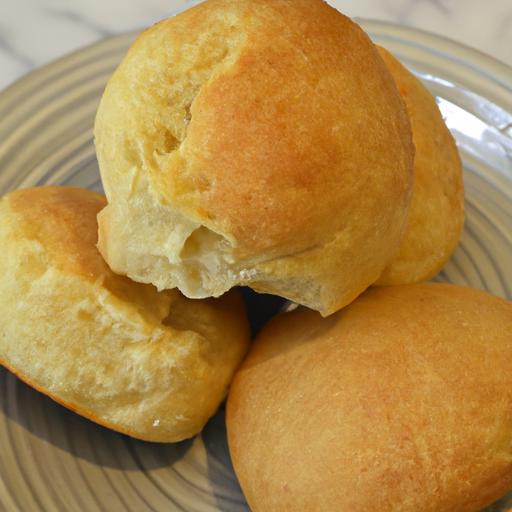
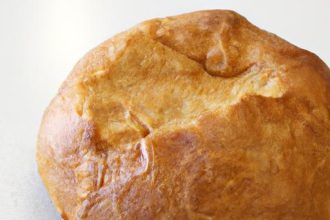

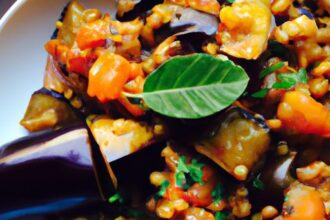
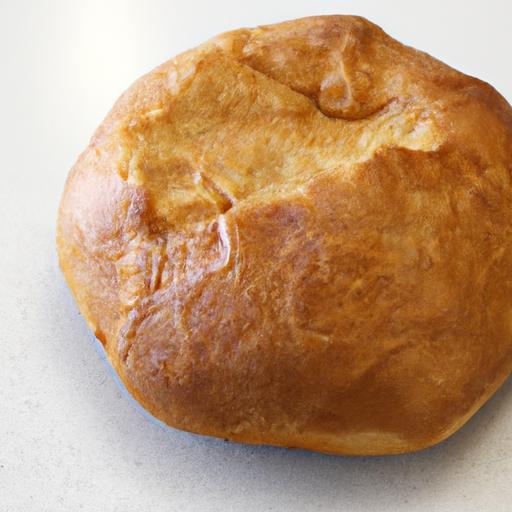
In the heart of Africa’s rich culinary tapestry lies a story kneaded with history, culture, and flavor-one that unfolds with every loaf of traditional bread shared around the family table. “Savoring Tradition: Authentic African Bread Recipes Unveiled” invites you on a sensory journey across the continent,where centuries-old recipes have been lovingly preserved and passed down through generations. From the airy injera of Ethiopia to the golden mawe of West africa, these breads are far more than mere sustenance; they are edible heirlooms that carry the essence of heritage and community. Join us as we explore the textures, ingredients, and techniques that make these African breads uniquely authentic, giving you the tools and inspiration to bring a taste of tradition into your own kitchen.
Savoring Tradition: Authentic African Bread Recipes Unveiled invites you to embark on a flavorful journey through Africa’s rich culinary tapestry. Each bread tells a unique story-passed down through generations,every loaf embodies the diverse cultures and indigenous ingredients that make African baking truly distinctive. Whether its the fermented sourdough of Ethiopia’s injera or the sweet, fluffy textures of Nigerian agege bread, these breads are more than sustenance-they are edible connections to heritage and history.
Prep and Cook Time
- Readiness: 30 minutes
- Fermentation/Rising: 1 to 2 hours (varies by recipe)
- Cooking/Baking: 20 to 40 minutes
Yield
Serves 6-8 people, depending on the bread type and serving size.
Difficulty level
Medium – ideal for home bakers looking to expand their skills with traditional techniques and ingredients.
Key Ingredients That Bring Authentic African Flavors to Life
- 1 cup teff flour – the heart of Ethiopian injera, lending a subtle sourness and unique texture
- 2 cups all-purpose flour, sifted – versatile base for many African breads like agege and chapati
- 1 ½ teaspoons instant yeast – essential for light, fluffy doughs
- 1 teaspoon sugar – balances sour flavors and activates yeast
- 1 ¼ cups warm water – helps develop gluten and fermentation
- 2 tablespoons vegetable oil or melted palm oil – adds moisture and rich aroma
- 1 teaspoon salt – enhances flavor and controls yeast activity
- optional spices: cardamom, cloves, or coriander for aromatic hints
- Millet or sorghum flour – regional flour alternatives for varied textures and tastes
Step by Step Guide to Mastering Traditional African Bread Baking
- Prepare the starter: In a medium bowl, mix teff flour, ½ cup warm water, and a pinch of yeast. Cover and leave to ferment at room temperature for 12-24 hours, until bubbly and slightly sour.
- Mix dry ingredients: In a large bowl, combine the all-purpose flour, sugar, salt, and remaining yeast. Stir well to distribute evenly.
- Incorporate liquids: Add the fermented teff starter, remaining warm water, and oil to the dry mixture. Use a wooden spoon or your hands to stir until a shaggy dough forms.
- Knead the dough: Transfer to a floured surface and knead for 8-10 minutes.The dough should be elastic and slightly tacky-not sticky. Add flour sparingly if too wet.
- First rise: shape the dough into a ball, place in a lightly oiled bowl, cover with a damp cloth, and let rise in a warm spot for 1 to 1.5 hours, until doubled in size.
- Shape the breads: Punch down the dough gently and divide into even portions. Shape each portion into round or oval loaves-traditional shapes vary regionally.
- Second rise: Arrange loaves on a parchment-lined baking tray, cover, and let rise again for 30 minutes.
- Bake to perfection: Preheat oven to 425°F (220°C). Optionally, place a pan of hot water below to create steam. bake loaves for 25-35 minutes until golden brown and hollow sounding when tapped.
- Cool and rest: Transfer breads to a wire rack to cool completely. This allows crumb structure to set and flavors to deepen.
Tips for Success When Savoring Tradition: Authentic African Bread Recipes Unveiled
- Fermentation finesse: longer fermentation develops complex sour notes, especially in injera-style breads. Adjust timing based on room temperature.
- Flour swaps: Experiment by replacing all-purpose flour with millet or sorghum flour to emulate regional breads across West Africa.
- Moisture management: Dough hydration levels vary-stickier dough yields softer crumb but can be trickier to handle.
- steam injection: Adding steam during baking enhances crust softness typical in many African breads like agege.
- Make ahead: Dough can be refrigerated overnight after the first rise to deepen flavor and allow flexible baking times.
Pairing Suggestions to Elevate Your African Bread Experience
Enjoy your freshly baked African breads alongside traditional dishes for an authentic experience. As an example, injera pairs beautifully with spicy stews like doro wat, a rich Ethiopian chicken stew. Soft agege bread is perfect for breakfast with a drizzle of honey and a spread of creamy butter or dipped into aromatic Nigerian pepper soup.
Sprinkle breads with toasted sesame seeds or drizzle with palm oil butter for added texture and aroma. Serve warm with fresh vegetables, chutneys, or flavorful dips like harissa or chermoula to bring out the vibrant flavors.

| Nutrient | Per Serving |
|---|---|
| Calories | 180 kcal |
| Protein | 5 g |
| Carbohydrates | 35 g |
| Fat | 3 g |
For a deeper dive into traditional African cooking techniques, visit our Ultimate African Cuisine Guide, helping you unlock bold flavors and authentic methods in your own kitchen.
Q&A
Q&A: Savoring Tradition – Authentic African Bread Recipes Unveiled
Q1: What makes African bread recipes unique compared to other global bread traditions?
A1: African bread recipes are a beautiful tapestry of cultural heritage, local ingredients, and diverse cooking techniques. Unlike typical Western bread that often relies on wheat flour and yeast, many African breads incorporate indigenous grains like millet, sorghum, and teff. The result is a variety of textures and flavors-from dense and hearty to light and airy-all deeply connected to the land and history of the continent.
Q2: Can you highlight a few iconic African breads featured in the article?
A2: Absolutely! The article shines a spotlight on gems such as injera from Ethiopia, a spongy, sourdough flatbread made from teff flour; Moroccan Khobz, a round crusty bread perfect for dipping; and Nigerian Agege bread-a soft, slightly sweet loaf beloved across West Africa. Each bread tells a story, reflecting the culture and lifestyle of its region.
Q3: How do traditional African bread-making methods differ from modern techniques?
A3: Traditional methods often emphasize natural fermentation, hand-kneading, and baking over open flames or in clay ovens. These practices not only create unique flavors but also foster community bonds, since bread-making is often a shared, ritualistic event. Modern techniques streamline the process but sometimes miss the soulful essence imbued in the time-honored approaches.
Q4: Are these authentic African bread recipes accessible for home bakers outside Africa?
A4: Definitely! While some ingredients might require a trip to specialty stores or online markets, the article provides helpful substitutions and tips to approximate authentic flavors. Plus, the recipes encourage improvisation-inviting bakers worldwide to experiment with local grains and fermentation methods to savor tradition in their own kitchens.
Q5: Why is it crucial to preserve and share authentic African bread recipes today?
A5: Preserving these recipes is an act of cultural celebration and resistance against homogenization. African breads are carriers of identity, history, and ancestral wisdom. Sharing them educates others about the continent’s rich culinary landscape and supports a deeper gratitude for diversity in global food traditions.
Q6: What is the best way to enjoy these traditional African breads?
A6: The beauty of these breads lies in their versatility-they can accompany savory stews, spicy sauces, or be enjoyed simply with butter or honey. For example, Injera doubles as both a plate and utensil for flavorful Ethiopian dishes, while Moroccan Khobz is perfect for soaking up tagine juices. The article invites readers to embrace the communal spirit of African dining by sharing bread around the table.
Q7: Are there any health benefits associated with traditional African breads?
A7: Many African breads, especially those made from whole grains like millet and teff, pack significant nutritional value-rich in fiber, vitamins, and minerals. Natural fermentation enhances digestibility and adds probiotics, contributing to gut health. These wholesome characteristics align with the holistic approach to food common in many African cultures.
Whether you’re a seasoned baker or an adventurous foodie, diving into authentic African bread recipes is more than a culinary journey-it’s savoring centuries of tradition, one slice at a time.
The Conclusion
As we close this chapter on the rich tapestry of African bread traditions, it becomes clear that these humble loaves are much more than mere sustenance-they are edible stories, carrying generations of culture, community, and craftsmanship.From the warm aroma of freshly baked injera to the satisfying crunch of mandazi, each recipe invites us to savor not only the flavors but also the heritage embedded within every bite. by embracing these authentic African bread recipes, we don’t just recreate dishes; we honor the time-honored rituals and vibrant histories that continue to nourish both body and soul. So, whether you’re kneading dough in a bustling city kitchen or sharing bread around a fireside in a distant village, may these recipes inspire you to connect, celebrate, and taste the true essence of Africa’s culinary legacy.