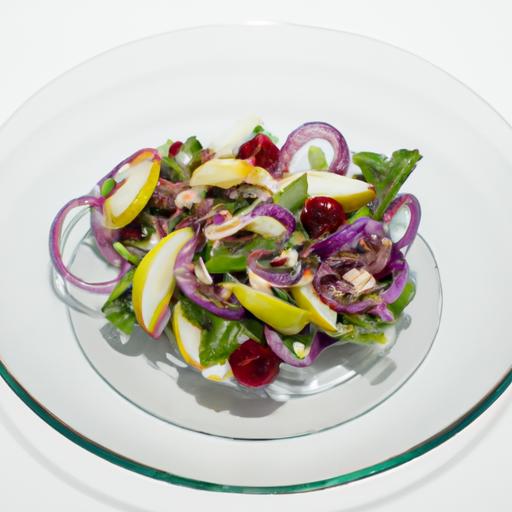

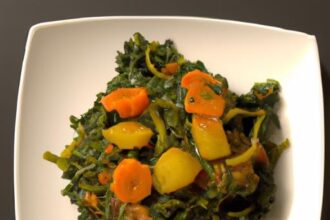
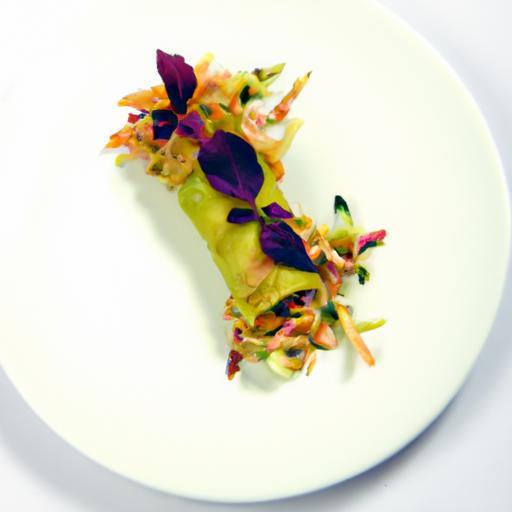
In a culinary world that continuously pushes the boundaries of taste and texture, gluten-free cooking has emerged from a niche necessity to a playground of innovation. gone are the days when gluten-free meant sacrificing flavor or settling for bland substitutes.Today,chefs and home cooks alike are unleashing a spectrum of inventive techniques that transform naturally gluten-free ingredients into vibrant,mouthwatering dishes. “Crafting Flavor: Innovative Gluten-Free Cooking Methods Unveiled” delves into this exciting evolution, revealing how creativity and science blend to elevate gluten-free cuisine beyond expectation. Whether you’re navigating dietary restrictions or simply seeking new gastronomic adventures, prepare to discover methods that bring boldness, texture, and richness to every bite-without a trace of gluten.
Crafting Flavor: Innovative Gluten-Free cooking Methods Unveiled
Crafting flavor in gluten-free cooking unlocks a whole new world of textures and tastes by embracing ancient grains, fermentation techniques, moisture mastery, and bold spices. this recipe demonstrates how these elements come together in a delightfully moist and aromatic gluten-free millet and buckwheat flatbread infused with a vibrant turmeric and cumin spice blend. Perfect as a versatile side or a wrap, it shows how innovation elevates gluten-free dishes beyond expectation.
Prep and Cook Time
- Prep Time: 20 minutes
- Cook Time: 15 minutes
- Total Time: 35 minutes
Yield
Serves 4 as a side or light main
Difficulty Level
Medium
Ingredients
- 1 cup millet flour, finely ground
- ½ cup buckwheat flour, sifted
- 1 tsp baking soda
- ½ tsp sea salt
- 1 tsp ground turmeric (for bold flavor and golden colour)
- 1 tsp ground cumin
- 1 cup kefir or plain yogurt (fermentation enhancer for moisture and tenderness)
- ¼ cup water, adjust for batter consistency
- 2 tbsp olive oil, plus extra for cooking
- 1 tbsp raw honey (optional for gentle sweetness and enhanced fermentation)
- Fresh chopped cilantro or parsley (for garnish)
Instructions
- Combine dry ingredients: In a large bowl, whisk together millet flour, buckwheat flour, baking soda, sea salt, turmeric, and ground cumin. This creates the flavorful foundation of your flatbread.
- Mix wet ingredients: In a separate bowl, stir kefir, water, olive oil, and honey until well combined. the kefir’s fermentation not onyl boosts moisture but also lends a subtle tanginess that balances spices perfectly.
- Form the batter: Pour the wet mixture into the dry ingredients and gently fold together until just combined. The batter should be thick but pourable – add an extra teaspoon of water if needed. Avoid overmixing to preserve texture.
- Rest the batter: Cover the bowl with a clean towel and let rest for 20 minutes at room temperature. This rest time allows the fermentation process to develop, enhancing flavor and tenderness.
- Heat your pan: Warm a non-stick skillet or cast iron pan over medium heat and brush lightly with olive oil.
- Cook the flatbread: Pour approximately ¼ cup of batter into the skillet, spreading gently with the back of a spoon to form a 6-inch round. Cook for about 4-5 minutes until edges are set and the bottom is golden brown. Flip carefully, cooking the second side for 3-4 minutes until cooked through and slightly puffed.
- Repeat with remaining batter, brushing pan with oil as needed to prevent sticking.
- Keep warm: Stack cooked flatbreads wrapped in a clean kitchen towel to retain moisture and softness.
Chef’s notes
- Substitutions: For kefir, you can use plain unsweetened yogurt or a dairy-free cultured coconut yogurt to maintain the fermentation benefits.
- Spice Variations: Try swapping cumin and turmeric for smoked paprika and coriander for a smoky, citrusy twist.
- Texture Tip: The batter may appear slightly grainy due to the ancient grains – this is normal and adds rustic charm.
- Make-ahead: The batter can be prepared the night before, refrigerated, then brought to room temperature before cooking for intensified flavors.
- Storage: Leftover flatbreads keep well in an airtight container for 2 days, or freeze for up to one month.
Serving Suggestions
This spiced gluten-free flatbread pairs beautifully with:
- Grilled vegetables drizzled with tahini sauce
- Smoked salmon and cream cheese for an elegant brunch
- A dollop of chilled avocado crema and fresh herb salad
- Spicy chickpea or lentil curry for a comforting meal
Garnish with fresh chopped cilantro or parsley and a light sprinkle of toasted sesame seeds for appealing contrast and added texture.
| Nutrient | Per Serving |
|---|---|
| Calories | 220 kcal |
| Protein | 6 g |
| Carbohydrates | 35 g |
| Fat | 7 g |
 innovative gluten-free cooking methods unveiled – golden turmeric millet flatbread with fresh herbs” class=”wp-image-1234″ />
For deeper insight into gluten-free fermentation benefits, visit the Science Daily fermentation research. To explore further creative gluten-free baking techniques, check out our thorough guide to moisture mastery in gluten-free baking.
Q&A
Q&A: Crafting Flavor – Innovative Gluten-Free Cooking Methods Unveiled
Q1: Why is innovation vital in gluten-free cooking?
Answer: Innovation breathes new life into gluten-free cooking by transforming it from a limited substitute into a world of vibrant flavors and textures. Traditional gluten-free dishes often rely on basic ingredients that can be bland or crumbly. Innovative methods break these barriers, allowing chefs and home cooks alike to create meals that are not just safe for those with gluten sensitivities but truly satisfying and exciting.
Q2: What are some lesser-known gluten-free flours that elevate flavor?
Answer: Beyond the familiar rice and almond flours, inventive cooks turn to exotic options like teff, chestnut, and buckwheat. teff offers a nutty, slightly sweet taste rich in nutrients, perfect for bread and pancakes. Chestnut flour imparts a delicate earthiness, enhancing desserts and baked goods. Buckwheat provides a robust, hearty flavor ideal for savory crepes and noodles, adding depth without gluten’s chewy texture.
Q3: How can fermentation enhance gluten-free dishes?
Answer: Fermentation is a culinary game-changer for gluten-free recipes. It improves digestibility, introduces complex tangy notes, and creates airy textures naturally. Using fermented batters, like sourdough starters made from gluten-free grains, results in bread with improved rise and crumb. Fermented vegetables and cultured dairy also bring vibrant, probiotic-rich accompaniments that amplify flavor profiles in gluten-free meals.
Q4: What cooking techniques help mimic gluten’s texture?
Answer: Gluten provides elasticity and chewiness, so recreating this can be tricky. Innovative cooks use techniques like hydrating flours with psyllium husk or chia seeds to form gels that bind ingredients, giving doughs stretch. sous-vide cooking preserves moisture and tenderness in gluten-free proteins and vegetables, while pressure steaming helps achieve moist, fluffy baked goods that feel indulgent without gluten.
Q5: Can layering flavors compensate for the absence of gluten?
answer: Absolutely! Layering flavors is like painting with a full palette instead of just one color. As some gluten-free staples have mild tastes, combining herbs, spices, umami-rich ingredients, and smoke or acid creates multidimensional dishes.For example, a gluten-free risotto might sing with roasted garlic, sautéed mushrooms, fresh herbs, and a squeeze of lemon-each element harmonizing for a thrilling bite.
Q6: how does embracing global gluten-free cuisines inspire innovation?
Answer: Exploring global gluten-free traditions unlocks a treasure trove of ideas. From Ethiopian injera (teff-based sourdough flatbread) to Japanese mochi made from sweet rice, these cuisines demonstrate unique textures and cooking methods that defy gluten dependence. Incorporating such influences encourages creative fusion and expands the gluten-free repertoire with dishes steeped in culture and bold flavors.
Q7: What role do technology and kitchen gadgets play in advancing gluten-free cooking?
Answer: Modern technology accelerates gluten-free innovation by enhancing precision and consistency. high-powered blenders create superfine flour blends; stand mixers with dough hooks simulate gluten advancement through mechanical kneading of alternatives; steam ovens maintain optimal moisture levels; and air fryers produce crispy textures without heavy batters.These tools empower cooks to experiment fearlessly and achieve professional results.
Q8: Where should a novice start experimenting with gluten-free innovation?
Answer: Begin with familiar recipes you love and swap in gluten-free counterparts while experimenting with new flours and binders. Try making a sourdough starter with gluten-free grains, or add fermented ingredients to enhance flavor.Familiarize yourself with hydration techniques like soaking and fermenting seeds or pulses. Most importantly, embrace curiosity-culinary innovation is a journey sparked by small, inspired steps.
This Q&A aims to illuminate the exciting frontier of gluten-free cooking, showcasing how creativity and technique combine to craft flavorful, textured dishes that celebrate both health and taste.
Concluding Remarks
As the landscape of gluten-free cooking continues to evolve, these innovative methods not only redefine flavor but also expand the boundaries of what’s possible in the kitchen. By embracing creativity and science, chefs and home cooks alike can craft dishes that are as satisfying as they are safe, turning dietary restrictions into opportunities for culinary exploration. Whether you’re a seasoned gluten-free cook or just beginning your journey, these techniques invite you to experiment boldly and savor every bite-a true party of flavor, without compromise.