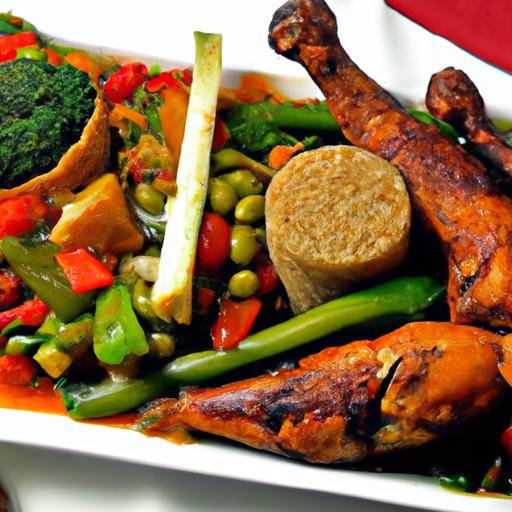
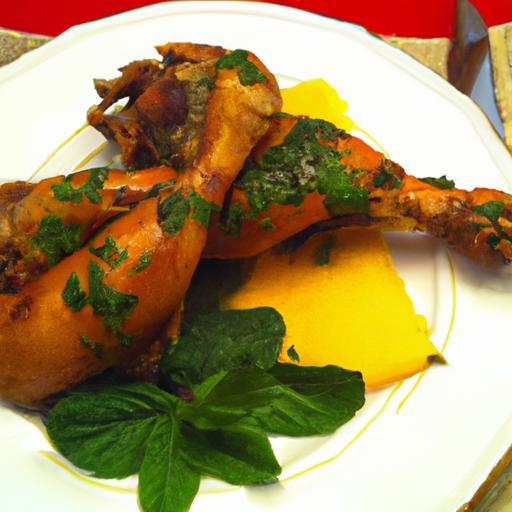
Nestled within the vibrant culinary tapestry of Central Africa lies a dish that captures the essence of Gabonese heritage and flavor: Poulet Nyembwe. This savory chicken stew, lovingly simmered in a rich, velvety palm butter sauce, is more than just a meal-its a taste journey weaving together tradition, culture, and nature’s bounty. As the smoky, nutty aroma of palm butter fills the air, Poulet Nyembwe invites food lovers to explore a dish that is both comfort and celebration, embodying the heart and soul of Gabonese cuisine. Join us as we uncover the story behind this beloved delicacy and discover how its unique blend of ingredients creates a truly unforgettable dining experience.
Gabonese Poulet Nyembwe is a beloved culinary jewel hailing from Gabon, celebrated for its rich, velvety texture and deeply savory notes derived from native palm butter. This dish embodies both tradition and warmth, weaving together the cultural heartbeat of Gabonese cuisine with the comforting aromas of simmered chicken and spices. My first encounter with Poulet Nyembwe awakened my palate to a vibrant symphony of flavors, reminding me how food powerfully connects us to heritage and community.
Prep and Cook Time
- Preparation: 20 minutes
- Cooking: 1 hour 15 minutes
- Total Time: 1 hour 35 minutes
Yield
Serves 4 generously
Difficulty Level
Medium – Perfect for those ready to explore authentic African flavors with confident guidance.
Key Ingredients That Bring Authentic Flavor to Gabonese Chicken Palm Butter
- 1.5 lbs (700g) bone-in chicken pieces (thighs and drumsticks for juiciness)
- 3 cups palm nut pulp (fresh or canned)
- 1 large onion, finely chopped
- 4 garlic cloves, minced
- 1 thumb-sized piece of ginger, grated
- 2 fresh chili peppers (adjust to taste)
- 2 tbsp palm oil (to enhance the signature flavor)
- 1 tbsp tomato paste
- 1 tsp smoked paprika (optional, adds depth)
- Salt and freshly ground black pepper, to taste
- 2 cups chicken broth (preferably homemade or low sodium)
- 1 sprig fresh thyme
- 1 bay leaf
- Fresh parsley or coriander, for garnish
Step by Step Guide to Perfecting Your Poulet Nyembwe at Home
- Prepare the chicken: Rinse and pat dry the chicken pieces.Season liberally with salt and pepper. For even cooking, let it rest at room temperature for 15 minutes.
- Sear the chicken: Heat 1 tbsp of palm oil in a heavy-bottomed skillet over medium-high heat. Add chicken pieces skin-side down and cook until golden brown, about 6 minutes per side. Remove and set aside.
- Sauté the aromatics: In the same pan, add the remaining palm oil. Sauté the chopped onions, minced garlic, and grated ginger until fragrant and translucent, about 5 minutes.
- Add tomato paste and spices: Stir in tomato paste, smoked paprika, and chopped fresh chilies. Cook 2 minutes to caramelize and deepen flavor.
- Incorporate the palm nut pulp: Add the palm nut pulp, stirring to combine. Slowly pour in the chicken broth, stirring to create a luscious sauce.
- Simmer the chicken: Return the browned chicken pieces to the pan,nestling them into the sauce. Add thyme sprig and bay leaf. Reduce heat to low, cover, and simmer gently for 45 minutes, turning the chicken halfway through. The sauce should thicken and reduce to a rich consistency.
- Final seasoning and garnish: Remove thyme and bay leaf. Taste and adjust salt and pepper. Garnish with freshly chopped parsley or coriander before serving.
Chef’s Notes: Tips for Success
- palm Nut Pulp Substitution: If fresh palm nuts aren’t accessible, canned palm nut concentrate works beautifully and intensifies the flavor.
- Chicken Choices: Bone-in pieces add moisture and richness – skin-on preferred for a perfect crispy texture that contrasts with the silky sauce.
- Make Ahead: The flavor deepens overnight. Reheat gently on low, adding a splash of broth if needed to revive the sauce’s creaminess.
- Spice Balance: adjust chili quantity according to heat preference; the palm butter’s mellowness complements both mild and spicy versions.
- Visual Appeal: Use fresh herbs for a burst of color and bright fragrance that enlivens every plate.
Pairing Suggestions and Serving Tips to Elevate Your Nyembwe Experience
To authentically enjoy Poulet Nyembwe, serve alongside steamed white rice or fufu, wich perfectly soak up the rich palm butter sauce. For a fresh contrast, prepare a crisp salad of sliced tomatoes and onions dressed with a light vinaigrette. A chilled glass of dry white wine, such as sauvignon Blanc, or a refreshing hibiscus tea complements the dish’s robust flavors beautifully. Garnish with vibrant herbs and a wedge of lime to bring a bright,citrusy lift to each bite-this transforms a comforting meal into a complete,celebratory experience.
| Nutrient | Per Serving |
|---|---|
| Calories | 480 kcal |
| Protein | 35 g |
| Carbohydrates | 10 g |
| Fat | 30 g |
Explore another African chicken classic, Poulet Yassa for a tangy twist.
For deeper insight into palm oil’s culinary heritage and health impacts, visit Encyclopedia Britannica’s palm oil overview.

Q&A
Q&A: Discovering Gabonese Poulet Nyembwe – Savory Chicken in Palm Butter Delight
Q1: What exactly is Poulet Nyembwe?
A1: Poulet Nyembwe is a cherished dish from Gabon that celebrates the rich flavors of West-Central Africa. At its heart is tender chicken simmered in a luscious sauce made from palm fruit pulp-known as nyembwe-resulting in a savory, slightly sweet, and deeply aromatic stew that’s as comforting as it is indeed exotic.
Q2: What is palm butter, and why is it significant in this dish?
A2: Palm butter, or palm nut sauce, is a creamy, vibrant paste extracted from the pulped fruit of the oil palm. It carries a unique, nutty flavor with a hint of earthiness. In Poulet Nyembwe, palm butter acts as both the base and the soul of the dish, infusing the chicken with a luscious texture and authentic African essence that can’t be replicated by any other ingredient.
Q3: How is Poulet Nyembwe traditionally prepared?
A3: Traditionally, the chicken is marinated with aromatic spices and then browned to lock in its juices. The palm butter sauce is crafted by first boiling and pounding palm nuts to extract the oily pulp, which is then simmered alongside ingredients like onions, garlic, chili peppers, and sometimes local herbs. The chicken is then stewed in this rich sauce until tender, creating a perfectly balanced harmony of spice, sweetness, and savory depth.
Q4: What makes this dish uniquely Gabonese?
A4: While many West African countries have dishes featuring palm nut sauce, Poulet nyembwe’s distinct identity lies in its specific combination of spices, cooking methods, and the cultural reverence of palm fruits in Gabonese cuisine. It embodies Gabon’s culinary heritage-rich in tradition, resourcefulness, and regional flavors that tell stories of the land and its people.
Q5: What are the ideal pairings or side dishes to serve with Poulet Nyembwe?
A5: Poulet Nyembwe shines when served with simple, starchy sides that soak up its sumptuous sauce. Steamed white rice is the classic choice, offering a neutral canvas that allows the flavors to shine. It can also be accompanied by fufu (a soft, dough-like staple made from cassava or plantains), boiled yams, or even fried plantains for an added textural contrast and slight sweetness.
Q6: Can Poulet Nyembwe be adapted for modern or vegetarian diets?
A6: absolutely! While chicken is customary, the rich palm butter sauce pairs excellently with hearty vegetables like mushrooms, eggplants, or jackfruit for a vegetarian twist. Modern cooks sometimes incorporate plant-based proteins to honor the flavors while catering to varied dietary preferences, ensuring that Poulet Nyembwe’s soul endures in kitchens worldwide.
Q7: Why should food lovers explore Poulet Nyembwe?
A7: Poulet Nyembwe is more than a dish-it’s a cultural journey. For those eager to expand their culinary horizons,it offers a taste of Gabon’s vibrant flavors and a glimpse into African gastronomic artistry. Its harmonious blend of savory,sweet,and spicy notes invites adventurous palates to indulge in something both comforting and beautifully exotic.
Embark on a flavorful adventure with Gabon’s Poulet Nyembwe, and let the palm butter’s rich embrace tell you a delicious story from the heart of Africa.
final Thoughts
In the rich tapestry of Gabonese cuisine, Poulet Nyembwe stands out as a vibrant emblem of tradition, flavor, and culture. This savory chicken dish, lovingly simmered in creamy palm butter sauce, invites you to experience the heart of Central Africa on your plate. Whether you’re a seasoned foodie or a culinary adventurer, embracing Poulet Nyembwe is more than just tasting a meal-it’s an immersion into a heritage that celebrates bold flavors and communal warmth.So next time you crave something exotic yet comforting, let Gabon’s palm butter delight transport your senses and tell its delicious story one bite at a time.