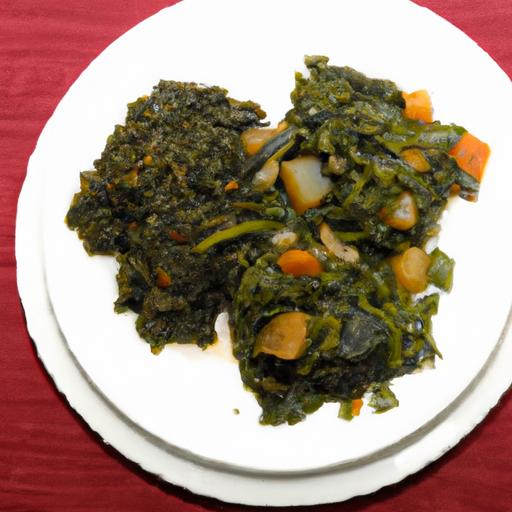
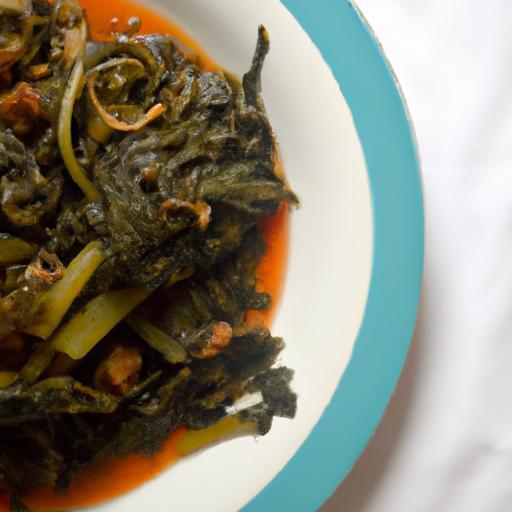
Nestled along the vibrant coast of West Africa, Sierra Leone is a land where culture and cuisine intertwine to create flavors as rich and diverse as it’s history. Among its culinary treasures, Afe Spinach Stew stands out-a dish that is much more than a meal; it is a heartfelt party of tradition, community, and the earth’s bounty. This beloved stew,bursting wiht tender greens,fragrant spices,and hearty ingredients,invites you to savor the essence of Sierra Leone’s heritage in every spoonful.Join us as we explore the origins, preparation, and cultural importance of Afe spinach Stew, a timeless recipe that continues to nourish both body and soul.
Savor Sierra Leone: The Rich Tradition of Afe Spinach Stew invites you on a culinary journey to the heart of West Africa, where this vibrant and hearty stew forms a cornerstone of Sierra Leonean heritage. Afe Spinach Stew is more than just a meal-it’s a celebration of local flavors, communal bonds, and timeless traditions passed through generations. Known for its luscious, leafy greens combined with a symphony of spices and protein-rich ingredients, this dish embodies the very essence of Sierra Leone’s rich cultural tapestry.
Prep and Cook Time
- Preparation: 20 minutes
- Cooking: 40 minutes
- Total Time: 1 hour
Yield
Serves 4-6 hungry guests, perfect for sharing and family-style dining.
Difficulty Level
Medium – approachable for cooks familiar with stew techniques and layering flavors.
Key Ingredients and Traditional Preparation Techniques
The backbone of authentic afe Spinach Stew is fresh or frozen bitterleaf (known locally as “afe”), which lends its unique earthy and slightly bitter notes that beautifully balance the rich, spicy broth. When traditional afe leaves are unavailable,spinach or collard greens serve as excellent substitutes,retaining texture and color.
Other essential ingredients include succulent smoked fish, dried shrimp, or meat cuts, juicy tomatoes, and fragrant onions. The stew’s warmth is heightened by chili peppers, garlic, and ginger, which marry to create a distinct, layered flavor profile. Palm oil, a staple in many West African kitchens, adds a rich, vibrant hue and silky body, delivering authentic mouthfeel and aroma.
The preparation begins by carefully washing and blanching the leafy greens to soften their natural bitterness. Next, sautéing the aromatics in palm oil awakens their flavors before adding proteins and simmering the mixture slowly. Throughout cooking, occasional stirring ensures the stew develops a thick, luxurious consistency.
Pairing Afe Spinach Stew with Local Staples for an Authentic Experience
No experience savoring Afe Spinach Stew is complete without pairing it with traditional Sierra Leonean staples. Rice-whether steamed white rice or fragrant jollof rice-is a classic accompaniment, providing a neutral palette that soaks up the flavors. For a more rustic feel, serve alongside fufu or garri, which are starchy dough-like sides made from cassava or yam. These sides add a chewy contrast and help balance the stew’s robust spice and texture.
Adding a side of fried plantains or groundnut sauce further deepens the meal’s authenticity. Together,these components form a harmonious plate brimming with tradition,comfort,and satisfying complexity.
Tips for Sourcing Ingredients and Crafting the Perfect Stew at Home
Creating the perfect Afe Spinach Stew starts with sourcing fresh, quality ingredients. To replicate authentic flavors:
- Seek out African or international markets for smoked fish and dried shrimp. These impart deep umami and smoky notes essential to the stew’s character.
- If palm oil isn’t accessible locally,look for online specialty food retailers or substitute a mix of vegetable oil with a touch of annatto for color,though flavor will slightly differ.
- Buy fresh leafy greens and blanch them to reduce bitterness, then drain thoroughly to avoid watery stew.
- Use ripe, vine-fresh tomatoes or high-quality canned plum tomatoes to enrich the base, balancing acidity with natural sweetness.
- Patience is key: simmer the stew over low heat, allowing flavors to meld beautifully. Stir gently to prevent burning on the bottom of the pot.
For home cooks, remember: experimentation is welcome. Try varying protein additions like tender goat meat or leave it vegetarian with extra beans or mushrooms, adapting the dish to your preference while honoring the essence of sierra Leone’s culinary heritage.
Ingredients
- 4 cups fresh bitterleaf (afe) or spinach, washed and blanched
- 2 medium tomatoes, chopped
- 1 large onion, thinly sliced
- 3 cloves garlic, minced
- 1 inch fresh ginger, grated
- 1-2 Scotch bonnet chilies, seeded and chopped (adjust to taste)
- 1 cup smoked fish, flaked (substitute with dried shrimp or meat as preferred)
- ½ cup palm oil
- 1 teaspoon salt
- 1 teaspoon ground crayfish (optional)
- 2 cups water or stock
- Freshly ground black pepper to taste
instructions
- Prepare the greens: Blanch the bitterleaf or spinach in boiling water for 2-3 minutes to reduce bitterness. Drain and set aside, pressing out excess water.
- Sauté aromatics: Heat the palm oil in a heavy-bottomed pot over medium heat until shimmering.Add sliced onions, garlic, ginger, and Scotch bonnet chilies.sauté until fragrant and onions turn translucent, about 5 minutes, stirring frequently.
- Add tomatoes: stir in chopped tomatoes and cook until they break down and form a thick sauce, approximately 10 minutes. Stir frequently enough to prevent sticking.
- Incorporate protein: Add flaked smoked fish and ground crayfish if using. Stir well to combine, letting the mixture simmer gently for 5 minutes to infuse flavor.
- Add greens and liquid: Fold in the prepared greens, then pour in water or stock to cover. Season with salt and black pepper. Stir gently and bring to a simmer.
- Simmer stew: Reduce heat to low and let the stew cook uncovered for 25-30 minutes, stirring occasionally to prevent scorching. The stew should thicken, with flavors concentrated and ingredients tender.
- Final taste and adjust: Taste and adjust seasoning with additional salt or pepper as desired. If needed, stir in a little more palm oil for richer texture and color.
- Serve hot: Remove from heat and let rest briefly before serving.
Chef’s Notes
- Leafy greens: Authentic bitterleaf offers a subtle bitterness integral to traditional flavor. If substituting spinach, try adding a teaspoon of lemon juice to mimic brightness.
- protein variations: Experiment with smoked turkey, dried meat, or fresh seafood for unique takes-each adds a different depth.
- Make-ahead: This stew tastes even better the next day as flavors deepen. Refrigerate and gently reheat, adding a splash of water if thickened too much.
- spice balance: Adjust Scotch bonnet peppers carefully; their heat is intense but key. For milder palates, halve the amount or substitute with milder chili.
Serving Suggestions
Afe Spinach Stew pairs beautifully with warm steamed white rice or cassava fufu. Garnish with freshly chopped parsley or scallions to add vivid color and fresh aroma. A side of fried ripe plantains or sliced avocado creates a delightful contrast of textures and sweetness. For an authentic Sierra Leonean dining experience, serve family-style with communal bowls and encourage diners to savor each rich, leafy spoonful alongside the complementary staples.

Nutritional Information (per serving)
| Calories | Protein | Carbohydrates | Fat |
|---|---|---|---|
| 280 kcal | 18 g | 12 g | 18 g |
Explore more traditional West African recipes such as Authentic Jollof Rice to expand your pantry’s cultural horizons.For detailed insights on palm oil and its role in African cooking, visit Britannica’s palm oil page.
Q&A
Q&A: Savor Sierra leone – The Rich Tradition of Afe Spinach Stew
Q1: What is Afe Spinach Stew, and why is it significant in Sierra Leonean cuisine?
A1: Afe spinach Stew is a hearty, vibrant dish deeply rooted in the culinary traditions of Sierra Leone. Made primarily from fresh spinach (frequently enough referred to locally as “afe”), it’s a celebration of the country’s bountiful greens and rich agricultural heritage. This stew isn’t just food; it’s a cultural emblem, often shared during family gatherings and festive occasions, symbolizing nourishment, unity, and the vibrant spirit of Sierra Leone.
Q2: What ingredients typically go into Afe Spinach Stew?
A2: The stew is a colorful medley of spinach leaves sautéed with onions, tomatoes, and a blend of spices such as garlic, ginger, and chili peppers for warmth. Key additions include palm oil, which imparts a rich, earthy flavor and deep red hue, along with dried fish or smoked meat to enhance the umami depth. Sometiems, groundnuts (peanuts) are added for a subtle creaminess, balancing the stew’s textures and tastes.
Q3: How is Afe Spinach Stew traditionally prepared?
A3: Preparation begins with washing and chopping fresh spinach leaves, which are then sautéed in palm oil alongside onions and aromatic spices. Tomatoes are added to create a luscious base. Meats or dried fish are simmered to infuse the stew with smoky, savory notes. The stew cooks slowly, allowing flavors to meld and the spinach to soften perfectly without losing its vibrant color. It’s typically served hot, generously ladled over rice, cassava, or fufu.
Q4: What cultural stories or traditions are associated with this dish?
A4: Afe Spinach Stew is more than a meal-it’s a vessel of memory and tradition. In sierra Leonean households, sharing this stew is an act of storytelling, hospitality, and respect. It features prominently during celebrations such as harvest festivals or communal feasts, reinforcing bonds and honoring ancestral ties. Preparing the stew is often a communal activity, where elders pass down recipes and cooking secrets to younger generations, preserving a living heritage of flavors and family lore.
Q5: How dose Afe Spinach Stew reflect Sierra Leone’s biodiversity and agriculture?
A5: the stew highlights Sierra Leone’s fertile landscapes, showcasing locally grown spinach and other indigenous ingredients like palm oil and groundnuts. Its composition reflects enduring farming practices and seasonal eating, with recipes adapting to what’s freshly available in the markets. This reliance on native produce not only supports local farmers but also preserves the natural ecosystems and traditional knowledge linked to Sierra Leone’s rich biodiversity.
Q6: Can Afe Spinach Stew be adapted for modern or international palates?
A6: Absolutely! While the soul of Afe Spinach Stew lies in its authentic ingredients and preparation, its flavor profile is incredibly adaptable. Modern cooks might experiment with substituting palm oil with olive oil or using kale or Swiss chard if spinach isn’t available. Vegetarian or vegan versions are easy to craft by omitting dried fish or meat. Served alongside quinoa or couscous, it becomes a globally inspired dish that introduces Sierra Leone’s culinary heritage to new audiences, all while honoring its roots.
Q7: Why should food lovers around the world try Afe Spinach Stew?
A7: trying afe Spinach Stew is an invitation to experience Sierra Leone’s heart and history on a plate. The stew’s vivid colors,complex layers of flavor,and comforting warmth offer more than nourishment-they tell a story of resilience,community,and a deep connection to the land. For adventurous food lovers, it’s a chance to savor a unique, soulful dish that celebrates the richness of West African gastronomy beyond the usual culinary map.
In Retrospect
As the vibrant flavors of Afe Spinach Stew linger on your palate,you begin to appreciate more than just a meal-you’ve touched a living tradition,woven from Sierra Leone’s rich soil and spirited heritage. This humble dish, with its tender leaves and hearty broth, tells a story of resilience, community, and the celebration of nature’s bounty.Whether shared at a bustling family gathering or savored in quiet reflection, Afe Spinach Stew invites you to taste the heart of Sierra Leone, one flavorful spoonful at a time. So next time you crave a dish that nourishes both body and soul, let Afe Spinach be your flavorful journey into the vibrant tapestry of West African cuisine.