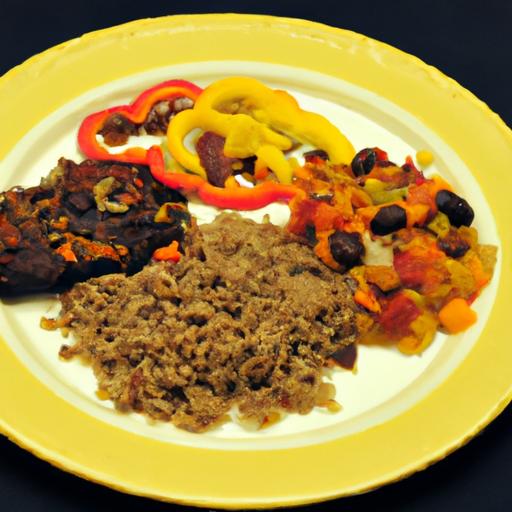

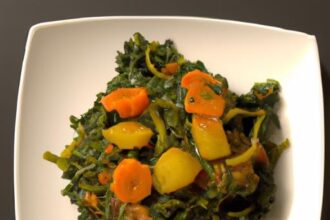
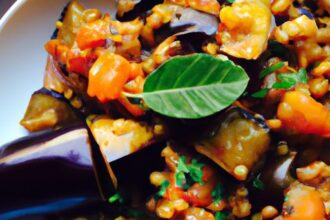
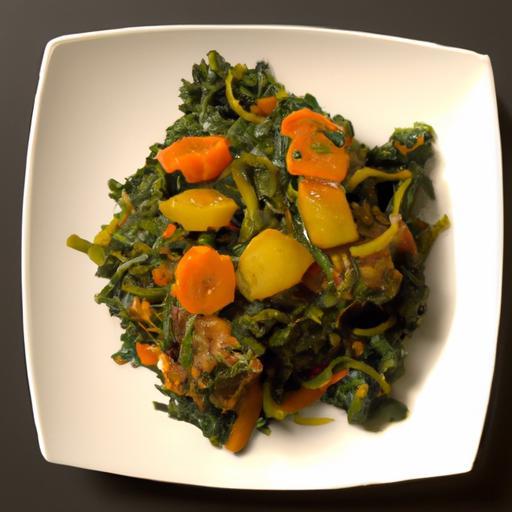
Embark on a culinary journey where tradition meets innovation and vibrant flavors awaken your senses—welcome to the world of African Gluten-Free Recipes. Across the vast and diverse continent, from sun-drenched savannas to bustling market streets, African Gluten-Free Recipes showcase centuries-old cooking techniques and indigenous ingredients that create dishes bursting with color, aroma, and nutrition. Whether you’re navigating gluten sensitivities or simply eager to explore new taste horizons, African Gluten-Free Recipes offer a treasure trove of hearty stews, fragrant spices, and wholesome grains that celebrate both heritage and health. By embracing African Gluten-Free Recipes, you open the door to authentic meals that are as nourishing as they are flavorful. Join us as we uncover the richness of African Gluten-Free Recipes, inviting you to savor Africa’s vibrant food culture without compromise.
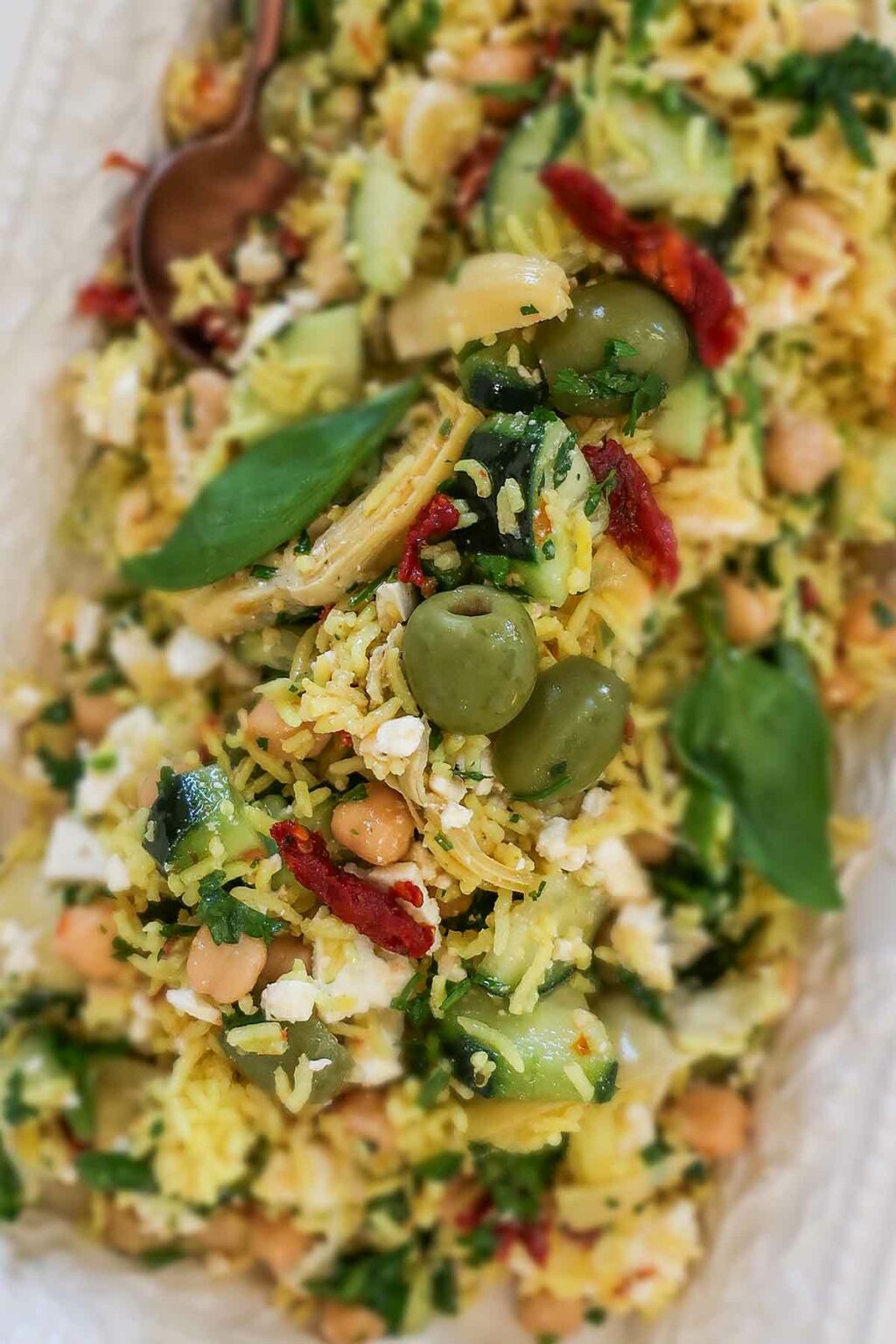
Discover the magic and depth of African Gluten-Free Recipes through the vibrant use of indigenous ingredients like teff, sorghum, fonio, and cassava. These staples not only highlight the essence of African culinary heritage but also naturally embody the heart of African Gluten-Free Recipes, making every dish a harmonious blend of health and indulgence. Imagine the deep earthiness of injera made from teff or the nutty crunch of akara fritters crafted from black-eyed peas—each bite reflects the timeless story told by African Gluten-Free Recipes. From nourishing porridges to bold stews, African Gluten-Free Recipes stand as a celebration of resilience, creativity, and wellness. For food lovers everywhere, exploring African Gluten-Free Recipes means embracing culture, flavor, and wholesome nourishment in every bowl.
Prep and Cook Time
- Prep Time: 20 minutes
- Cook Time: 30 minutes
- Total time: 50 minutes
Yield
Serves 4
Difficulty Level
Medium
Ingredients
- 1 cup teff flour (for authentic Ethiopian injera)
- 2 cups water (room temperature)
- 1/2 teaspoon active dry yeast
- 1/4 teaspoon salt
- 2 tablespoons vegetable oil (for cooking)
- 1 cup black-eyed peas (soaked and peeled for akara fritters)
- 1 small onion, finely chopped
- 1 fresh green chili, deseeded and minced (optional)
- 1 teaspoon smoked paprika
- Salt and black pepper to taste
- Fresh cilantro for garnish
Instructions
- Prepare the injera batter: In a large bowl, combine the teff flour and water, whisking until smooth. Cover with a clean cloth and let ferment at room temperature for 24-48 hours until bubbles form and a sour aroma develops.
- Add yeast and salt: Stir in the active dry yeast and salt into the batter. Let it rest for an additional 30 minutes to activate the yeast, ensuring a light and spongy injera.
- Cook the injera: Heat a non-stick skillet over medium heat and lightly grease with vegetable oil. pour a ladleful of batter, swirling to cover the surface thinly. Cover and cook for 2-3 minutes until holes appear on the surface and the edges lift. Do not flip.Slide onto a plate and repeat.
- Prepare the akara fritters: Drain and peel the soaked black-eyed peas, blending them into a coarse paste.
- Sauté aromatics: In a skillet, heat 1 tablespoon of oil over medium heat. Add the chopped onion and minced green chili, sautéing until translucent, about 5 minutes.
- Combine ingredients: Stir the sautéed onion and chili into the black-eyed pea paste. Season with smoked paprika, salt, and pepper.
- Fry fritters: Heat remaining oil in a skillet. Scoop spoonfuls of the mixture and fry for 3-4 minutes per side until golden and crisp. Drain on paper towels.
- Serve: Layer injera on a plate,top with warm akara fritters,and garnish with fresh cilantro for a burst of color and freshness.
Tips for Success
- For a quicker injera ferment, warm the batter gently in a proofing box or oven set to 80°F.
- Substitute teff flour with a gluten-free mix of sorghum and millet if teff is unavailable-this creates a slightly different but equally flavorful injera.
- To prevent akara fritters from absorbing excess oil, ensure the oil is hot before frying and avoid overcrowding the pan.
- Make injera batter in advance and refrigerate for up to 3 days; bring to room temperature before cooking.
Serving Suggestions
Serve this vibrant meal with a side of freshly chopped tomato and cucumber salad dressed with lemon juice and olive oil. Pair with a spicy berbere sauce to heighten the flavors or a cooling yogurt dip to balance the heat. Presentation on a rustic wooden platter enhances the authentic feel,while a garnish of shining green cilantro leaves elevates the dish visually and aromatically.

Nutritional Information (per serving)
| Calories | Protein (g) | carbohydrates (g) | Fat (g) |
|---|---|---|---|
| 320 | 12 | 45 | 8 |
For more inspiration on gluten-free African cooking, explore our detailed guide on Selecting and Cooking African Gluten-Free Grains. To learn about globally recognized gluten-free nutritional benefits, visit CDC’s Gluten-Free Diet Overview.
Q&A
Q&A: Discover the Rich Flavors of african Gluten-Free Recipes
Q1: What makes African cuisine uniquely suited for gluten-free diets?
A1: African cuisine is a vibrant tapestry woven from diverse grains, tubers, and legumes rather than the wheat-based ingredients common in many Western dishes. Staples like millet, sorghum, teff, yams, and cassava naturally provide hearty, gluten-free foundations for meals brimming with flavor and nutrition. This makes African recipes an ideal playground for those seeking delicious gluten-free options without sacrificing traditional taste.
Q2: Which African ingredients are commonly used in gluten-free recipes?
A2: Some star players include teff from Ethiopia, used in injera bread; fonio, an ancient grain celebrated in West Africa; cassava flour, a versatile substitute for wheat; and plantains and yams, which add substance and earthiness to many dishes. These ingredients not only avoid gluten but also bring unique textures and flavors that enrich each recipe.
Q3: Can you name a few popular African gluten-free dishes to try at home?
A3: Absolutely! Start with Ethiopian injera-light,spongy flatbread made from teff flour,perfect for scooping up stews. senegambia’s thieboudienne, a comforting fish and rice dish, is naturally gluten-free. Nigerian pounded yam paired with egusi soup offers a hearty, satisfying meal. Each dish bursts with bold spices and traditional techniques that celebrate African culinary heritage.Q4: How do African chefs use spices to enhance gluten-free recipes?
A4: African chefs are masters of layering spices to build complexity and depth-think fiery berbere from Ethiopia, fragrant ras el hanout from North Africa, or the smoky warmth of smoked paprika. These spice blends infuse gluten-free ingredients with vibrant aromas and mouthwatering tastes,ensuring every bite tells a story without relying on gluten as a texture enhancer.
Q5: Are African gluten-free recipes suitable for those new to gluten-free cooking?
A5: Definitely! Many African gluten-free dishes use simple, wholesome ingredients and straightforward cooking methods. Plus, the dishes often encourage communal eating and sharing, making them fun and approachable to prepare. Experimenting with African recipes can expand your culinary horizons and prove that gluten-free eating can be both exciting and deeply satisfying.
Q6: Where can I find authentic African gluten-free recipes?
A6: Look for cookbooks dedicated to African cuisine, online blogs by African chefs who embrace gluten-free cooking, or community recipe exchanges. Visiting local African markets can also inspire you with fresh ingredients. Once you dive in, you’ll discover a treasure trove of delicious and nourishing meals that honor tradition and cater to your dietary needs.
Q7: How does embracing african gluten-free recipes contribute to cultural appreciation?
A7: Exploring African gluten-free recipes is more than just eating well-it’s a way to connect with centuries-old traditions, diverse cultures, and stories behind each dish. By cooking and sharing these meals, you honor the rich heritage and creativity of African people, fostering respect and understanding across cultural boundaries while nourishing your body.
Embrace the adventure of African gluten-free cooking,and let your taste buds journey through a continent where every bite is a party of flavor,history,and health!
Closing Remarks
As we conclude this flavorful journey through African gluten-free cuisine,it’s clear that the continent’s vibrant culinary heritage offers much more than just sustenance-it’s a celebration of culture,history,and innovation. From the warm spices of North Africa to the hearty grains of West Africa, these recipes invite you to explore bold tastes and nourishing ingredients without compromise. Embracing African gluten-free dishes not only expands your palate but also connects you to a rich tapestry of traditions that have thrived for centuries. So next time you’re ready to reinvent your meals, let the diverse and delicious flavors of Africa inspire your kitchen adventures-gluten-free never tasted so enriching.