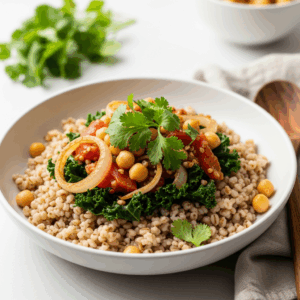


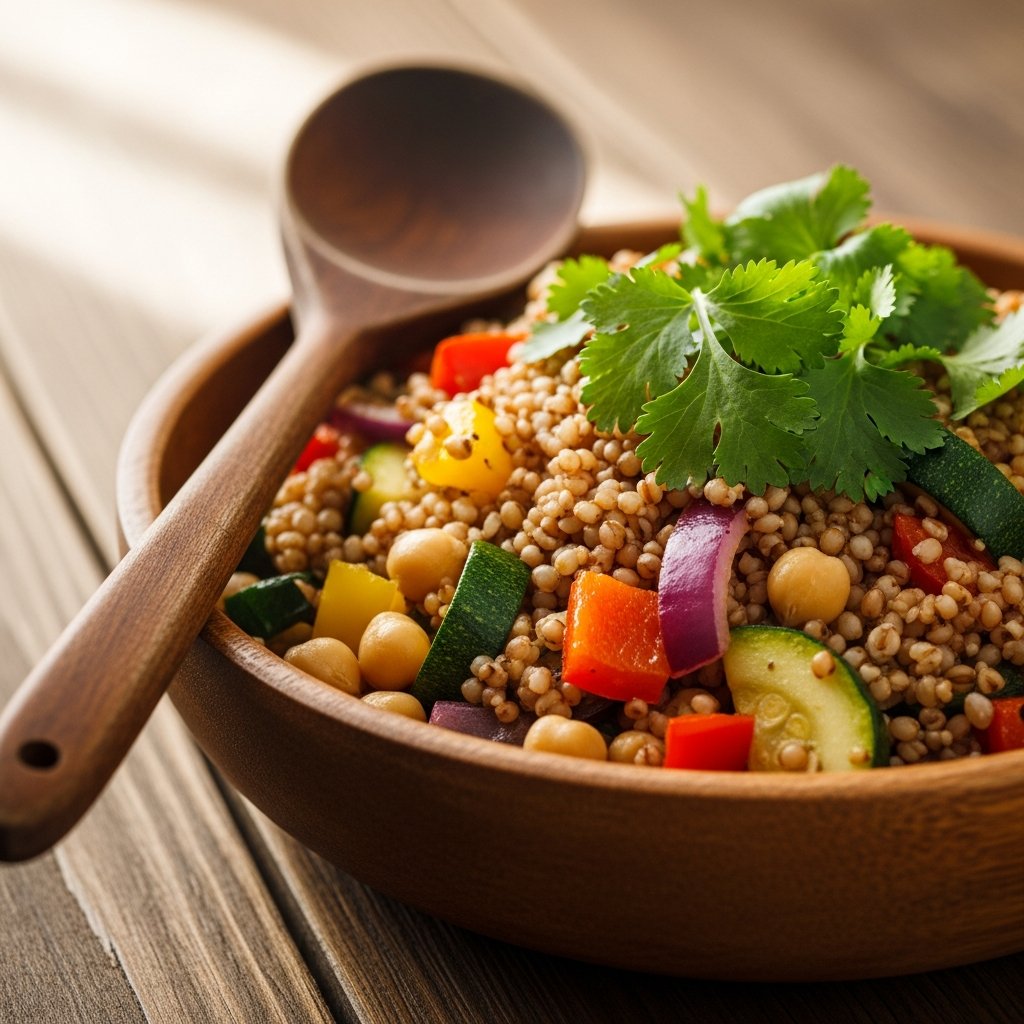
Savoring African Sorghum begins with discovering how African Sorghum has shaped food culture for generations. Across the continent, African Sorghum thrives in diverse climates, symbolizing strength and nourishment. Savoring African Sorghum means connecting with history, sharing traditions, and celebrating bold flavors found in every region. As cooks explore African Sorghum in porridges, beverages, and breads, they experience the essence of Savoring African Sorghum—an invitation to enjoy wholesome, resilient grains. African Sorghum carries the taste of community, heritage, and nature’s abundance, making Savoring African Sorghum a celebration of both culture and nutrition rooted in Africa’s culinary journey.
By Savoring African Sorghum, you embrace dishes that honor time-tested cooking while welcoming modern creativity with African Sorghum. This versatile grain encourages Savoring African Sorghum through nourishing textures and naturally rich flavors. Whether blending African Sorghum into traditional porridges, exploring artisanal breads, or reinventing classics with spices and fresh ingredients, Savoring African Sorghum showcases the grain’s limitless potential. Every recipe featuring African Sorghum elevates wellness and authenticity, proving that Savoring African Sorghum is more than a trend—African Sorghum is a vibrant, joyful way to nourish body and soul with every meal.
Prep and Cook Time
- Preparation: 15 minutes
- Cooking: 40 minutes
- Total Time: 55 minutes
Yield
Serves 4 hearty portions
Difficulty Level
Medium – Ideal for adventurous home cooks eager to explore wholesome grains.
Ingredients
- 1 cup sorghum grains, rinsed and soaked for 2 hours
- 3 cups water (for cooking)
- 1/2 teaspoon salt
- 2 tablespoons palm oil or vegetable oil
- 1 medium onion, finely chopped
- 2 cloves garlic, minced
- 1 teaspoon smoked paprika
- 1 medium tomato, diced
- 1 cup kale or spinach, chopped
- 1 cup cooked chickpeas (optional for added protein)
- Fresh cilantro for garnish
- Salt and pepper to taste
- 1 tablespoon lemon juice
Instructions
- Cook the Sorghum: Drain the soaked sorghum and combine with 3 cups of water and salt in a medium pot.bring to a boil, then reduce heat to low, cover, and simmer for 35-40 minutes, or until grains are tender but toothsome. If needed, add a little extra water during cooking to prevent drying out.
- Sauté Aromatics: While sorghum cooks, heat palm oil in a sauté pan over medium heat. Add chopped onion and sauté until translucent, about 5 minutes, stirring occasionally. add minced garlic and cook for another 1 minute until fragrant.
- Build Flavors: Stir in smoked paprika and diced tomato. Cook until the tomato softens and releases its juices, around 5 minutes.This creates a smoky, savory base reminiscent of traditional African stews.
- Add Greens and Chickpeas: Mix in chopped kale or spinach, sautéing until wilted, about 3 minutes. Then fold in cooked chickpeas if using, warming through gently.
- Combine Sorghum and Sauce: Drain sorghum if excess water remains and add it directly to the sautéed vegetable mixture. Stir thoroughly to incorporate,adjusting seasoning with salt,pepper,and a splash of lemon juice to brighten the dish.
- final Touch: Heat through for 2-3 minutes, allowing flavors to harmonize. Remove from heat, then garnish generously with fresh cilantro before serving.
Chef’s Notes
- Soaking sorghum reduces cooking time and improves texture; if short on time, use pre-cooked or rapid-cooking sorghum.
- For a richer dish, substitute palm oil with shea butter or add a handful of roasted peanuts for crunch.
- Swap kale for collard greens or amaranth leaves to embrace different regional variations.
- sorghum cooks similarly to barley but retains a nuttier flavor and slightly chewy texture-don’t overcook to avoid mushiness.
- Make ahead: Prepare the sorghum and sautéed mix separately, then combine and reheat gently before serving.
Serving Suggestions
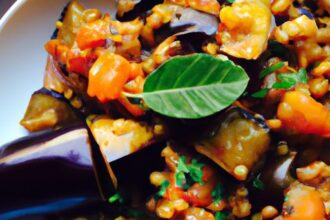
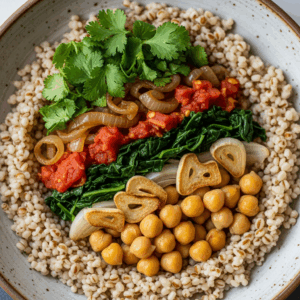
This hearty sorghum medley shines when paired with a vibrant side of African-style vegetable sides such as roasted eggplant or spicy okra stew. Spoon it into rustic bowls and top with a dollop of cooling plain yogurt or freshly sliced avocado for creaminess. For festive occasions,serve alongside grilled meats or plantain fritters to elevate the textural experience. A sprinkle of toasted sesame seeds enhances the nutty undertones and adds a visually appealing finish.

| Nutrient | Amount per serving |
|---|---|
| Calories | 320 kcal |
| Protein | 10 g |
| Carbohydrates | 58 g |
| Fat | 7 g |
Learn more about the health benefits of whole grains.
Q&A
Q&A: Savoring African Sorghum – Traditional Recipes to Try Today
Q1: What is sorghum, and why is it significant in African cuisine?
A: Sorghum is an ancient cereal grain that has been a staple in African diets for thousands of years. Native to the continent,it thrives in hot,dry climates where other grains might fail,making it a vital crop for food security. Beyond its resilience, sorghum offers a rich, nutty flavor and a chewy texture that forms the backbone of many beloved traditional dishes.Its cultural importance is profound, frequently enough appearing in ceremonies and communal feasts, symbolizing nourishment and heritage.
Q2: How does sorghum differ from more commonly known grains like wheat or rice?
A: Unlike wheat and rice, sorghum is gluten-free, making it ideal for those with gluten sensitivities. It boasts a unique flavor profile-earthy,slightly sweet,and nutty-that sets it apart in both savory and sweet dishes. Nutritionally,it is a powerhouse,high in fiber,antioxidants,and essential minerals,helping fuel the body with sustained energy.Its versatility in cooking-from porridges and flatbreads to beverages-makes it an exciting grain to explore.
Q3: What are some traditional African recipes featuring sorghum that readers can try at home?
A: There’s a vibrant array of dishes to discover:
- Ugali (East Africa): A thick porridge made by stirring sorghum flour into boiling water until it reaches a dough-like consistency. It’s the perfect accompaniment to stews and leafy greens.
- Injera (Horn of Africa): Though traditionally made from teff, sorghum is often blended in to create this spongy, fermented flatbread, a communal centerpiece for Ethiopian and Eritrean meals.
- Kissra (Sudan): A thin, pancake-like bread made from fermented sorghum batter, typically served with rich meat or vegetable stews.
- Sorghum Beer (Pito or Burukutu): A traditional fermented beverage enjoyed in West Africa, brewed from malted sorghum grains, offering a tangy, refreshing taste.
Q4: Can sorghum be incorporated into modern or fusion recipes?
A: Absolutely! Sorghum’s mild but distinct character lends itself beautifully to contemporary cuisine. Try using sorghum flour in pancakes or muffins for a nutritious twist, or cook whole sorghum grains like quinoa in salads and bowls. Its natural sweetness enhances desserts such as puddings or sorghum syrup drizzled over fresh fruit. Fusion cooks are even experimenting with sorghum risotto or sorghum-based veggie burgers, proving this ancient grain’s timeless appeal.
Q5: Where can I find sorghum products, and what should I look for?
A: Sorghum is increasingly available in health food stores, specialty African markets, and online. Look for whole grain sorghum, sorghum flour, or pre-cooked grains. When purchasing, choose organic or locally sourced options if possible, to ensure quality and support sustainable agriculture. Be mindful to rinse whole sorghum grains before cooking to remove any residual dust or debris.
Q6: Any tips for cooking sorghum to bring out its best flavor and texture?
A: Soak whole sorghum grains overnight to reduce cooking time and enhance digestibility. Use a ratio of about 3 cups of water to 1 cup of grain, simmering for 50-60 minutes until tender but still chewy. Toasting sorghum flour lightly before cooking can deepen its nutty profile. Experiment with fermentation in batters to develop complex aromas, especially for breads like injera and kissra.
Q7: Why should more people embrace sorghum in their diets today?
A: Embracing sorghum is a delicious way to connect with African culinary traditions while enjoying a nutritious, climate-smart grain. Its resilience in the face of changing environmental conditions makes it a sustainable choice supporting global food diversity.Plus, cooking with sorghum offers a sensory journey-each bite a taste of history, culture, and innovation rolled into one humble grain.
Dive into sorghum’s rich flavors and recipes, and savor a true taste of Africa at your own table today!
Concluding Remarks
As we close the pages on our journey through the rich and nourishing world of African sorghum, one truth stands clear: this humble grain is much more than a staple-it’s a vibrant thread woven through centuries of culture, flavor, and tradition. Whether you sprinkle its flour into your morning porridge, simmer it into hearty stews, or toast it for a nutty snack, sorghum invites you to savor not just a meal, but a story. By embracing these time-honored recipes today, you’re not only delighting your taste buds but also honoring the resilient spirit of African culinary heritage.So, roll up your sleeves, gather your ingredients, and let sorghum’s unique textures and tastes transform your kitchen into a crossroad of history and nourishment-one delicious bite at a time.