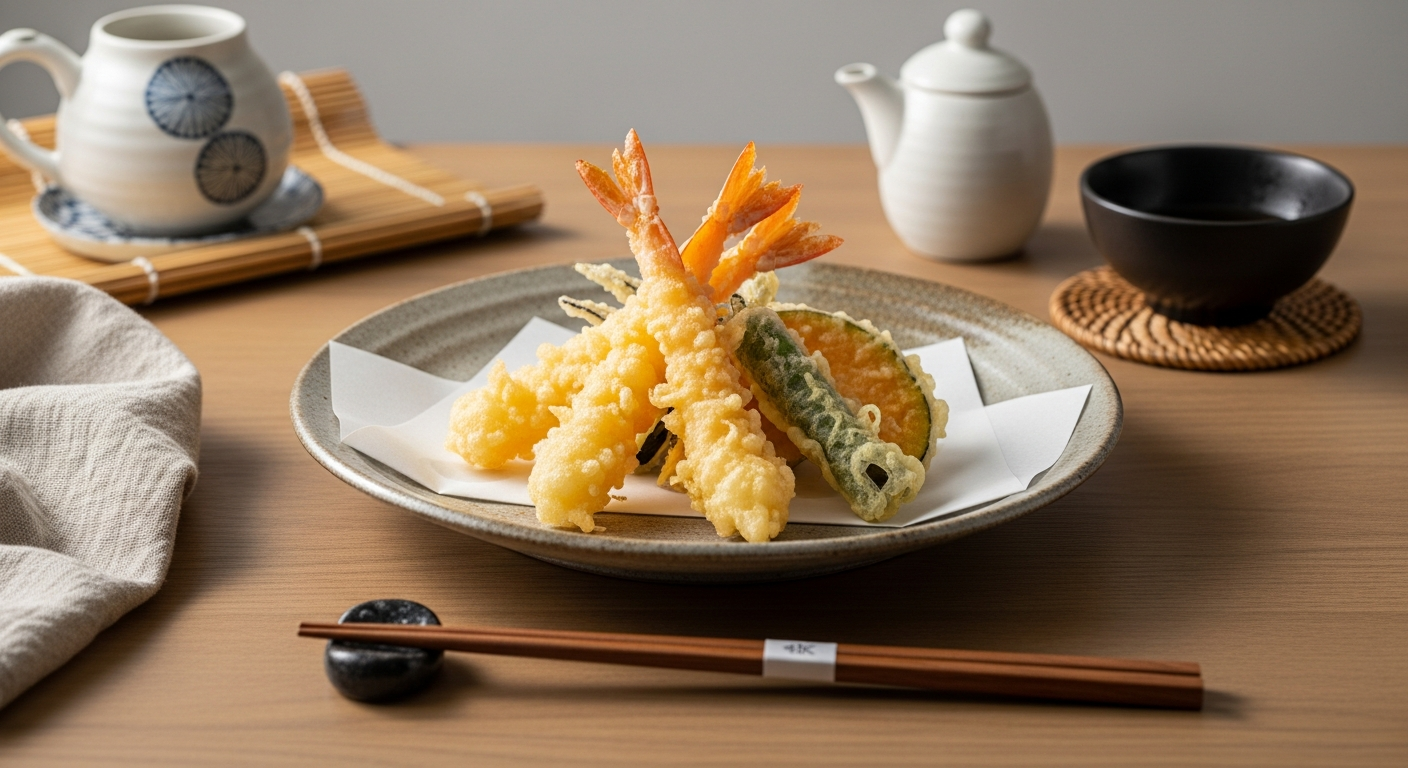

Japanese Tempura stands at the heart of refined Japanese cuisine, and Mastering Authentic Japanese Tempura reveals why this iconic dish is celebrated worldwide. Japanese Tempura is more than a recipe—it is a culinary philosophy rooted in balance, precision, and restraint. Through Mastering Authentic Japanese Tempura, cooks learn how Japanese Tempura achieves its signature lightness, transforming seafood and vegetables into golden perfection. Japanese Tempura relies on icy batter, delicate timing, and respect for ingredients, while Mastering Authentic Japanese Tempura ensures every bite of Japanese Tempura delivers crisp texture without heaviness. From tradition to technique, Japanese Tempura and Mastering Authentic Japanese Tempura define elegance through simplicity.
At its core, Mastering Authentic Japanese Tempura is about repetition, control, and deep understanding of Japanese Tempura fundamentals. Each step in Mastering Authentic Japanese Tempura sharpens your ability to recreate restaurant-quality Japanese Tempura at home. Whether frying shrimp, sweet potato, or seasonal vegetables, Japanese Tempura shines when guided by the principles of Mastering Authentic Japanese Tempura. The harmony of temperature, batter, and oil elevates Japanese Tempura into a timeless classic, while Mastering Authentic Japanese Tempura empowers you to honor tradition and achieve flawless, crispy results every time.
Prep and Cook time
- Planning: 15 minutes
- Cooking: 20 minutes
- Total Time: 35 minutes
Yield
Serves 4 as a delightful appetizer or side dish
Difficulty Level
Medium – Ideal for home cooks ready to explore authentic Japanese frying techniques
Ingredients
- 1 cup cake flour or low-protein all-purpose flour,sifted
- 1 large ice-cold egg
- 1 cup ice-cold sparkling water (or very cold water)
- Vegetable oil or canola oil for deep frying (at least 4 cups)
- Assorted fresh vegetables: sweet potato (thinly sliced),shiitake mushrooms,green beans
- Fresh shrimp,deveined and peeled (tails intact for presentation)
- Ice cubes – to keep batter cold
- Optional: 1 tablespoon cornstarch (for extra crispiness)
Instructions
- Prepare Ingredients: Wash and pat dry all vegetables and seafood fully to prevent oil splatter. Slice vegetables uniformly for even cooking.
- Chill Equipment: Place your mixing bowl and whisk in the refrigerator for 10 minutes before mixing. Cold batter is key to crisp & flavorful results.
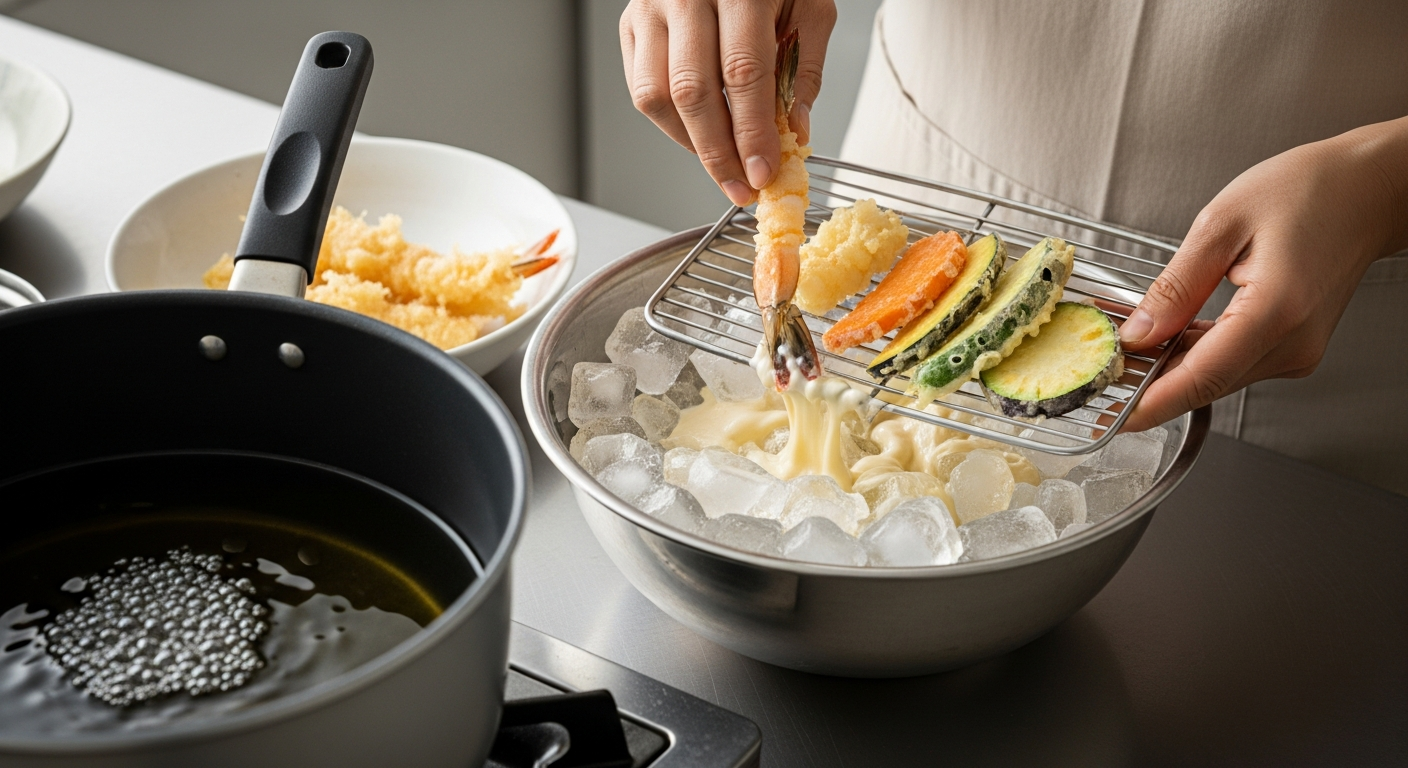
- Make the batter: Crack the ice-cold egg into the chilled bowl. Add the ice-cold sparkling water.Lightly whisk just until combined – lumps should remain.Gently fold in the sifted flour (and optional cornstarch), stirring with chopsticks or a fork.Do NOT overmix; a few small lumps are ideal.
- Heat Oil: in a deep pot, heat oil to 340°F (170°C). Use a thermometer for precise temperature control.
- Test Fry: Dip a small piece of vegetable into batter,then carefully place into hot oil. The batter should puff and instantly crisp without excessive browning after 1-2 minutes.
- Fry in Batches: Coat shrimp and vegetables lightly in batter, shaking off excess.Fry in small batches (3-4 pieces) to maintain oil temperature. Fry shrimp for 2-3 minutes until golden, vegetables 2-4 minutes depending on size.
- Drain and Serve: Using a slotted spoon, transfer tempura to a rack lined with paper towels. Serve immediately for the best crispiness.
Chef’s Notes & Tips for Success
- Keep everything cold: The batter’s temperature is the secret to crisp & flavorful tempura. Use ice-cold water,eggs,and keep your bowl chilled.
- Minimal mixing: Avoid overworking the batter to prevent gluten growth; this ensures the delicate crunch.
- Use sparkling water: The bubbles help aerate the batter for that signature light texture.
- Oil temperature matters: Maintain 340°F (170°C) during frying. Too hot and tempura browns too fast; too cool and it absorbs oil, becoming soggy.
- Try variations: Incorporate seasonal vegetables like kabocha squash or shishito peppers or experiment with dipping sauces.
Serving Suggestions and Dipping sauces to Elevate Your Tempura Experience
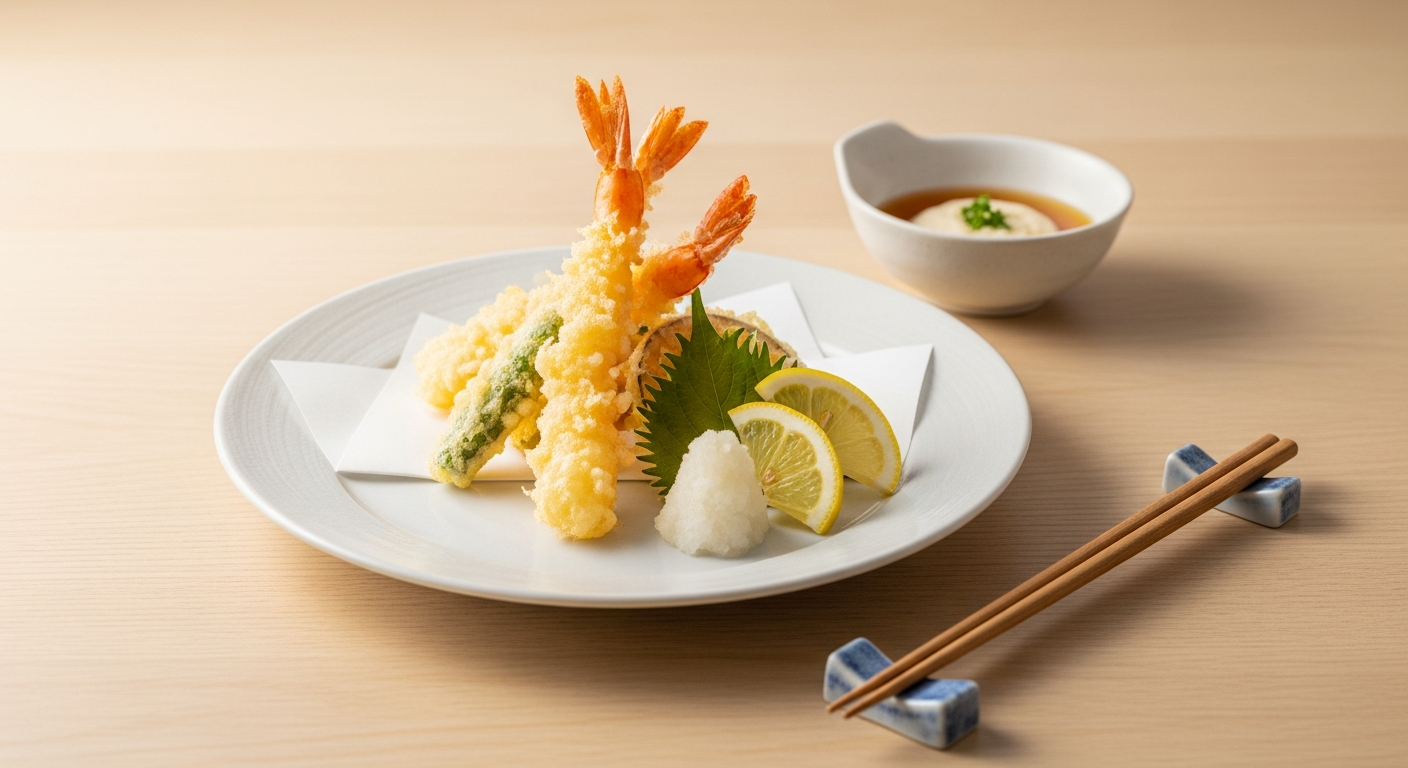
Present your tempura on a bamboo mat or crisp white plate, garnished with freshly grated daikon and a sprig of shiso or lemon wedges to add a refreshing contrast. Serve alongside classic tentsuyu dipping sauce made of dashi, soy sauce, and mirin for an authentic taste. For a modern twist, offer ponzu or a light yuzu kosho mayo for dipping. Pair tempura with steamed rice and a side of pickled ginger to balance the rich frying flavors.
| Nutrient | Per Serving |
|---|---|
| Calories | 300 kcal |
| Protein | 15 g |
| Carbohydrates | 25 g |
| Fat | 18 g |
Discover more about traditional Japanese cooking techniques in our guide to cornerstone Japanese dishes. For an in-depth exploration of tempura’s rich history and science, visit the Japan Guide’s tempura page.
Q&A
Q&A: Crisp & flavorful – Mastering Authentic Japanese Tempura Recipes
Q1: What exactly is tempura,and why is it so beloved in japanese cuisine?
A1: Tempura is a classic Japanese dish where fresh ingredients-typically seafood and vegetables-are lightly battered and fried to golden,airy perfection. Its charm lies in the delicate balance of a crisp, almost ethereal batter that enhances rather than masks the natural flavors of the ingredients. Beloved for its light texture and versatility, tempura captures the essence of Japanese culinary artistry: simplicity elevated to an art form.
Q2: What makes authentic japanese tempura batter diffrent from other frying batters?
A2: Authentic tempura batter is deceptively simple-usually just cold water, flour, and sometimes egg-but its magic is all in the handling. The key is to keep the batter cold and to mix it sparingly, leaving it slightly lumpy. This minimal gluten development creates a light, crisp texture that shatters with every bite, unlike heavier, doughy batters. Some purists use ice-cold sparkling water or add a pinch of baking soda to enhance crispiness further.
Q3: Which ingredients are best suited for tempura, and how do you prepare them?
A3: Tempura shines with fresh seafood like shrimp, white fish, and squid, as well as vegetables such as sweet potato, kabocha squash, green beans, shiitake mushrooms, and lotus root. Preparation is straightforward: slice ingredients into uniform pieces to ensure even cooking and pat them dry to prevent batter from slipping off.The goal is to showcase the ingredient’s natural flavor beneath the delicate, crisp coating.
Q4: how crucial is oil selection and temperature control in achieving perfect tempura?
A4: Oil choice and temperature are crucial tempura secrets. Traditionally, vegetable oils with a high smoke point-like canola, sesame, or rice bran oil-are preferred for clean flavor and high heat tolerance. Maintaining oil around 170-180°C (340-360°F) ensures a quick cook that crisps the batter without greasing the ingredients. Too hot, and the batter burns; too cool, and it becomes soggy and heavy. Using a thermometer and frying in small batches preserves that coveted light crunch.
Q5: Are there traditional dipping sauces or accompaniments that enhance the tempura experience?
A5: Absolutely! Tentative bite after bite pairs beautifully with tentsuyu, a classic dipping sauce made from dashi (Japanese stock), soy sauce, and mirin. It’s light and slightly sweet, complementing-but never overpowering-the delicate crunch. Grated daikon radish often accompanies the sauce, adding a refreshing bite. Some also enjoy tempura simply with a sprinkle of high-quality sea salt or matcha salt to highlight the batter’s subtle nuances.
Q6: can tempura be enjoyed cold, or is it best eaten fresh?
A6: Tempura is at its best right out of the fryer, when the batter is still crisp and light. While you can enjoy leftovers, the coating tends to lose its crispness as it sits. To revive some crunch, reheating in a dry skillet or oven (avoiding the microwave, which soggifies the batter) works well. That said, fresh tempura served hot retains the magical contrast of textures that defines the dish.
Q7: What are some common mistakes beginners should avoid when making tempura at home?
A7: The top pitfalls to dodge include overmixing the batter (which creates gluten and heaviness), using room temperature water instead of ice-cold, overcrowding the pan which drops oil temperature, and neglecting to dry ingredients properly. Another key misstep is frying at the wrong temperature-too hot or too cool-and not draining the tempura well on paper towels to keep crispness intact. Mastering these details will elevate home tempura from mundane to magnificent.
Mastering authentic Japanese tempura isn’t just about frying-it’s about capturing an ephemeral crispness that dances on your palate, revealing layers of flavor with every bite. with mindful technique and quality ingredients, you too can craft tempura that’s irresistibly crisp, light, and faithfully flavorful. Enjoy the process and, most importantly, the tasty results!
Closing remarks
As you embark on your own tempura journey, remember that achieving that perfect balance of crispness and flavor is both an art and a delightful science.By embracing authentic techniques-from selecting the freshest ingredients to mastering the delicate batter-you unlock the true essence of this iconic Japanese dish. So, whether you’re cooking for friends or simply savoring a quiet meal, let the golden crunch and subtle taste transport you to the streets of Tokyo, one crispy bite at a time. Happy frying, and may your tempura always be light, airy, and irresistibly delicious!