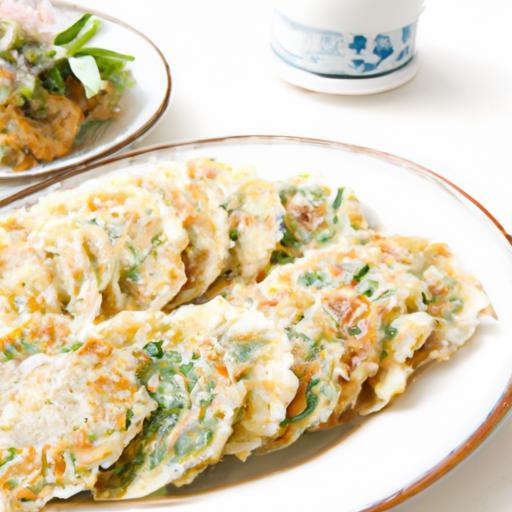
When it comes to cuisine that tells a story, few can rival the rich tapestry woven by Authentic Mexican Cooking. Rooted in centuries-old traditions and vibrant ingredients, Authentic Mexican Cooking offers more than flavor—it reveals a living heritage passed down through generations. From the smoky whispers of the molcajete grinding freshly toasted spices to the rhythmic folding of masa dough, Authentic Mexican Cooking embodies history, craft, and heart. Every step in Authentic Mexican Cooking reflects deep respect for nature, culture, and community. Each dish tells a tale, each technique a reflection of pride in Authentic Mexican Cooking traditions. Join us as we embark on a flavorful exploration of Authentic Mexican Cooking, where every method connects the past to the present and transforms humble ingredients into soulful treasures of Authentic Mexican Cooking artistry.
Savor Tradition begins by honoring the sacred techniques that define Authentic Mexican Cooking, celebrating the heritage that elevates flavor beyond expectation. Through Authentic Mexican Cooking, we embrace the essence of maize in the ancient art of nixtamalization, handcraft tortillas that echo ancestral rhythms, and stir salsas over clay and comal that burst with authenticity. The heart of Authentic Mexican Cooking beats in every simmering pot, every fragrant herb, and every slow roast that bridges centuries of wisdom. To experience Authentic Mexican Cooking is to awaken the senses—to hear the sizzle, breathe the spice, and taste the spirit of Mexico itself. This journey through Authentic Mexican Cooking connects us not only to flavor but to culture, unity, and the timeless passion that keeps Mexico’s culinary soul alive.
Prep and Cook Time
Prep: 45 minutes (includes soaking and nixtamalizing)
Cook: 30 minutes
Total Time: 1 hour 15 minutes
Yield
Approx. 12 fresh corn tortillas and 2 cups of traditional Mexican salsa
Difficulty Level
Medium – perfect for those eager to deepen their grasp of authentic Mexican cooking techniques.
Ingredients
- 2 cups dried white maize kernels (preferably heirloom varieties like Cacahuazintle)
- 1 tablespoon food-grade calcium hydroxide (pickling lime)
- fresh water, enough for soaking and rinsing
- 1 teaspoon sea salt
- 1 cup masa harina (if opting for swift preparation or supplementing fresh masa)
- For the salsa:
- 4 ripe Roma tomatoes
- 2 dried guajillo chilies (stems and seeds removed)
- 1 medium white onion, quartered
- 2 garlic cloves
- 1 fresh jalapeño chile (optional, for heat)
- 1/4 cup fresh cilantro
- 1 lime, juiced
- Salt, to taste
- Additional: Corn husks or a clean kitchen towel for tortilla pressing
Instructions
- Nixtamalize the maize: In a non-reactive pot, bring 6 cups of water and calcium hydroxide to a boil. Add the maize kernels and simmer gently for 15 minutes until skins loosen. Remove from heat and let soak overnight (8-12 hours).
- Rinse and grind: After soaking, thoroughly rinse the maize under running water, rubbing off outer hulls.Drain well. Using a wet mill or grain grinder, grind the nixtamalized corn into a moist dough called masa.If unavailable, blend until smooth in a food processor, adding water carefully.
- Knead the masa: transfer masa to a bowl. Add salt and knead until smooth and slightly sticky, about 5 minutes. Cover with a damp cloth to keep moist.
- Shape tortillas: Divide masa into 12 equal portions (~50g each). Using a tortilla press lined with plastic or parchment, flatten each ball into a thin, round disc (about 6 inches diameter). Carefully peel and place on a warm comal or cast iron skillet preheated over medium-high heat.
- Cook the tortillas: Cook each side for about 45 seconds to 1 minute, until light brown spots appear, then flip once more and cook 30 seconds to puff slightly. Keep warm wrapped in a clean towel.
- Prepare the authentic Mexican salsa: Toast the dried guajillo chilies briefly on the comal until fragrant (about 30 seconds per side). Soak in hot water for 15 minutes to soften.
- Roast the vegetables: On the same comal, char the tomatoes, quartered onion, garlic cloves (skin on), and jalapeño until blackened spots appear, turning regularly for even roasting.
- Blend the salsa: In a blender, combine soaked chilies (drain water), charred vegetables, cilantro, and lime juice. Blend until smooth. Adjust salt to taste.
- Simmer the salsa: Transfer salsa to a small clay pot or heavy skillet and simmer gently for 10 minutes to deepen flavors and allow sauce to thicken slightly. Keep warm.
- Serve instantly: Present tortillas wrapped in towel next to the salsa in a rustic bowl for a traditional, inviting feast.
Tips for Success
- Ensuring perfect nixtamalization: Use food-grade calcium hydroxide only and do not substitute with regular lime (calcium carbonate).
- Kneading hints: If masa feels dry, add water sparingly; if too sticky, dust with masa harina.
- To preserve moisture: Stack cooked tortillas and wrap in a clean kitchen towel or place in a tortilla warmer.
- Salsa variations: For milder salsa, remove seeds from chilies; for a smoky twist, grill chilies over open flame rather of toasting on the comal.
- Make-ahead: Fresh masa can be refrigerated up to 24 hours; bring to room temperature before using.
Serving Suggestions
Enjoy your handmade tortillas warm with a generous spoonful of vibrant salsa on top or as a classic accompaniment for slow-cooked meats such as birria or carnitas. Garnish with fresh cilantro sprigs, finely chopped white onion, and a wedge of lime for an authentic touch.Pair with a cold horchata or a glass of chilled agua fresca for an immersive experience.

| Nutrition per Tortilla + Salsa Serving | Amount |
|---|---|
| calories | 150 kcal |
| Protein | 4 g |
| Carbohydrates | 30 g |
| Fat | 2 g |
Explore complementary recipes like our Authentic Mexican Mole poblano for a full feast of flavors. For deeper ancient context on nixtamalization and its cultural importance, visit the Food and Agriculture Institution’s detailed overview.
Q&A
Q&A: Savor Tradition – Exploring Authentic Mexican Cooking Techniques
Q1: What makes authentic Mexican cooking techniques so special?
A1: Authentic Mexican cooking is a vibrant symphony of tradition, culture, and flavor. It’s not just about the ingredients but the time-honored methods passed down through generations-techniques that coax bold, earthy flavors from simple elements like corn, chili, and fresh herbs. These methods connect cooks to their ancestors and the land, resulting in dishes that are as rich in history as they are in taste.
Q2: Can you give an example of a traditional Mexican cooking technique?
A2: Absolutely! take nixtamalization, as a notable example-the ancient process of smoaking and cooking dried corn in an alkaline solution, usually limewater. This technique softens the kernels, enhances flavor, and unlocks essential nutrients. The result? The perfect masa, the dough that forms the foundation for tortillas, tamales, and more. It’s a cornerstone of Mexican cuisine that transforms humble corn into magic.
Q3: How does the use of traditional tools influence Mexican cooking?
A3: Traditional tools are the unsung heroes of authentic Mexican cooking. The molcajete (volcanic stone mortar and pestle) grinds chilies, spices, and herbs, releasing flavors that modern blenders can’t quite replicate. The comal, a flat clay or metal griddle, imparts a subtle char and warmth to tortillas and vegetables. These tools aren’t just functional-they connect cooks to centuries of sensory experience.
Q4: What role do cooking methods like slow-cooking and open-fire roasting play in Mexican cuisine?
A4: Slow-cooking and open-fire roasting embody patience and respect for ingredients. Techniques like barbacoa-slowly cooking meat wrapped in maguey leaves underground-and charring peppers or corn over open flames infuse dishes with deep,smoky complexity. These methods allow flavors to meld and mature, creating a depth that quick cooking simply can’t match.
Q5: How can someone at home start exploring authentic Mexican cooking techniques?
A5: Begin with the basics: try making your own tortillas using masa harina and a comal or mortar and pestle for spice blends. Experiment with roasting your own chilies and grinding them fresh for salsas. Dive into recipes that use slow-cooking methods like stews or braises. Embrace the ritual-authentic Mexican cooking is as much about the process as the plate. And don’t be afraid to get your hands a little messy; it’s part of the experience!
Q6: Why is it critically important to preserve these traditional techniques today?
A6: Preserving these techniques is about honoring cultural identity and culinary heritage. In a world of instant meals and shortcuts, these methods keep us rooted in history and community. They ensure that the stories, flavors, and spirit of Mexico continue to thrive for future generations, reminding us all of the power of food to nourish both body and soul.
Q7: What sensory experiences should one expect when cooking or tasting dishes made with traditional Mexican methods?
A7: Expect a feast for the senses-smoky aromas from roasted chilies, the satisfying texture of hand-pressed tortillas, the vivid colors of fresh herbs and salsas, and bold, layered flavors that unfold with every bite. Cooking becomes a tactile journey-feeling the masa between your fingers, hearing the sizzle on the comal, smelling the earthiness of toasted spices. It’s food that invites you to slow down and savor every moment.
These questions and answers aim to immerse readers in the heart and soul of authentic Mexican culinary traditions, encouraging them to explore, appreciate, and perhaps even bring a piece of that rich heritage into their own kitchens.
Insights and Conclusions
As we close the chapter on our journey through authentic Mexican cooking techniques, it becomes clear that these time-honored methods are far more than mere recipes-they are living stories, passed down through generations, rich with culture and community. From the smoky whispers of a traditional comal to the rhythmic pounding of a molcajete, each technique invites us to connect with the vibrant heart of Mexico’s culinary heritage. By savoring tradition in every carefully prepared dish, we not only taste the bold flavors but also honor the craftsmanship and history that make Mexican cuisine truly unforgettable. So next time you step into the kitchen, let these authentic techniques guide your hands-and discover a world where every meal is a celebration of culture, passion, and timeless flavor.