
In the sunlit streets of Tunisia, Bambalouni shines as a golden symbol of sweetness and tradition. More than a simple doughnut, Bambalouni represents the heart of Tunisian culture — a blend of flavor, heritage, and hospitality. Each bite of Bambalouni reveals a delicate balance between crisp perfection and tender warmth, making Bambalouni an unforgettable experience for anyone seeking authentic Mediterranean treats.
From the lively souks of Sidi Bou Said to seaside cafés, Bambalouni has long been a cherished comfort food shared among friends and families. Whether sprinkled with sugar or drizzled with honey, Bambalouni captures the essence of joyful gatherings and the art of Tunisian pastry-making. The irresistible aroma of freshly fried Bambalouni fills the air, inviting everyone to savor a timeless moment of indulgence.
Generations of bakers have perfected Bambalouni, keeping alive an age-old recipe that connects past and present. The magic of Bambalouni lies not only in its golden crust but in the love and simplicity that shape it. As you taste Bambalouni, you taste Tunisia itself — its culture, its soul, and its devotion to sweetness. To make Bambalouni at home is to bring a piece of Tunisian sunshine into your kitchen, reminding you that the joy of Bambalouni is as endless as its flavor.
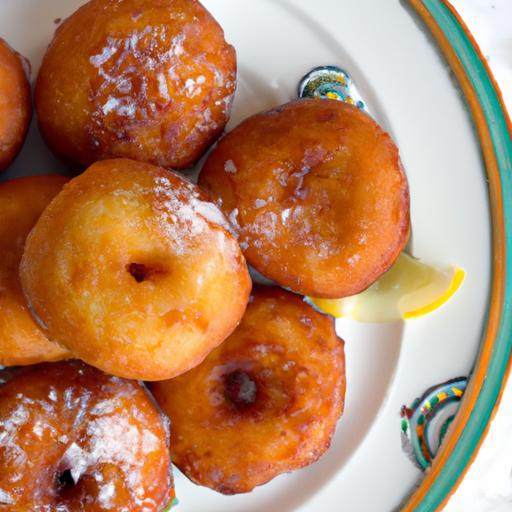
bambalouni, Tunisia’s irresistible sweet doughnut delight, is a heavenly treat that has captured hearts across North Africa and beyond.Its golden, crispy exterior and tender, fluffy inside make it an undeniable indulgence that perfectly combines simplicity with rich cultural heritage. Originating from customary Tunisian street markets, bambalouni carries with it stories of local families, bustling souks, and the unmistakable aroma of sweet dough frying in fresh oil. This beloved pastry is more than a snack-it’s a tradition that sweetens everyday moments and festive gatherings alike.
Prep and Cook Time
- Preparation: 15 minutes
- Proofing: 1 hour
- Cooking: 10 minutes
- Total Time: 1 hour 25 minutes
Yield
Makes approximately 8 medium-sized bambalounis
Difficulty level
Easy to medium – perfect for homemade sweet dough experimentation
Ingredients
- 2 cups all-purpose flour, sifted
- 1 tbsp granulated sugar
- 1 tsp active dry yeast
- 1/2 tsp salt
- 3/4 cup warm water (110°F/43°C)
- 2 tbsp olive oil or vegetable oil
- Vegetable oil (for frying), about 3 cups
- Powdered sugar or honey, for dusting and drizzling
Instructions
- Activate the yeast: in a small bowl, combine the warm water, sugar, and yeast. Let it sit for 5-7 minutes until frothy and bubbly-this indicates the yeast is alive and well.
- Mix the dough: In a large mixing bowl, whisk together the sifted flour and salt. Gradually add the yeast mixture and olive oil while stirring with a wooden spoon or your hand until you form a shaggy dough.
- Knead: flour your working surface lightly and knead the dough for 8-10 minutes until it is smooth, elastic, and just slightly tacky. Add small flour sprinkles if too sticky.
- First rise: Place the dough in a lightly oiled bowl, cover it with a clean kitchen towel or plastic wrap, and let it rise in a warm spot for about 1 hour, or until it doubles in size.
- Shape: Punch down the dough gently to release air. On a floured surface, roll it out to about 1/2-inch thickness. Using a wide round cutter (or a glass), cut out circles approximately 3 to 4 inches in diameter.
- Heat oil: Pour vegetable oil into a deep pan or fryer to a depth of at least 2 inches. Heat to 350°F (175°C)-use a thermometer for accuracy to ensure a crisp exterior without grease absorption.
- Fry: Carefully slide 2-3 dough circles into the hot oil-do not overcrowd. Fry each side for about 1.5-2 minutes or until golden brown, flipping gently with a slotted spoon.
- Drain and cool: Remove bambalounis from the oil and place on paper towels to drain excess oil.
- Serve warm: Dust generously with powdered sugar or drizzle with honey while they’re still warm for the ultimate sweet finish.
Tips for Success from Local Pastry Masters
- Consistency is key: Your dough should be soft but not sticky. Adjust with extra flour or water by a tablespoon if needed.
- Yeast temperature matters: Use warm-not hot-water to activate your yeast, preventing it from dying prematurely.
- Oil temperature control: Maintain steady frying temperature to avoid greasy or undercooked bambalounis. A kitchen thermometer is a worthwhile investment.
- Resting the dough: Patience during proofing yields airier, fluffier sweets that melt in the mouth.
- Experiment with shapes and sizes: in Tunisia, some prefer thick, doughier rounds, while others love thin, crisp versions. Adapt accordingly!
Flavor Variations and Serving Suggestions Exploring Tunisian Culinary Creativity
Bambalouni’s versatility invites culinary creativity. Traditional Tunisian markets sprinkle powder sugar, but why not experiment? Try:
- Cinnamon sugar: Mix ground cinnamon with sugar for an aromatic twist.
- Orange blossom honey drizzle: Bright floral notes marry perfectly with the warm dough.
- Chocolate dipping sauce: A real crowd-pleaser for kids and adults alike.
- Stuffed Bambalouni: After frying, slice and fill with nutella, homemade jam, or sweetened ricotta for a decadent bite.
To elevate presentation, garnish with crushed pistachios or a sprig of fresh mint. Serve bambalouni alongside strong Tunisian mint tea or freshly brewed Arabic coffee for an authentic taste experience.
Where to Find Authentic Bambalouni – must-Try Spots Across tunisia
For those craving the most authentic bambalouni, Tunisian street corners and local bakeries offer pure magic. Cities like Tunis,Sfax,and Sousse brim with vendors whose recipes have been passed down for generations. Don’t miss the buzzing markets where bambalouni cooks flip these doughnuts fresh on open burners, filling the air with irresistible aromas. For a foodie’s guide, consult Tunisia-focused sites such as Lonely Planet Tunisia to discover the best neighbourhoods and hidden gems.
| Nutritional Info (per bambalouni) | Calories | Protein | Carbs | Fat |
|---|---|---|---|---|
| approximate | 210 kcal | 4 g | 28 g | 9 g |

Ready to dive deeper into Tunisian sweets? Check out our related Tunisian Dessert Recipes for more mouthwatering inspiration!
Q&A
Q&A: Bambalouni – Tunisia’s irresistible Sweet Doughnut Delight
Q1: What exactly is Bambalouni?
A1: Bambalouni is a beloved Tunisian sweet treat-think of it as a golden, crispy-on-the-outside, soft-on-the-inside doughnut. Traditionally fried to perfection and generously dusted with sugar, Bambalouni is a street food staple that captivates locals and visitors alike with its simple yet addictive flavor.
Q2: How did Bambalouni become a part of Tunisian culture?
A2: Rooted deeply in tunisia’s vibrant street food scene, Bambalouni has been a go-to comfort snack for decades. Originating from humble street carts, it quickly won hearts as an accessible, affordable indulgence for all ages. Over time, it evolved from a quick bite to a cultural icon symbolizing communal gatherings and festive moments.
Q3: What’s unique about Bambalouni compared to other doughnuts?
A3: Unlike the fluffy yeast doughnuts familiar worldwide, Bambalouni boasts a distinctive thin, chewy texture with a slightly crispy shell. Its beauty lies in simplicity: no fancy glazes or fillings-just the perfect balance of fried dough kissed with a sprinkling of sugar,sometimes accompanied by a hint of cinnamon or honey.
Q4: How is Bambalouni traditionally prepared?
A4: The magic begins with a straightforward mix of flour, water, yeast, and a pinch of sugar. After the dough rises, it’s stretched into rings and dropped into sizzling hot oil. Within minutes,these rings puff up,turning a luscious golden brown. A final dusting of granulated sugar completes the sensory experience, delivering that signature sweet crunch.
Q5: Where can one enjoy authentic Bambalouni in Tunisia?
A5: The best place to savor Bambalouni is from bustling street vendors scattered throughout Tunisian cities-especially in markets and near beach promenades. The aroma of freshly fried Bambalouni usually draws eager crowds, making the experience not just a snack stop but a lively social event.
Q6: Can Bambalouni be enjoyed outside of Tunisia?
A6: Absolutely! Thanks to growing global interest in Tunisian cuisine,Bambalouni recipes have crossed borders. While street vendors abroad may put their own spin on the doughnut, nothing beats the authentic flavor found in Tunisian alleys or seaside shacks. For adventurous home cooks, recreating Bambalouni at home serves as a delicious cultural journey.Q7: What makes Bambalouni so irresistible?
A7: It’s a harmonious dance of textures and flavors-the crisp exterior gives way to a warm, tender core, while the sugary coating provides that perfect sweet kiss.Paired with the lively atmosphere of Tunisian streets and the nostalgia it evokes, Bambalouni isn’t just a doughnut; it’s a warm, edible embrace from Tunisia itself.
Q8: Are there any fun facts about Bambalouni?
A8: Here’s a tasty tidbit: Bambalouni’s name is believed to be inspired by the playful “bubble” appearance the doughnut takes when frying, bubbling up like little golden rings of joy. Also, during special occasions or Ramadan, you might find variations sprinkled with crushed nuts or drizzled with date syrup, adding a festive twist to this humble delight.
Embark on your own Bambalouni adventure-as sometimes, the simplest doughnut holds the richest stories of a nation.
Insights and Conclusions
Whether enjoyed fresh from a bustling street cart or savored leisurely at a local café, Bambalouni embodies more than just a sweet treat-it’s a golden thread woven into the rich tapestry of Tunisian culture. This delightful doughnut, with its crisp exterior and pillowy interior, dusted generously with sugar, invites food lovers everywhere to experience a taste of Tunisia’s warm hospitality and centuries-old culinary traditions. So the next time your sweet tooth calls, let bambalouni be your passport to a flavorful journey through North Africa’s vibrant streets-one delightful bite at a time.