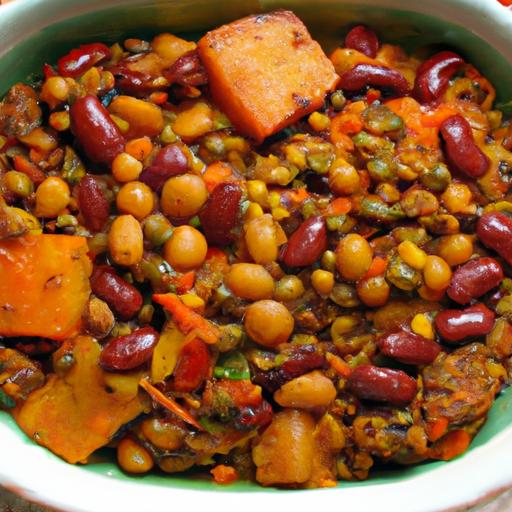
Tubaani stands proudly as Ghana’s Savory Bean Pudding Delight, celebrating the humble bean through generations of culinary tradition. Made entirely from carefully prepared bean flour, Tubaani transforms the bean into a smooth, savory experience that defines Ghana’s Savory Bean Pudding Delight. In every bite, Tubaani showcases how the bean becomes culture, nourishment, and comfort, reinforcing why Tubaani remains central to Ghana’s Savory Bean Pudding Delight across markets, homes, and celebrations. The simplicity of the bean gives Tubaani its identity, making Ghana’s Savory Bean Pudding Delight both timeless and deeply satisfying.
Across Ghana, Tubaani continues to honor the bean as its foundation, elevating Ghana’s Savory Bean Pudding Delight into a symbol of community and heritage. Whether wrapped traditionally or gently steamed, Tubaani proves how the bean anchors Ghana’s Savory Bean Pudding Delight in authenticity and flavor. Each serving of Tubaani reflects respect for the bean, reinforcing why Ghana’s Savory Bean Pudding Delight endures as a treasured dish. From rural kitchens to urban tables, Tubaani, the bean, and Ghana’s Savory Bean Pudding Delight remain inseparable pillars of Ghanaian cuisine.
Prep and Cook Time
- Preparation: 20 minutes
- Soaking: 4 hours (or overnight)
- Cooking (Steaming): 45 minutes
- Total Time: Approximately 5 hours (including soaking)
Yield
Serves 6-8 generous portions
Difficulty Level
Medium – Requires patience for soaking and precise steaming
Key Ingredients for authentic Tubaani
- 2 cups black-eyed peas (fully soaked and skins removed)
- 1 teaspoon baking soda (optional, for softness)
- ½ teaspoon salt (adjust to taste)
- 2 tablespoons palm oil or vegetable oil
- 3 cups water (adjust for batter consistency)
- Plantain leaves or banana leaves (for wrapping, optional)
- Chopped onions and chili (optional, to incorporate flavor)
Step-by-Step Instructions
- Prepare the beans: Soak the black-eyed peas in water for at least 4 hours or preferably overnight to soften. Drain and rub the beans between your hands to remove the skins; rinse repeatedly until the skins separate, leaving you with smooth, skinless beans.
- Grind the beans: using a food processor or traditional grinding stone, blend the peeled beans with water to form a thick, smooth batter. Aim for a consistency slightly thicker than pancake batter.
- Season the batter: Add baking soda (if using), salt, and palm oil to the batter. Mix well to incorporate. You may fold in finely chopped onions or chilies at this point for an extra flavor dimension.
- Prepare for steaming: If using plantain leaves, soften them by passing them over an open flame briefly. Cut into rectangles (~6×6 inches). Grease the leaves lightly with oil. Alternatively, prepare a heat-proof pudding mold or ramekins.
- Fill the molds: spoon the batter onto the center of each leaf or into your mold, fold the leaves neatly to enclose the batter, and secure if necessary. If using a mold, cover with foil or a lid.
- Steam the pudding: Arrange wrapped batter in a steamer over boiling water. Cover and steam for 40-45 minutes, testing doneness by inserting a toothpick-it should come out clean without wet batter sticking.
- Cool and serve: Remove tubaani carefully from the steamer and unwrap.The pudding should hold its shape, with a smooth, custardy texture and slight firmness.
Tips for Perfecting Your Tubaani Pudding
- Skin removal: Removing the skins from black-eyed peas is critical for the silky texture that defines authentic tubaani. Take your time to rinse and rub the soaked beans thoroughly.
- Consistency: Achieving the perfect batter thickness is key; too thin and the pudding won’t set, too thick and it becomes dense. Adjust water gradually.
- Baking Soda Use: While optional, a small pinch of baking soda helps tenderize the batter and improves fluffiness-use sparingly to avoid a soapy taste.
- Steaming Method: Maintain steady steam heat and avoid opening the lid frequently to prevent temperature drops that disrupt setting.
- Make-Ahead: Tubaani can be steamed in advance and refrigerated. Reheat by steaming or gently warming in a skillet with a sprinkle of oil.
Creative Serving Suggestions to Elevate Your Tubaani Experience
Serve traditional tubaani warm, accompanied by refreshing ata adepepe (spicy pepper sauce) or a tangy tomato stew to balance its earthiness. For added richness, a dollop of creamy avocado or a drizzle of coconut milk infuses tropical lushness. Garnish with freshly chopped spring onions, sliced chilies, or toasted groundnuts for crunch and colour. Tubaani also pairs beautifully with fried plantains or a side of gari and fresh vegetables, creating a harmonious balance of textures and flavors. For an adventurous twist,crumble tubaani over salads or serve sliced as a savory breakfast with eggs and greens. The versatility of tubaani ensures it can complement any meal occasion and captivate every palate.

| Nutrient | Per Serving |
|---|---|
| Calories | 220 kcal |
| Protein | 13 g |
| Carbohydrates | 30 g |
| Fat | 6 g |
For deeper insights into the nutritional benefits of beans like those used in tubaani, explore resources such as the USDA FoodData Central.
Q&A
Q&A: Tubaani – Discover Ghana’s Savory Bean Pudding Delight
Q1: What exactly is Tubaani?
A1: Tubaani is a beloved Ghanaian delicacy-a smooth, savory pudding made primarily from black-eyed pea flour. It’s a traditional comfort food that’s both filling and flavorful, wrapped often in fragrant banana leaves or served plain, celebrating the humble bean in a delicious new way.
Q2: Where does Tubaani originate from in Ghana?
A2: Tubaani hails mainly from Ghana’s northern regions, where black-eyed peas are a dietary staple. Over time,it has transcended regional borders,becoming a nationwide favorite-especially during festivals,special occasions,or as a wholesome everyday meal.
Q3: How is Tubaani prepared?
A3: The magic begins with finely ground black-eyed pea flour mixed with water and a pinch of salt to form a smooth batter. This mixture is then poured into banana leaf parcels or heatproof containers and steamed until it transforms into a silky, firm pudding with a subtle bean flavor and a tantalizingly soft texture.
Q4: What flavors and ingredients complement Tubaani?
A4: While Tubaani itself is mildly seasoned, it’s typically enjoyed with spicy pepper sauce, shito (a smoky Ghanaian chili paste), or grated ginger for a zestful kick. Some variations include chopped onions or a splash of palm oil to deepen the taste, turning it into a rich, savory treat.
Q5: why is Tubaani considered a nutritious option?
A5: Tubaani is packed with plant-based protein and fiber from the black-eyed peas, making it a satisfying choice for vegetarians and health enthusiasts alike. It’s low in fat and gluten-free, providing sustained energy and aiding digestion-all wrapped into a silky, comforting package.
Q6: Can Tubaani be enjoyed in different ways?
A6: Absolutely! While traditionally steamed and served hot, creative chefs sometimes pan-fry slices of Tubaani for a crispy exterior or pair it with eggs or stews for heartier meals. Its versatility makes it perfect for breakfast, lunch, or dinner.
Q7: How does Tubaani fit into Ghanaian culture and cuisine?
A7: Beyond its deliciousness, Tubaani is a symbol of Ghana’s agricultural heritage and culinary ingenuity. It showcases how simple, locally sourced ingredients can be transformed into dishes that nourish both body and community, preserving ancestral cooking methods with every bite.
Q8: Where can visitors experience authentic Tubaani?
A8: Travelers exploring Ghana can find Tubaani in local markets, street food stalls, and traditional eateries-especially in the northern regions.Sampling tubaani offers a genuine taste of Ghanaian hospitality and a sensory journey into the heart of the country’s rich food culture.
Discover Tubaani, and you’ll uncover a savory treasure that’s as delightful as it is indeed wholesome-a true testament to Ghana’s vibrant culinary spirit!
Final Thoughts
As the satisfying aroma of Tubaani wafts through kitchens across Ghana, it tells a story much richer than its simple ingredients-a tale of tradition, community, and culinary creativity. this savory bean pudding, with its smooth texture and subtle flavors, is more than just a dish; it’s a party of heritage served on a plate. Whether enjoyed as a hearty breakfast or a comforting snack, Tubaani invites you to taste a piece of Ghana’s vibrant culture. So next time you seek a meal that nurtures both body and soul, remember that sometimes the most unassuming dishes hold the deepest flavors and richest histories-just like Tubaani.