
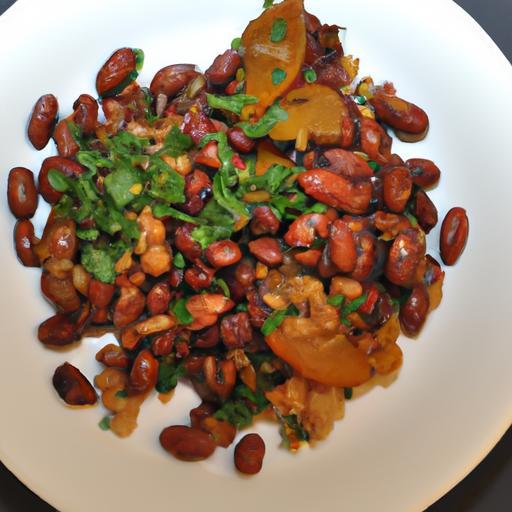
Beans have long been the hearty backbone of African kitchens, weaving their way through diverse cultures and cuisines with a comforting richness that speaks of tradition, resilience, and flavor. From the spicy stews of West Africa to the aromatic bean dishes of East Africa and the slow-cooked favorites of Southern Africa, beans are more than just ingredients-they are a celebration of the continent’s agricultural heritage and culinary ingenuity. in this journey through “Savor Africa: Appetizing Bean Recipes from Across the Continent,” we invite you to explore how these humble legumes transform into vibrant,mouthwatering meals that nourish both body and soul. Prepare to discover the stories, spices, and techniques that make African bean dishes a treasured staple on tables far beyond their places of origin.
Savor Africa: Delicious Bean recipes from Across the Continent invite you to embark on a culinary expedition that celebrates the heart of African cooking – diverse beans brimming with flavor, history, and nutrition. From the smoky, slow-simmered stews of West Africa to the fragrant bean porridges of East Africa, these recipes uncover the rich stories woven into every bite. Beans have long been a staple in African diets,cherished not only for their affordability and sustenance but also for their role in cultural rituals and festive gatherings. Join me as we explore beloved customary dishes alongside innovative twists that bring these timeless ingredients to your table with vibrant, inspiring flair.
Black-Eyed Pea Stew: A Time-Honored West African Classic
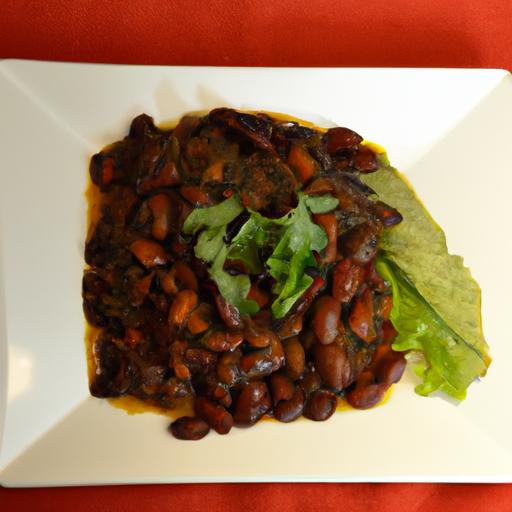
This hearty stew featuring black-eyed peas originates from Nigeria and Ghana, where it is a comforting mainstay for both everyday meals and ceremonial occasions. The creamy texture of the beans combined with aromatic spices and fresh tomatoes creates an irresistible harmony of flavors that embody West African hospitality.
Prep and Cook Time
- Planning: 15 minutes
- Cooking: 1 hour
Yield
- Serves 4-6
Difficulty Level
- Medium
Ingredients
- 2 cups dried black-eyed peas, rinsed and soaked overnight
- 4 cups water or vegetable broth
- 1 large onion, finely chopped
- 3 cloves garlic, minced
- 2 medium tomatoes, diced
- 1 red bell pepper, finely chopped
- 2 tablespoons palm oil or olive oil
- 1 teaspoon smoked paprika
- 1 teaspoon ground cumin
- 1/2 teaspoon cayenne pepper (adjust to taste)
- Salt and freshly ground black pepper, to taste
- 1 cup chopped kale or spinach (optional)
- Fresh cilantro or parsley, for garnish
Instructions
- Drain and rinse the soaked black-eyed peas. In a large pot, combine beans and water or broth; bring to a boil, than reduce heat to a simmer. Cook partially covered for about 45 minutes or until beans are tender but not mushy.
- While beans cook, heat palm oil in a large skillet over medium heat. Add onions and sauté until translucent, about 5 minutes. Stir in garlic and bell pepper, cooking for another 2 minutes.
- Add diced tomatoes to the skillet and cook down until saucy, about 7 minutes. Stir in smoked paprika, cumin, and cayenne pepper, allowing the spices to bloom for 1 minute.
- Once beans are tender, drain any excess water, reserving a cup of the cooking liquid. Stir the tomato-spice mixture into the beans, adding reserved liquid as needed for a stew-like consistency.
- Simmer gently for 10 more minutes to marry flavors. Stir in chopped greens during the last 3 minutes, allowing them to wilt.
- Season with salt and black pepper to taste. Garnish with fresh cilantro or parsley before serving.
Chef’s Notes
- For a richer flavor, try using smoked palm oil – it adds a deep, authentic aroma!
- Substitute kale with collard greens or spinach based on availability; these leafy greens boost nutrition and texture.
- If pressed for time, canned black-eyed peas can be used; reduce cooking time accordingly and rinse thoroughly.
- This stew tastes even better the next day, making it a perfect make-ahead meal.
Serving Suggestions
Serve this soulful black-eyed pea stew steaming hot over steamed white rice, jollof rice, or with a side of soft fufu to soak up every drop of its luscious sauce. Add a refreshing cucumber and tomato salad to balance the hearty richness, and sprinkle with extra herbs and a wedge of lime for brightness.
| Nutrient | Per Serving |
|---|---|
| Calories | 320 kcal |
| Protein | 18 g |
| Carbohydrates | 45 g |
| Fat | 7 g |
Bringing African Beans to your Kitchen: Preparation & Cooking Tips
The secret to mastering African bean recipes lies in thoughtful selection and preparation. when choosing dried beans, seek those free of cracks or debris to ensure even cooking.Soaking not only reduces cooking time but also helps in eliminating phytic acid, enhancing nutrient availability. Remember to rinse beans thoroughly before and after soaking.
during cooking, a gentle simmer is key – vigorous boiling can break the delicate skins, resulting in a less appealing texture. Incorporate aromatics early to infuse flavor deeply into the beans. And don’t be afraid to experiment with regional spices such as berbere from Ethiopia or dukkah from North Africa to customize your stew.
For additional guidance on beans and legumes in African cuisine, visit FAO’s Legumes Resource for expert insights on nutrition and global culinary use.

Q&A
Q&A: Exploring “Savor Africa: Delicious Bean Recipes from across the Continent”
Q1: What inspired the creation of “Savor Africa: Delicious Bean Recipes from Across the Continent”?
A: Africa’s culinary tapestry is as rich and vibrant as its diverse cultures, and beans have long been a humble yet essential ingredient woven into many traditional dishes.The book aims to celebrate this unsung hero by showcasing flavorful bean recipes from various regions-inviting readers to taste Africa’s heart through its pulses.
Q2: Why are beans such an vital ingredient in African cooking?
A: Beans are powerhouse foods-nutrient-dense, affordable, and versatile. Across Africa,they provide a vital source of protein and fiber,especially in plant-based diets. Beyond nutrition,beans carry cultural importance,often featured in communal meals and festive dishes,symbolizing sustenance and togetherness.
Q3: What makes African bean recipes unique compared to other global cuisines?
A: African bean recipes marry simplicity with bold flavors. Influenced by indigenous herbs, local vegetables, and iconic spices like berbere, peri-peri, or smoked paprika, these dishes shine with earthy complexity. the cooking methods often highlight patience and love-slow-simmered stews, spicy relishes, or smoky grilled bean patties that capture regional identity.
Q4: Which bean varieties are featured in the book?
A: The book features a colorful cast-black-eyed peas from West Africa, cowpeas from the Sahel, kidney beans from East Africa, bambara groundnuts from Southern Africa, and even the beloved chickpea from North Africa.Each variety has its distinct taste and texture, and the recipes honor their origin stories.
Q5: Can you give an example of a standout recipe from the collection?
A: One standout is the West African “Moi Moi”-a steamed black-eyed pea pudding enriched with peppers, onions, and palm oil.It’s a comforting dish that embodies the spirit of sharing and showcases how beans can transform into a silky, flavorful delight.
Q6: Are the recipes accessible to modern cooks unfamiliar with African ingredients?
A: Absolutely! While rooted in tradition, each recipe includes adaptable ingredient guides and tips for sourcing or substituting items. The goal is to break down barriers and encourage curiosity, ensuring anyone can bring a taste of Africa into their kitchen.
Q7: Beyond recipes, does the article explore cultural stories or histories?
A: Yes, the narrative weaves in tales of how beans have shaped community life, agriculture, and trade across African regions. It offers readers a richer understanding that these dishes are more than just food-they are living expressions of history and identity.
Q8: How does “savor Africa” contribute to contemporary conversations about sustainable eating?
A: Beans are championed worldwide for being environmentally sustainable protein sources. By highlighting African bean recipes, the article underscores how traditional diets can inspire modern sustainable eating habits-celebrating local crops, reducing reliance on meat, and honoring biodiversity.
Q9: What’s the best way for readers to start exploring African bean cuisine?
A: Begin with a simple stew or salad featuring locally available beans and familiar spices. Experiment with new flavor combinations, and most importantly, savor the stories and cultures each dish represents. Cooking beans from Africa is not only an act of nourishment but an invitation to journey across a continent rich in taste and tradition.
Closing Remarks
As we close our culinary journey through the vibrant tapestry of Africa’s bean dishes, it’s clear that these humble legumes are much more than just ingredients-they are vessels of history, culture, and community. From the spicy stews of West Africa to the hearty soups of East Africa and the smoky grills of the south, each recipe tells a story of resilience and tradition. So next time you seek a meal that nourishes both body and soul, remember to savor Africa’s beans-not just for their delicious flavors, but for the rich heritage they carry from one generation to the next. Dive in, cook boldly, and let every bite connect you to the heart of a continent bursting with culinary treasures.