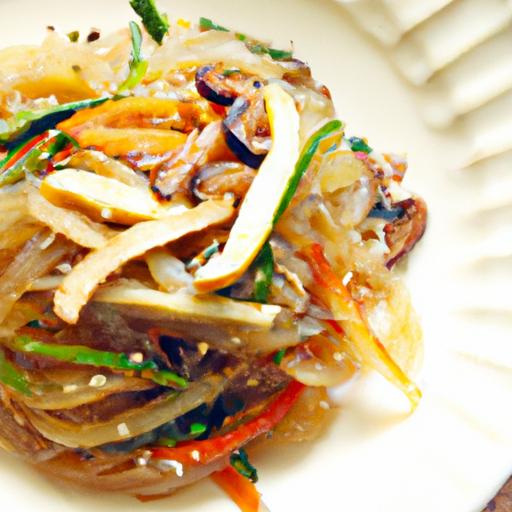



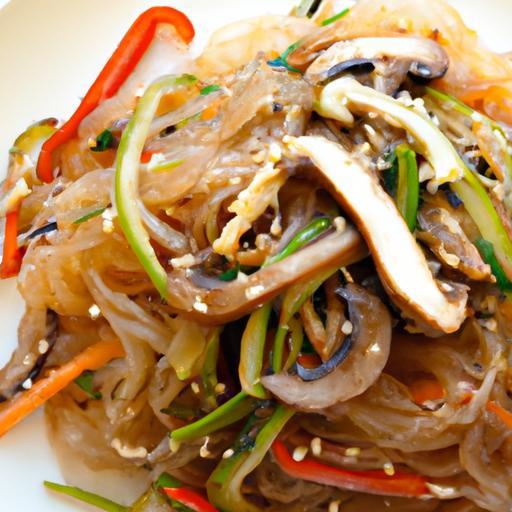
In the vibrant tapestry of Korean cuisine,where colors dance and flavors sing,Beoseot Japchae stands out as a shimmering thread woven from nature’s humble gifts. Imagine silky, translucent glass noodles, their glossy sheen catching the light like a morning dew-kissed web, intertwined with an earthy medley of mushrooms that whisper tales of forest floors and autumnal whispers. This is Beoseot Japchae-a dish that transforms simple ingredients into a culinary symphony, marrying texture and taste in every bite. Join us as we dive into the magic behind mushroom glass noodles, uncovering the traditions, techniques, and secrets that make Beoseot Japchae not just a meal, but an enchanting experience that celebrates both the artistry and soul of Korean cooking.
Beoseot Japchae is a captivating twist on Korea’s classic glass noodle dish, elevating it by spotlighting the earthy, umami-rich charm of mushrooms. Rooted in Korean royal court cuisine and beloved across generations, this version replaces the traditionally stir-fried vegetables and meat with a vibrant medley of mushrooms, creating a captivating textural contrast and depth of flavor that transforms japchae into a festivity of the forest’s bounty.
Originating from Korea’s joseon Dynasty, japchae was a dish typically served to royalty and special guests, known for its harmonious balance of sweet, savory, and nutty notes. Beoseot Japchae embraces that legacy, showcasing mushrooms that yield a uniquely chewy texture intertwined with the glossy, translucent glass noodles. This layering of textures brings a sensory delight with each bite, making it a treasured dish for both everyday meals and festive occasions.
Prep and Cook Time
- Readiness: 20 minutes
- Cooking: 15 minutes
- Total Time: 35 minutes
Yield
- Serves 4 generously
Difficulty Level
- Medium – ideal for adventurous home cooks eager to master authentic flavors
Ingredients
- 200g sweet potato glass noodles (dangmyeon)
- 150g shiitake mushrooms, stems removed, thinly sliced
- 100g oyster mushrooms, torn into bite-sized pieces
- 100g enoki mushrooms, roots trimmed
- 2 cloves garlic, minced
- 1 medium carrot, julienned
- 1 small yellow onion, thinly sliced
- 3 green onions, sliced diagonally
- 3 tbsp soy sauce, naturally brewed
- 1 tbsp sesame oil, toasted
- 1 tbsp sugar (or honey for a floral hint)
- 2 tbsp vegetable oil (preferably neutral-flavored)
- 1 tbsp toasted sesame seeds for garnish
- Fresh black pepper, to taste
Instructions
- Soak the noodles in warm water for 20 minutes until they become pliable. Drain and set aside.
- prepare your mushrooms: Gently clean all mushroom varieties with a damp cloth-avoid rinsing under water to preserve texture. Slice shiitake, tear oyster mushrooms, and trim enoki roots.
- Heat 1 tbsp vegetable oil in a large skillet over medium-high heat.Add minced garlic and sauté until fragrant, about 30 seconds.
- Add shiitake and oyster mushrooms and sauté for 4 minutes until tender but still slightly chewy. Remove from pan and set aside.
- In the same skillet,add the remaining vegetable oil and toss in julienned carrots and sliced onions.Sauté until softened and lightly caramelized, about 3-4 minutes.
- Add drained noodles to the pan, drizzle with soy sauce and sprinkle sugar over. Toss gently to combine and warm through, about 3 minutes.
- Return the mushroom mixture to the pan along with the enoki mushrooms and green onions.
- Drizzle sesame oil over the noodles and veggies; stir gently, ensuring the glass noodles turn glossy and the mushrooms maintain their unique texture.
- Season with black pepper to taste and remove from heat promptly to preserve freshness.
- Transfer to serving plate and sprinkle toasted sesame seeds on top for a delightful nutty crunch.
Expert Tips for Selecting Mushrooms and Enhancing Your Japchae Experience
When assembling the perfect Beoseot Japchae, the quality and variety of mushrooms are paramount. Choose fresh, firm mushrooms with no slimy spots or discoloration. Shiitake lend a meaty firmness and deep umami, oyster mushrooms offer a tender bite, while enoki mushrooms provide a light, crisp contrast. If unavailable, maitake and king oyster mushrooms also work beautifully.
For optimal texture, sauté mushrooms separately before combining them with the noodles, preserving their delicate flavors and preventing sogginess. Incorporate a touch of toasted sesame oil at the end to truly bring out nutty aroma and authenticity.
Pro tip: Use homemade vegetable broth rather of water when soaking your noodles to infuse subtle flavor notes from the outset. for those desiring a protein boost, thinly sliced beef or tofu cubes can be gently folded in during the final steps.
Serving Suggestions
This mushroom japchae shines served warm or at room temperature, ideal for family meals or special gatherings. Garnish with fresh julienned red chili or a sprinkle of finely chopped scallions to add bursts of color and brightness.
Accompany with crisp kimchi or lightly pickled radishes to balance the richness of the mushrooms. Pairing with a delicate green tea or subtly sweet rice wine amplifies the elegant experience.
 glossy mushroom glass noodles and toasted sesame seeds” class=”wp-image-12345″ />
| Nutrient | Per Serving |
|---|---|
| Calories | 230 kcal |
| Protein | 6 g |
| Carbohydrates | 38 g |
| Fat | 5 g |
For a step into other classic Korean dishes that complement japchae beautifully, explore this bibimbap guide to enhance your culinary journey.
Q&A
Q&A: Beoseot Japchae – Exploring the Magic of Mushroom Glass Noodles
Q1: What exactly is Beoseot Japchae?
A1: Beoseot Japchae is a delightful Korean dish that features chewy, translucent glass noodles stir-fried with an ensemble of savory mushrooms and colorful vegetables. “Beoseot” means mushroom in Korean, and “japchae” refers to mixed or assorted vegetables and noodles.The result is a magical medley where earthy mushrooms meet the slippery,shimmering noodles for a taste and texture adventure.
Q2: How do mushroom glass noodles differ from regular glass noodles?
A2: Unlike typical glass noodles made from sweet potato starch or mung bean starch, mushroom glass noodles often incorporate mushroom extracts or are paired so intimately with mushrooms that the noodles absorb their umami-rich essence. This enhances flavor and transforms an ordinary noodle into a fragrant, silky canvas celebrating mushroom magic.
Q3: What kinds of mushrooms are commonly used in Beoseot Japchae?
A3: The mushroom lineup can be quite versatile: shiitake, enoki, king oyster, and wood ear mushrooms are crowd favorites.Each brings its unique texture and depth-shiitakes add earthiness, enoki lend delicate crunch, king oysters boast meaty firmness, and wood ears provide a delightful chewiness. Together, they elevate the dish to celestial levels.
Q4: What makes the texture of Beoseot Japchae so enchanting?
A4: The key lies in achieving contrast and harmony. The glass noodles are slippery and elastic, offering a smooth bite, while the mushrooms contribute firmness and chew. When stir-fried with crisp vegetables like spinach, carrots, and bell peppers, the dish becomes a mosaic of textures that dance on your palate with every forkful.
Q5: Is Beoseot Japchae healthy?
A5: Absolutely! It’s a nutrient-powerhouse packed with fiber, antioxidants, vitamins, and minerals from the mushrooms and vegetables. The glass noodles offer energy through complex carbohydrates, making it a balanced, wholesome meal or side dish. Plus, it’s naturally gluten-free when made with traditional starch noodles, and vegan-amiable when no animal products are added.
Q6: Can beoseot Japchae be enjoyed year-round?
A6: Yes! While traditionally served during Korean celebrations like Lunar New Year or Chuseok, Beoseot Japchae’s vibrant flavors and nourishing qualities make it perfect any time of year. Whether you crave warmth during cold months or a light, flavorful dish in summer, it adapts beautifully.
Q7: What tips can you share for making perfect beoseot Japchae at home?
A7: Start by soaking glass noodles until tender but not mushy. Sauté mushrooms separately to draw out their moisture and concentrate flavors before combining everything. Season with a balanced mix of soy sauce, sesame oil, garlic, and a touch of sugar for that quintessential sweet-savory profile. Finish with toasted sesame seeds and scallions for aroma and crunch.
Q8: How does Beoseot japchae capture the essence of Korean culinary tradition?
A8: It embodies balance and harmony, hallmarks of Korean cuisine-melding diverse ingredients that complement both flavor and nutrition. The dish honors nature’s bounty, especially mushrooms revered in Korean culture for their medicinal qualities. Beoseot Japchae is more than food; it’s a celebration of earth’s gifts woven into a timeless, comforting ritual.
Dive into the enchanting world of Beoseot Japchae and let the mushroom glass noodles whisk you away on a flavorful journey where tradition meets texture in every bite.
Insights and Conclusions
As the fragrant steam rises from a sizzling pan of Beoseot Japchae, it’s clear that this dish is more than just a meal-it’s a celebration of nature’s subtle wonders and culinary artistry. The delicate mushroom-infused glass noodles invite us to explore textures and flavors that dance gracefully between earthiness and sweetness, capturing the essence of Korean tradition in every bite. Whether you’re a curious foodie or a seasoned chef, delving into the magic of mushroom glass noodles opens up a world where simplicity meets sophistication, proving that the moast humble ingredients can tell the most enchanting stories. So next time you crave something truly remarkable,let Beoseot japchae transport you to a realm of umami delights and timeless flavor.