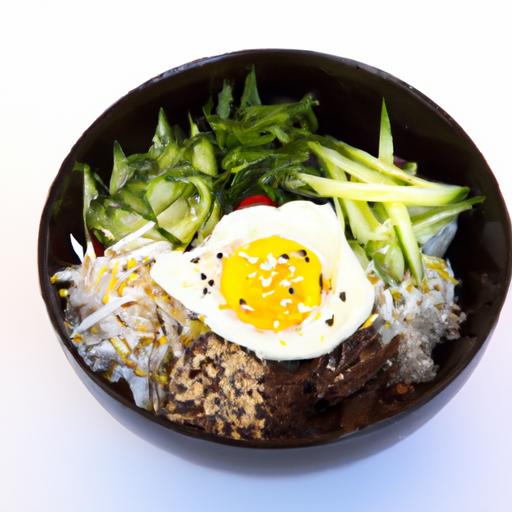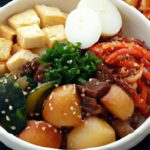
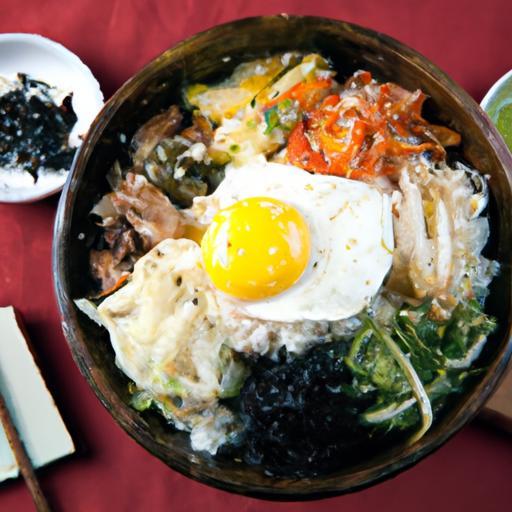
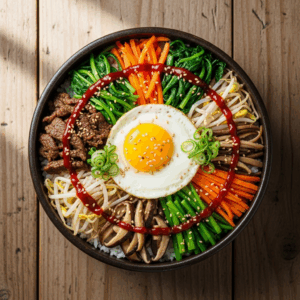
Bibimbap bliss unfolds as a vibrant tapestry of colors, textures, and flavors, inviting you on an unforgettable culinary journey through Korea’s beloved rice bowl tradition. Originating from humble royal courts and evolving through generations of Korean households, this dish is more than a meal-it’s a celebration of harmony and balance. Inspired by my first encounter with bibimbap in a bustling Seoul market, I still cherish how each bite beautifully melded savory, sweet, spicy, and earthy elements in perfect unison.
Prep and Cook Time
- Preparation: 30 minutes
- Cooking: 20 minutes
- Total Time: 50 minutes
Yield
Serves 4 generous portions
Difficulty Level
Medium – Requires attention to ingredient preparation and layering
Ingredients
- 2 cups short-grain white rice, cooked and warm
- 200g beef sirloin, thinly sliced
- 1 tablespoon soy sauce
- 1 teaspoon sesame oil
- 1 teaspoon sugar
- 1 medium carrot, julienned
- 1 cup spinach, blanched and squeezed dry
- 100g shiitake mushrooms, sliced
- 1 zucchini, julienned
- 2 cloves garlic, minced
- 4 eggs (fried sunny-side up)
- 3 tablespoons gochujang (Korean chili paste)
- 1 tablespoon vegetable oil
- 1 tablespoon toasted sesame seeds
- Pickled radish or kimchi for garnish (optional)
Instructions
- Marinate the Beef: In a small bowl, combine the beef slices with soy sauce, sesame oil, sugar, and half the minced garlic.Let rest for at least 15 minutes to tenderize and infuse flavor.
- Prepare the Vegetables: sauté carrots, zucchini, and shiitake mushrooms separately in a lightly oiled skillet over medium heat. Cook each until slightly tender but still vibrant (about 3-4 minutes each). Season lightly with salt.For spinach, season with a pinch of salt and remaining garlic.
- Cook the Beef: In the same pan, add a small amount of oil and sauté marinated beef over medium-high heat until browned and cooked through, roughly 5 minutes. Set aside.
- Plate the Rice: Divide the warm cooked rice into four individual bowls,flattening gently to create an even base.
- Arrange Toppings: Artistically place each vegetable group and cooked beef in sections around the bowl atop the rice, creating a colorful mosaic.
- Add the Egg: Top each bowl with a freshly fried sunny-side-up egg, its golden yolk adding richness and creaminess.
- Final Touch: Drizzle with gochujang according to your heat preference and sprinkle with toasted sesame seeds.
- mix and Enjoy: Before eating, vigorously stir all ingredients together, marveling at the medley of tastes and vibrant colors that make bibimbap bliss so special.
Tips for Success
- Rice Choice: Use freshly steamed short-grain rice for the ideal sticky texture that binds ingredients beautifully.
- Vegetable Prep: Sauté vegetables individually to preserve their distinct flavors and colors-this also prevents sogginess.
- Spice Control: Adjust gochujang quantity to suit your spice tolerance; mixing it with a teaspoon of sesame oil can mellow the heat.
- Make-Ahead: Prepare marinated beef and blanched vegetables up to a day ahead and refrigerate separately to streamline assembly.
- Variations: swap beef with tofu or chicken for a delightful twist; seasonal vegetables work wonderfully to adapt bibimbap to your pantry’s bounty.
Serving Suggestions
Serve bibimbap bliss in wide, shallow bowls to showcase the shining assortment of ingredients. Garnish with fresh sesame leaves or finely sliced nori for added aroma and texture. Offer small dishes of kimchi or pickled radish for a crisp,tangy counterpoint.A side of mild soybean paste soup (doenjang jjigae) complements the meal, rounding out the rich flavors with comforting warmth.
| nutrient | Per Serving |
|---|---|
| calories | 480 kcal |
| Protein | 28 g |
| Carbohydrates | 60 g |
| Fat | 12 g |

Explore the vibrant harmony of bibimbap bliss, where every ingredient sings in perfect balance, bringing Korea’s culinary heritage to your home kitchen.
For further exploration of Korean flavors and cooking techniques,you might enjoy our article on traditional and modern kimchi recipes. To deepen your understanding of korean culinary culture, consult the extensive resources at Wikipedia’s Bibimbap entry.
Q&A
Q&A: Bibimbap Bliss – A Flavorful Journey Through Korean Rice Bowls
Q1: What exactly is bibimbap and why is it so beloved in Korean cuisine?
A1: Bibimbap, literally meaning “mixed rice,” is a vibrant Korean dish that beautifully combines warm white rice with an array of sautéed veggies, seasoned meat, a fried egg, and a generous drizzle of gochujang (fermented chili paste). Its beloved status comes from the harmony of textures and flavors-crisp, creamy, spicy, and savory-offering a balanced, nourishing meal that’s both visually stunning and deeply satisfying.
Q2: How did bibimbap evolve into the iconic dish it is indeed today?
A2: Bibimbap’s roots trace back centuries as a practical yet flavorful meal for farmers and kings alike. Initially a humble bowl for mixing leftover veggies and rice, it gradually evolved into a celebratory dish symbolizing balance and unity in Korean culture. Over time, regional variations and modern twists have enriched its legacy, keeping tradition alive while inviting innovation.
Q3: What are the essential ingredients that make bibimbap unique?
A3: At the heart of every bibimbap lies perfectly steamed white rice. From there, ingredients vary but often include seasoned spinach, julienned carrots, bean sprouts, mushrooms, zucchini, and marinated beef (bulgogi). The crowning glory is the fried egg, yolk still runny, ready to coat every bite, and of course, that bold punch of spicy-sweet gochujang. Sesame oil and toasted seeds finish the dish with a nutty aroma.
Q4: Can bibimbap be adapted for vegetarians or vegan lovers?
A4: Absolutely! Bibimbap’s beauty lies in its versatility. Swap bulgogi for marinated tofu or tempeh, skip the egg or use a vegan substitute, and load the bowl with colorful veggies and mushrooms. The gochujang sauce is typically vegan,but always check for added fish sauce or honey if strict veganism is a concern. This makes bibimbap a perfect canvas for plant-based creativity.
Q5: What’s the secret to mixing bibimbap like a pro?
A5: the joy of bibimbap is in the mix-combining textures, flavors, and temperatures until each spoonful is a delightful surprise. Traditionally,ingredients are artfully presented side by side before mixing. The trick is to break the egg yolk and stir everything together with gochujang, allowing the savory, spicy sauce to envelop rice and veggies. This symphony of flavors is what creates the quintessential bibimbap bliss.
Q6: Are there any regional or modern variations of bibimbap that food adventurers should try?
A6: Indeed! Jeonju bibimbap from the city of Jeonju is renowned for its rich flavor and use of raw beef (yukhoe). Dolsot bibimbap is served in a hot stone bowl, creating a crispy rice crust at the bottom, adding an irresistible crunch. Modern chefs experiment with fusion bibimbaps, incorporating ingredients like kimchi, avocado, or even cheese, proving that bibimbap continues evolving while honoring its roots.
Q7: How can someone experience bibimbap bliss at home?
A7: To embark on your own flavorful journey, start with a good base of steamed rice.Prepare a few sautéed or blanched vegetables, marinate and cook your protein of choice, and fry an egg to perfection. Don’t skimp on the gochujang-it’s the soul of the dish. Assemble your bowl with care, then mix it all together just before eating. With a little love and creativity,your kitchen will fill with the comforting aromas of Korean tradition and modern delight.
Concluding remarks
As the final spoonful of Bibimbap melts on your palate, you’re left not just with a satisfied appetite, but with a deeper gratitude for the harmony Koreans craft in a single bowl. This vibrant medley of textures, colors, and flavors is more than a meal-it’s a cultural story served hot, inviting you to explore tradition one bite at a time. Whether you savor it in a bustling Seoul eatery or recreate it in your own kitchen, Bibimbap offers a flavorful journey that transcends borders and celebrates the art of balance. So next time you crave something both comforting and adventurous, let Bibimbap be your guide to a blissful experience rooted in centuries of culinary heritage.