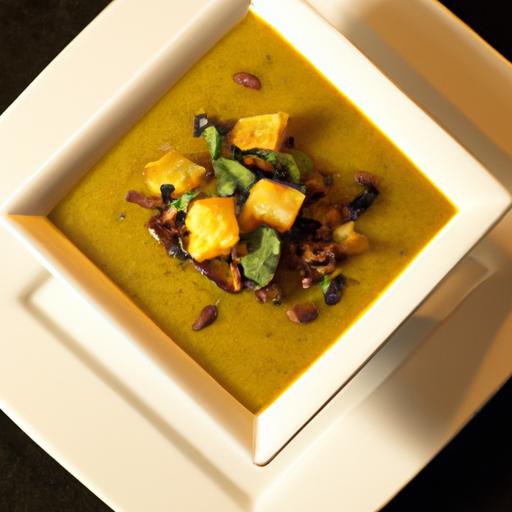
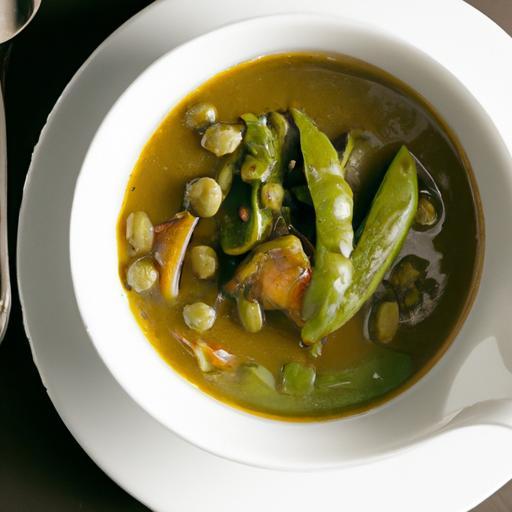
In the sun-drenched kitchens of North Africa, where ancient traditions blend seamlessly with everyday life, a humble bowl of Bissara has quietly sustained generations. This nourishing fava bean soup, with its velvety texture and comforting warmth, is far more than just a meal-it’s a culinary emblem of the region’s vibrant heritage and resourcefulness. Rooted in the heartlands of Morocco and Egypt, Bissara embodies the essence of simplicity and sustenance, transforming the modest fava bean into a dish rich with history, flavor, and cultural significance. Join us as we explore the origins, readiness, and enduring appeal of Bissara, a soulful soup that continues to nourish both body and spirit across North Africa.
Bissara: Nourishing Fava Bean Soup from north Africa’s Heart
Bissara is more than just a comforting fava bean soup-it’s a warm embrace from North Africa’s rich culinary heritage. Laden with history and tradition, this humble dish has nourished generations across Morocco, Egypt, and beyond, celebrated for its earthy flavors and extraordinary nutritional profile. I first encountered bissara on a chilly Moroccan morning, served steaming in a rustic bowl, its creamy texture and fragrant garlic instantly memorable. Whether enjoyed as a hearty breakfast or soul-soothing supper, bissara invites you to immerse yourself in a sensory journey that’s both timeless and deeply satisfying.
Prep and Cook Time
- Preparation: 10 minutes
- Cooking: 1 hour 20 minutes
- Total: 1 hour 30 minutes
Yield
Serves 4 generous portions
Difficulty Level
Easy – Perfect for cooks of every skill level
Ingredients
- 1 ½ cups dried split fava beans, rinsed and soaked overnight
- 4 cups water or vegetable broth
- 3 cloves garlic, minced
- 1 teaspoon ground cumin
- 1 teaspoon smoked paprika
- ½ teaspoon cayenne pepper (optional for heat)
- ¼ cup extra virgin olive oil, plus extra for drizzling
- Salt to taste
- Fresh lemon wedges for serving
- Chopped fresh parsley or cilantro for garnish
- Crusty bread or warm pita, for dipping
Step-by-Step Guide to Crafting Authentic Bissara at Home
- Prepare the fava beans: After soaking your dried split fava beans overnight, drain and rinse them thoroughly to remove any impurities.
- Cook the beans: In a large saucepan, combine the soaked fava beans with 4 cups of water or vegetable broth. Bring to a boil over medium-high heat,then reduce to a simmer.
- Add aromatics and spices: stir in the minced garlic, ground cumin, smoked paprika, and cayenne pepper if using.Simmer gently for 1 to 1 ¼ hours, stirring occasionally to prevent sticking, until beans are utterly tender and starting to break apart.
- Blend to achieve creaminess: Using an immersion blender, puree the soup directly in the pot until smooth and silky. Alternatively, carefully transfer batches to a blender. For an extra silky texture, pass the soup through a fine mesh sieve back into the pot.
- Season and enrich: Stir in salt to taste, then swirl in the olive oil gradually, folding it into the soup to lend a luscious mouthfeel and rich depth.
- Heat gently: Rewarm the soup briefly over low heat, stirring occasionally, just until warmed through. Avoid boiling to preserve the fresh flavors of the olive oil and spices.
- Plate and garnish: Ladle bissara into bowls. Drizzle with a little more olive oil and sprinkle fresh parsley or cilantro on top for a burst of color and freshness.
Tips for Success
- Soaking is key: Soaking dried fava beans overnight softens them, reducing cooking time and helping achieve a creamy consistency.
- Adjust thickness: For a heartier soup, cook beans longer; for a lighter, brothier texture, add more water or broth during simmering.
- Play with spices: Some traditional recipes include a pinch of turmeric,coriander,or even a bay leaf along with cumin for an aromatic twist.
- Make ahead: Bissara tastes even better the next day as the flavors meld beautifully – simply reheat gently and add a splash of water if thickened excessively.
- Substitute smartly: If dried fava beans are unavailable, split peas or chickpeas can be used, though flavor and texture will differ slightly.
Creative Variations and Serving Suggestions for Every season
Celebrate bissara’s versatility with seasonal twists and serving ideas that elevate this North African classic:
- Winter warmth: Add finely diced roasted sweet potatoes or carrots for an earthy sweetness and extra comfort during chilly months.
- Spring freshness: Garnish with thinly sliced radishes, a scattering of fresh mint, and a squeeze of lemon to brighten the bowl.
- Summer lightness: Serve chilled or at room temperature with a drizzle of chile-infused olive oil and a handful of crunchy toasted almonds.
- Autumn richness: Stir in sautéed mushrooms or caramelized onions for a more robust, savory depth.
Enjoy bissara traditionally with warm toasted bread or soft pita,perfect for scooping. For a heartier meal, accompany it with a side of grilled vegetables or a crisp salad, enhancing its wholesome appeal.
| Nutrient | Per Serving |
|---|---|
| Calories | 280 kcal |
| Protein | 18 g |
| Carbohydrates | 35 g |
| Fat | 7 g |
| Fiber | 15 g |
Health Benefits: Packed with plant-based protein, fiber, and essential minerals, bissara supports digestion, heart health, and sustained energy. Fava beans are a great source of folate, iron, and antioxidants, making this nourishing soup as good for your body as it is indeed for your soul.
For those eager to explore more North African ingredients and recipes, check out our article on Moroccan Spices: The Heartbeat of North African Cuisine. For further nutritional insight, the Academy of Nutrition and Dietetics offers excellent resources on plant-based nutrients.

Q&A
Q&A: Bissara - Nourishing Fava Bean Soup from North Africa’s Heart
Q1: What exactly is Bissara?
A: bissara is a beloved traditional soup made primarily from dried fava beans, cherished across North African countries like Morocco and Egypt. It’s a humble yet hearty dish,often enjoyed as a comfort food or a wholesome breakfast,celebrated for its creamy texture and earthy flavor.
Q2: Where dose Bissara originate from?
A: While the exact origins are woven into the tapestry of North African culinary history, Bissara is widely regarded as a staple of Moroccan and Egyptian kitchens. It reflects the rural roots and resourceful cooking of the region, where simple ingredients transform into soulful meals.
Q3: What makes Bissara so nourishing?
A: Fava beans are rich in protein, fiber, vitamins, and minerals, making Bissara a powerhouse of nutrition. The soup’s slow-cooked fava beans provide sustained energy, aid digestion, and promote heart health, turning a modest bowl into a nutritious boost for body and spirit.
Q4: How is Bissara traditionally prepared?
A: The process begins by soaking dried fava beans overnight, then simmering them gently with garlic, olive oil, and spices like cumin or paprika. The beans soften until they melt into a smooth, velvety puree. Often a drizzle of fragrant olive oil, a squeeze of lemon, or a sprinkle of chili flakes finishes the dish, adding layers of flavor that awaken the senses.
Q5: In what ways is Bissara enjoyed culturally?
A: In Morocco,Bissara is commonly served during colder months as a warming breakfast or street food,accompanied by fresh flatbread. It’s also a dish of simplicity and generosity, often shared communally. Beyond sustenance, it carries the warmth of tradition, hospitality, and home-cooked love.
Q6: Can Bissara be adapted for modern palettes?
A: Absolutely! While its classic form is cherished, cooks today experiment by adding herbs like cilantro or parsley, incorporating lemon zest for brightness, or even topping it with sautéed vegetables or crispy bread crumbs. Its versatility makes Bissara a timeless canvas for both tradition and innovation.
Q7: Why should someone try Bissara?
A: Beyond its delightful taste and nourishing qualities, Bissara offers a direct line to North African heritage and the beauty of simple ingredients. Sampling Bissara is not just eating-it’s experiencing a bowl of history, culture, and the soulful comfort of a heartwarming meal.
The Conclusion
As the rich, velvety aroma of bissara lingers in the air, it’s clear that this humble fava bean soup is far more than just a meal-it is indeed a soulful embrace from North Africa’s heart. Warming both body and spirit, bissara carries centuries of tradition in every spoonful, inviting us to savor the simple yet profound flavors cultivated by generations. whether enjoyed as a hearty breakfast or a comforting evening dish,bissara remains a nourishing testament to the region’s culinary heritage,reminding us that sometimes,the most unassuming ingredients create the most memorable experiences. So next time you seek a taste of history wrapped in rustic goodness, turn to bissara-a bowl of nourishment, culture, and connection.