

From the sun-drenched shores of the mediterranean to the snow-capped peaks of the Alps, Europe’s culinary heritage is as rich and diverse as its landscapes. At the heart of this gastronomic tapestry lies bread-a humble staple transformed through centuries into iconic loaves that tell stories of culture, tradition, and community. In “Savor Europe: Timeless Bread Recipes from Every Corner,” we embark on a flavorful journey across the continent, uncovering age-old recipes that have nourished generations. Whether it’s the crusty baguettes of France, the rustic sourdoughs of Italy, or the hearty rye breads of Scandinavia, each recipe is a window into the unique history and soul of its region. Join us as we knead, bake, and savor the timeless breads that bring Europe’s diverse cultures to the table.
Savor Europe: Timeless Bread Recipes from Every Corner – Rustic European Sourdough Loaf
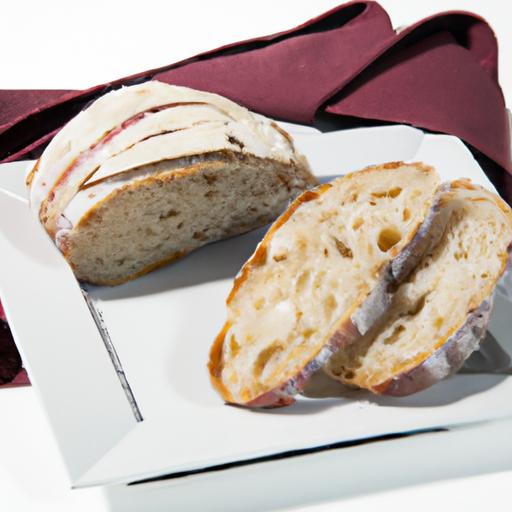
Savor Europe through the artful craft of traditional European sourdough bread, a journey that combines age-old techniques with unique regional ingredients to create a loaf that boasts an authentic crust and tender, flavorful crumb. This rustic sourdough, inspired by village bakeries scattered across the continent, reveals the charm hidden within lesser-known bread recipes you can master right in your own kitchen.
Prep and Cook Time
- Preparation: 30 minutes (plus 12-16 hours fermentation)
- Cook Time: 45 minutes
- Total Time: Approximately 13 hours (mostly inactive)
Yield
One generous 900-gram loaf (serves 6 to 8)
Difficulty Level
Medium – Ideal for adventurous home bakers ready to explore authentic European sourdough techniques.
Ingredients
- 500 g organic bread flour (preferably stone-ground or locally milled)
- 350 g filtered water, room temperature (70°F/21°C)
- 100 g active sourdough starter (fed and bubbly)
- 10 g fine sea salt
- Optional: 20 g toasted rye flour for added regional flavor and texture
instructions
- Autolyse: In a large mixing bowl, combine the bread flour (and rye flour if using) with 320 g of the filtered water. Mix until no dry flour remains. Cover and rest for 1 hour. This develops gluten and ensures a tender crumb.
- mix in starter & salt: Add the active sourdough starter and salt to the autolyzed dough. Use the remaining 30 g water to help dissolve the salt evenly. Mix thoroughly until fully incorporated; dough will be sticky but elastic.
- Bulk fermentation & stretch & folds: Cover the bowl with a damp cloth. Let the dough ferment at room temperature (around 75°F/24°C) for 4-6 hours. Every 30 minutes during the first 2 hours, perform gentle stretch and folds: with wet hands, stretch one side of the dough up and fold it over itself, repeat on all four sides. this builds strength and structure.
- Shape and proof: Lightly flour a work surface and gently tip the dough out. Shape it into a tight round boule by folding edges toward the center, then flipping over and tightening the surface. Place the dough seam-side up into a floured banneton or well-floured bowl lined with linen. Cover and refrigerate for 8-12 hours (overnight) for a slow, cold proof that enhances flavor complexity.
- Preheat and score: preheat your oven to 500°F (260°C) with a Dutch oven inside for at least 45 minutes. Carefully transfer the proofed dough seam-side down to parchment. Using a sharp lame or serrated knife, score the top with a single deep slash or artistic pattern to allow controlled oven spring.
- Bake: Place the dough (on parchment) into the hot Dutch oven, cover with the lid, and bake for 20 minutes. Remove the lid and reduce heat to 450°F (230°C). Bake uncovered for an additional 25 minutes or until the crust is deeply golden and crisp.
- Cool: Transfer the loaf to a wire rack and let cool completely for at least 2 hours before slicing. This resting period allows the crumb to set beautifully and the flavors to fully develop.
Tips for Success
- Starter strength: Ensure your sourdough starter is active-bubbly and doubled in size 4-6 hours after feeding-for best rise and flavor.
- Hydration level: Adjust water slightly depending on flour absorption; stickiness varies with flour type.
- Temperature control: Cooler fermentation slows the process but deepens flavor; warmer speeds activity but reduces complexity.
- Make-ahead: The cold overnight proof allows you to bake fresh bread in the morning with minimal effort.
- Variations: Add herbs like rosemary or thyme, or mix in whole grains for rustic regional authenticity.
- Crust tips: Place a tray with water in the oven during the first 10 minutes to create steam-key for a blistered, crisp crust.
Serving Suggestions and Wine pairings
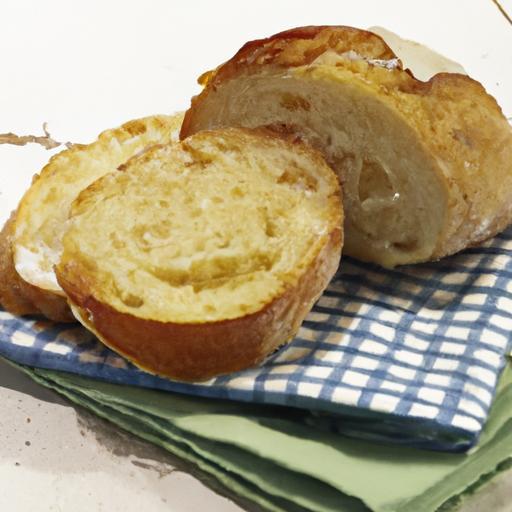
This European sourdough pairs exquisitely with artisanal cheeses like aged Manchego or creamy French Brie. For a savory touch, serve alongside local cured meats such as Italian prosciutto or Spanish chorizo. Garnish with a drizzle of extra virgin olive oil and a dusting of flaky sea salt to highlight the crust’s caramelized notes.
Complement this rustic loaf with a glass of dry white wine such as a crisp Sauvignon Blanc or an earthy pinot Noir, each bringing out the bread’s tangy undertones and chewy crumb. for a fuller experience, try pairing with a traditional European beer like a German weissbier or Belgian Saison, which elevates the sensory journey with subtle malt complexity.

| Nutrition (per slice) | Calories | Protein | Carbs | Fat |
|---|---|---|---|---|
| 1 slice (approx. 80 g) | 190 | 6 g | 38 g | 1 g |
For more inspired European bread techniques,explore our detailed guide to mastering sourdough. Dive deeper into the science of fermentation with trusted insights from King Arthur Baking’s sourdough resource.
Q&A
Q&A: Exploring “Savor Europe: Timeless Bread Recipes from Every Corner”
Q: What is Savor Europe: Timeless Bread Recipes from Every Corner all about?
A: Savor Europe is a culinary journey through the heart of Europe’s rich baking traditions. It brings together beloved bread recipes from quaint village ovens to bustling city bakeries, capturing the unique flavors and stories baked into every crust.From rustic Italian ciabatta to hearty German rye, each recipe is a delicious postcard from a corner of Europe.
Q: Why focus on bread? What makes european bread so special?
A: Bread is more than just food in Europe-it’s a cultural cornerstone, a symbol of community, history, and comfort. European breads showcase centuries-old methods blending simple ingredients with skilled craftsmanship. This timeless tradition results in loaves that aren’t just sustenance, but edible heritage with each bite carrying whispers of its origin.
Q: Are the recipes accessible for home bakers?
A: Absolutely! While the book honors traditional methods, it also offers approachable instructions that respect the home baker’s rhythm and resources. Whether you have a rustic wood-fired oven or a modest kitchen setup, you’ll find clear guidance to create authentic breads that fill your home with the warm aroma of Europe.
Q: Does the book provide cultural context alongside recipes?
A: Yes,each recipe is paired with captivating stories-introducing you to the regions,historical backgrounds,and baking customs that give each bread its unique identity. This blend of culinary art and storytelling invites readers not just to bake, but to savor the cultural tapestry woven into every loaf.
Q: What types of breads can readers expect to explore?
A: The spectrum is truly diverse! From the buttery French brioche and crusty Spanish pan con tomate, to the dense Scandinavian knäckebröd and aromatic Hungarian pogácsa, the book celebrates the continent’s vast range of flavors, textures, and baking techniques. It’s a passport to taste Europe’s bread legacy in your own kitchen.
Q: Can beginners succeed with these recipes?
A: Definitely! The book is designed to inspire confidence, providing tips on mastering fermentation, kneading, and baking, along with troubleshooting help. The joy of bread-making is emphasized-embracing heritage while encouraging creative exploration. Even first-time bakers will find themselves delightfully surprised.
Q: How does Savor Europe differ from other bread cookbooks?
A: Rather than just listing recipes, Savor Europe weaves together history, culture, and baking into a rich narrative. It’s a sensory tour, inviting readers to connect with Europe’s bread-making soul-not just through taste, but through story and tradition, creating a truly immersive baking experience.
Q: Who will enjoy this book the most?
A: Food lovers, home bakers, cultural explorers, and anyone curious about Europe’s culinary heritage will find this book a treasure. It’s perfect for those who see baking as an art and storytelling as a way to deepen their connection to the food on their table.
Dive into Savor Europe: Timeless Bread Recipes from Every Corner and let each loaf take you on a flavorful journey across the continent-one bite at a time.
Closing Remarks
as we close this flavorful journey through Europe’s timeless bread traditions,it’s clear that each loaf tells a story-of culture,history,and the hands that knead the dough with care. From the crusty baguettes of France to the hearty rye breads of Eastern Europe, these recipes invite us not only to savor unique tastes but to connect with centuries-old customs that continue to rise with every generation.So whether you’re a seasoned baker or a curious food lover, let these breads inspire your own kitchen adventures, and in every slice, taste the rich heritage of a continent united by its love of breaking bread.