In the heart of Britain lies a culinary heritage as rich and textured as its rolling countryside and historic cities. “Savoring Tradition: A Journey Through Authentic British Cuisine” invites you to explore the flavors that have shaped generations-dishes born from hearty farmers’ fare, coastal catches, and time-honored recipes passed down through centuries. From the comforting embrace of a Sunday roast to the subtle complexities of regional specialties, this journey delves beyond stereotypes to reveal a vibrant tapestry of tastes that celebrate Britain’s cultural roots and evolving palate. Join us as we uncover the stories, ingredients, and rituals that make British cuisine a flavorful testament to tradition and innovation alike.
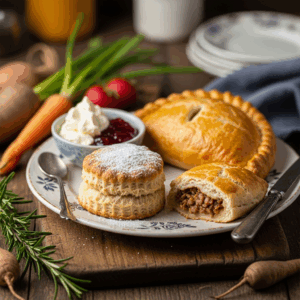
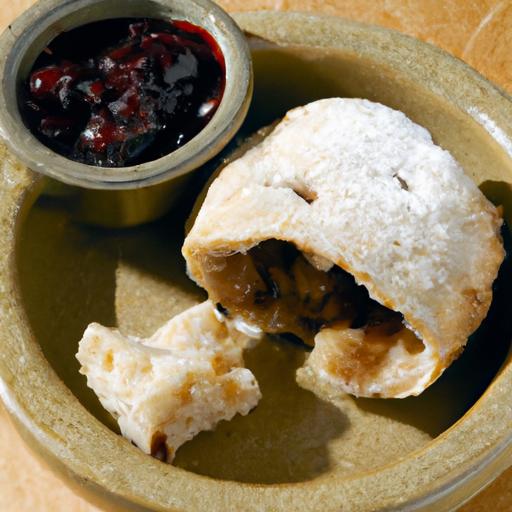
Savoring Tradition unveils the rich tapestry of British culinary heritage through one of the most beloved classics: the hearty Cornish Pasty. Originating from Cornwall, this golden-crusted pastry is more than just a meal; it is a testament to generations of miners who cherished a portable, nourishing dish. The pasty’s flaky exterior encases a perfectly seasoned filling of beef, potato, rutabaga, and onion, showcasing the humble yet robust flavors of regional England. With every bite, you’re tasting a story passed down from hand to hand, a comforting reminder of home and history blended seamlessly in one quintessential British delight.
Prep and Cook Time
- Preparation: 30 minutes
- Cooking: 45 minutes
- Total Time: 1 hour 15 minutes
Yield
Makes 4 generously sized Cornish Pasties
Difficulty Level
medium – Perfect for home cooks ready to embrace conventional British baking
Ingredients
- For the pastry:
- 3 cups all-purpose flour, sifted
- 1 cup cold unsalted butter, diced
- 1 teaspoon salt
- 6-8 tablespoons ice-cold water
- For the filling:
- 8 oz (225g) beef skirt or chuck, finely diced
- 1 medium onion, finely chopped
- 1 medium potato, peeled and diced small
- ½ rutabaga (swede), peeled and diced small
- salt and freshly ground black pepper, to taste
- 2 tablespoons beef stock or gravy (optional, for moistening)
- 1 egg, beaten (for egg wash)
Instructions
- Make the pastry: Combine the sifted flour and salt in a large bowl. Add the diced cold butter and rub it into the flour with yoru fingertips until the mixture resembles coarse breadcrumbs. Gradually add ice-cold water,one tablespoon at a time,stirring with a fork until the dough just comes together.
- Turn the dough out onto a lightly floured surface and knead briefly into a smooth ball. Wrap in cling film and chill for at least 30 minutes.
- Prepare the filling: In a bowl, gently mix the diced beef, chopped onion, potato, and rutabaga. Season generously with salt and pepper. Add the beef stock if you prefer a moister filling. Be careful not to overmix to keep the texture tender.
- Preheat the oven to 400°F (200°C), and line a baking tray with parchment paper.
- Divide the pastry into four equal portions. Roll each portion into a circle about 8 inches (20 cm) in diameter.
- Place a quarter of the filling onto one half of each pastry circle, leaving a 1-inch border around the edge.
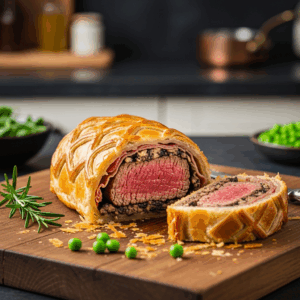
- Brush the edges with a little cold water, then fold the pastry over the filling to create a half-moon shape. Press the edges together firmly, crimping decoratively to seal.
- Place the pasties on the baking tray. Brush the tops with beaten egg for a shiny, golden finish.
- Cut a small slit in the top of each pasty to allow steam to escape during baking.
- Bake for 40-45 minutes until the pastry is crisp and golden, and the filling is cooked through.
Chef’s Notes
- Ingredient Variations: Swap beef for lamb or add finely chopped carrots for extra sweetness.
- Pastry Tips: Keep your butter cold and work quickly to achieve flaky layers.
- Make-Ahead: Pasties freeze well either pre-baked or baked-thaw before reheating for best results.
- Common Pitfall: Avoid overfilling to prevent the pastry from bursting.
Serving Suggestions
Serve warm with a dollop of sharp English mustard or tangy brown sauce to enhance the meat-filled richness. Pair with a crisp pale ale or traditional English cider from the West Country for a consummate authentic experience. Garnish with fresh parsley for a touch of green that brightens the plate visually.

| nutrient | Per Serving |
|---|---|
| Calories | 450 kcal |
| Protein | 23 g |
| Carbohydrates | 45 g |
| Fat | 18 g |
Exploring Perfect Beverage Pairings for Traditional British Dishes
Nothing complements a Cornish Pasty quite like regional beverages steeped in history. Try serving with a chilled real ale from Cornwall or an aged Yorkshire ale,both enhancing the savory depth of this comforting dish. For non-alcoholic options, a robust British tea brewed strong enough to stand up to the rich flavors creates a harmonious balance, inspiring a true savoring tradition moment at your table.
Discover more about classic British desserts to round out your meal with authentic sweetness and continue your culinary journey.
Q&A
Q&A: Savoring Tradition – A Journey Through Authentic British Cuisine
Q1: What makes british cuisine unique compared to other European food traditions?
A1: british cuisine is a rich tapestry woven from centuries of history, climate, and cultural shifts. Unlike the Mediterranean vibrancy or the continental finesse, British food embraces hearty simplicity and seasonal ingredients. It’s comfort on a plate, reflecting the rugged landscapes and maritime heritage-from buttery Cornish pasties to the robust flavors of Lancashire hotpot. Its uniqueness lies in its underappreciated depth: dishes that tell stories of community, harvest festivals, and imperial influences all in one bite.
Q2: Can you name some classic British dishes that have stood the test of time?
A2: Absolutely! Think of the iconic Sunday roast-succulent roasted meats paired with crispy roast potatoes, Yorkshire pudding, and a generous ladle of gravy. Then there’s fish and chips,the beloved crispy-fried cod or haddock with thick-cut fries,wrapped traditionally in newsprint.Another stalwart is shepherd’s pie, a cozy casserole of minced lamb under a blanket of creamy mashed potatoes. Don’t forget staples like Cornish pasties, black pudding, and sticky toffee pudding for that sweet finale.
Q3: How does British cuisine reflect the seasons and local produce?
A3: British cooking has always been tied to the land’s rhythms. Spring brings fresh asparagus and lamb, summer offers vibrant berries and new potatoes, autumn heralds game and root vegetables, while winter is the domain of hearty stews and preserved goods. Markets and local farms still influence menus, with chefs showcasing native ingredients like wild garlic, elderflowers, and Hever strawberries. This deep connection to seasonality ensures that British food remains fresh, lasting, and rooted in place.
Q4: Has British cuisine evolved substantially in recent years?
A4: Certainly. While tradition anchors British cuisine, it’s far from static. The renaissance of british cooking has seen chefs reinterpreting classics with modern techniques and global influences. Vegan and vegetarian versions of traditional dishes are on the rise.Regional authenticity is cherished, but there’s also a playful experimentation with spices and presentation. this dynamic blend honors heritage while appealing to contemporary tastes and health-conscious diners.
Q5: What role do pubs play in the story of British food culture?
A5: Pubs are the heart and hearth of British culinary tradition-more than just places to drink, they are communal hubs where comfort food thrives. The “pub grub” culture celebrates robust, uncomplicated fare designed to fuel social gatherings: think steak and kidney pudding, ploughman’s lunch, or a Scotch egg. pubs preserve recipes often passed down through generations, supporting local brewers and farmers in the process. They embody the convivial spirit and storytelling that define British food culture.
Q6: How can an international traveler best experience authentic British cuisine?
A6: Dive into the local scenes beyond London’s tourist hotspots. Visit countryside villages, coastal towns, and bustling market cities like York, Bath, or Edinburgh. Try family-run pubs or farmers’ markets to taste food grounded in local heritage. Don’t shy away from traditional Sunday roasts or regional specialties-sampling haggis in Scotland or oatcakes in Yorkshire offers a true flavor of place. And always engage with locals-their stories are as rich as the dishes on your plate.
Q7: Why is it crucial to preserve traditional British recipes today?
A7: Preserving traditional recipes safeguards cultural identity and honors the ingenuity of ancestors who worked with limited resources to create nourishing, delicious food. Each recipe is a vessel of history, reflecting societal shifts, agricultural practices, and local environments. In an era of globalization and fast food, holding onto thes culinary treasures enriches our collective heritage and ensures that future generations understand and appreciate their roots through taste.
This Q&A explores the soul of British cuisine-rooted in tradition, enriched by place, and evolving with time. It invites food lovers on a flavorful journey through the British Isles, celebrating dishes that comfort and connect.
Closing Remarks
As our culinary journey through the heart of authentic British cuisine draws to a close, we are reminded that these time-honored dishes are far more than mere recipes-they are stories served on a plate. From the humble Yorkshire pudding to the rich, comforting embrace of a steak and kidney pie, each bite carries with it the echoes of history, culture, and community. Savoring tradition means honoring the tapestry of flavors woven through generations, inviting us not only to taste but to experience the soul of Britain. So next time you sit down to enjoy a classic British meal,remember: you’re partaking in a living heritage,one delicious moment at a time.