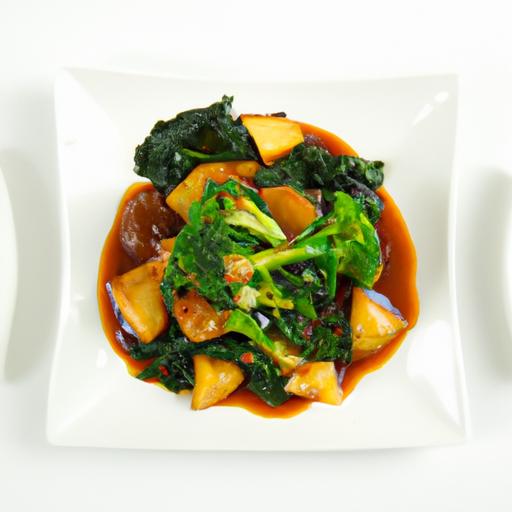
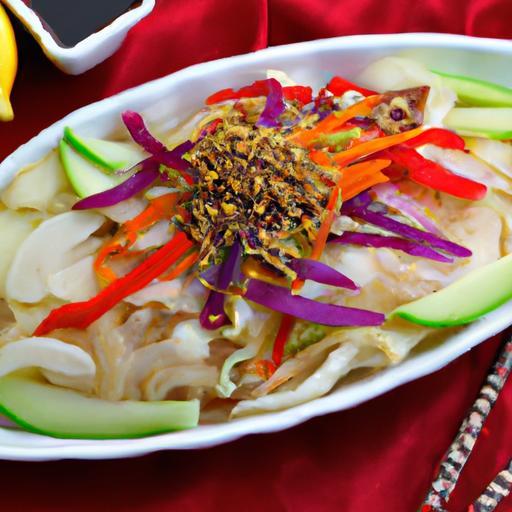
Step into the vibrant world of Luohan Zhai, where tradition and innovation converge on a single plate to celebrate the essence of mindful eating. “Buddha’s Delight Unveiled: Exploring Luohan Zhai’s Vegan Feast” invites you on a culinary journey through one of the most revered offerings in Buddhist cuisine-buddha’s Delight, or Luohan Zhai as it is indeed lovingly known in Chinese culture. Beyond just a meal, this feast embodies centuries of spiritual symbolism, artful preparation, and a profound respect for nature’s bounty.Join us as we unravel the story behind this exquisite vegan banquet, exploring its origins, ingredients, and the cultural tapestry that transforms simple vegetables into a feast for both body and soul.
Buddha’s Delight Unveiled is more than just a vegan meal; it is a centuries-old culinary tradition known as Luohan Zhai,cherished for its symbolic richness and harmonious blend of flavors. Originating from Buddhist vegetarian cuisine, this vibrant medley celebrates simplicity and spirituality through a colorful array of vegetables, tofu, and mushrooms, offering a feast that nourishes both body and soul.My first encounter with Buddha’s Delight was during a serene temple visit, where the fragrance of simmering spices and fresh ingredients instantly conveyed peace-a moment I longed to recreate in my own kitchen.

Prep and Cook Time
- Preparation: 25 minutes
- Cooking: 40 minutes
- Total Time: 1 hour 5 minutes
Yield
Serves 6 generously,perfect for sharing family-style or festive occasions.
Difficulty Level
medium – Requires attention to ingredient prep, but wonderfully rewarding.
Ingredients
- 1 cup dried shiitake mushrooms, soaked and sliced
- Pour in soy sauce, vegetarian oyster sauce, Shaoxing wine, sugar,
- 1 cup bamboo shoots, julienned
- 1 block (14 oz) firm tofu, pressed and cubed
- 1 cup snow peas, trimmed
- 1 cup napa cabbage, chopped
- 1/2 cup wood ear mushrooms, soaked and sliced
- 1/2 cup carrots, julienned
- 4 cloves garlic, minced
- 1 tbsp ginger, grated
- 3 tbsp vegetable oil
- 2 tbsp light soy sauce
- 1 tbsp vegetarian oyster sauce
- 1 tbsp Shaoxing wine (optional)
- 1 tsp sugar
- 1 cup vegetable broth
- Salt and white pepper to taste
- Pour in soy sauce, vegetarian oyster sauce, Shaoxing wine, sugar,
- 2 stalks green onion, sliced thinly (for garnish)
- 1 tbsp toasted sesame oil
Instructions
-
- Rehydrate the dried shiitake and wood ear mushrooms in warm water for 30 minutes. Drain, squeeze out excess water, and slice thinly.
- Press the tofu to remove excess moisture by wrapping in paper towels and placing a heavy object on top for 15 minutes. Cut into 1-inch cubes.
- Heat 2 tbsp vegetable oil in a large wok over medium-high heat. add tofu and pan-fry until golden brown on all sides, about 7 minutes.Remove and set aside.
- Add remaining 1 tbsp oil to the wok. Sauté garlic and ginger until fragrant, about 1 minute.
- Add mushrooms, bamboo shoots, carrots, napa cabbage, and snow peas. Stir-fry gently for 5-7 minutes, allowing vegetables to soften but retain their crunch.
and vegetable broth. Stir well to combine.
- Return tofu to the wok, gently folding it into the vegetable mixture. Simmer uncovered for 10 minutes to meld flavors.
- Season with salt and white pepper to taste. Drizzle toasted sesame oil over the top and toss lightly.
- Garnish with sliced green onion before serving for a fresh, peppery contrast.
Chef’s Notes: Tips for Success
- for authentic Buddha’s Delight Unveiled flavors, use fresh or high-quality dried mushrooms, which add woodsy umami depth.
- If unavailable, substitute vegetarian oyster sauce with a mixture of mushroom soy sauce and a touch of molasses for sweetness.
- Pressing tofu well ensures it soaks up the savory sauce without falling apart-opt for firm or extra-firm varieties.
- This dish can be made ahead; gently reheat over low heat with a splash of broth to maintain moisture.
- Feel free to add other traditional ingredients like lotus root, water chestnuts, or baby corn for textural contrast.
- Vegetable broth enhances the dish’s richness-homemade or low-sodium store-bought options work best.
Serving Suggestions
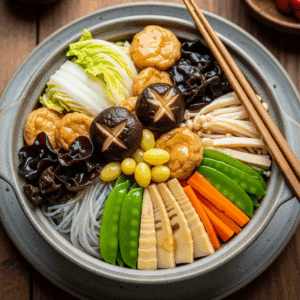
Buddha’s Delight is best served steaming hot alongside perfectly steamed jasmine rice or fragrant brown rice to balance its hearty flavors. Present in a large shallow bowl,garnished with fresh green onions and a sprinkle of toasted sesame seeds for visual appeal and added aroma. For added color, a few thinly sliced red chili strips or fresh cilantro leaves make excellent garnishes. This dish pairs beautifully with simple stir-fried greens or a tangy kimchi side to add a tangy counterpoint.
| nutrient | Per Serving |
|---|---|
| Calories | 180 kcal |
| Protein | 12 g |
| Carbohydrates | 16 g |
| Fat | 8 g |
Explore more vegan Asian recipes to complement your plant-based journey. For an in-depth look into the cultural roots of Buddhist cuisine, visit Encyclopedia Britannica.

Q&A
Q&A: Buddha’s Delight Unveiled – Exploring Luohan Zhai’s Vegan Feast
Q1: What exactly is Buddha’s Delight, and why is it notable in Chinese cuisine?
A1: Buddha’s Delight, or “Luohan Zhai” (罗汉斋), is a traditional Buddhist vegetarian dish celebrated in Chinese culture. It’s more than just a meal-it’s a harmonious blend of nature’s bounty, designed to nourish the body and soul. Historically enjoyed by monks and laypeople during festive occasions, it embodies simplicity, mindfulness, and compassion by excluding all animal products.
Q2: What makes Luohan Zhai’s version of Buddha’s Delight stand out from others?
A2: Luohan Zhai brings a unique artistry to Buddha’s Delight by elevating humble ingredients into a vibrant, multi-textured feast. Known for their meticulous preparation and innovative use of seasonal vegetables, mushrooms, tofu, and seaweeds, Luohan Zhai’s vegan rendition balances traditional flavors with modern culinary flair-making the ancient dish accessible and thrilling for today’s plant-based gourmets.
Q3: Can you describe the typical ingredients and flavors involved in this vegan feast?
A3: The heart of Buddha’s Delight is its medley of vegetables like Chinese cabbage, bamboo shoots, shiitake mushrooms, lotus root, and wood ear fungus, combined with tofu derivatives and fragrant seasonings such as ginger, garlic, and soy sauce. The flavors are subtle yet layered-comforting umami mingles with fresh, earthy notes, creating a symphony that nourishes both palate and spirit.
Q4: Why is Buddha’s Delight particularly revered during certain times or festivals?
A4: This dish is traditionally served during the Lunar New Year or the vegetarian days observed in Buddhist culture. It symbolizes purity, renewal, and reverence for life. Eating Buddha’s Delight during these moments is an act of cleansing and mindfulness,a gentle reminder to embrace kindness toward all beings and reflect on one’s inner peace.
Q5: How does enjoying Luohan zhai’s Buddha’s Delight connect modern diners to ancient Buddhist practices?
A5: Partaking in Luohan Zhai’s Buddha’s Delight offers more than a meal-it’s an immersive cultural experience. Diners engage with centuries-old principles of non-violence, simplicity, and respect for nature. The mindful consumption of this vegan feast invites modern eaters to pause, appreciate life’s interconnectedness, and honor traditions that have transcended time.
Q6: Who can enjoy Luohan zhai’s vegan Buddha’s Delight? Is it suitable for all diets?
A6: Absolutely! Luohan Zhai’s Buddha’s Delight is vegan and often gluten-free, appealing to a broad spectrum of dietary preferences including vegetarians, vegans, and flexitarians. its wholesome, nutrient-dense ingredients make it a healthy choice that anyone seeking flavorful, ethical dining can savor.
Q7: Where can one experience Luohan Zhai’s buddha’s Delight today?
A7: Many upscale vegetarian restaurants specializing in Buddhist cuisine feature Luohan Zhai’s rendition of Buddha’s Delight. Additionally, cooking enthusiasts can find recipes inspired by Luohan Zhai’s artistry online or in vegan Chinese cookbooks, enabling them to bring this timeless feast into their own kitchens.
Buddha’s Delight is not just a dish-it’s a culinary pilgrimage that celebrates life, mindfulness, and the rich tapestry of plant-based tradition. Through Luohan Zhai’s inspired vegan feast, this ancient heritage continues to delight and enlighten new generations.
Final Thoughts
As we close the chapter on our culinary journey through Luohan Zhai’s Buddha’s Delight, we find ourselves not only satiated but enlightened by the vibrant tapestry of flavors and mindful traditions woven into this vegan feast. More than just a meal, Buddha’s Delight is a celebration of balance, purity, and reverence-a reminder that food can nourish the body, uplift the spirit, and honor the earth. whether you’re a seasoned plant-based eater or simply curious about the harmony of Buddhist cuisine, Luohan Zhai offers a delicious gateway to a world where simplicity meets sophistication. So next time you seek nourishment beyond taste, let Buddha’s Delight guide your palate and your heart toward mindful eating and profound cultural thankfulness.