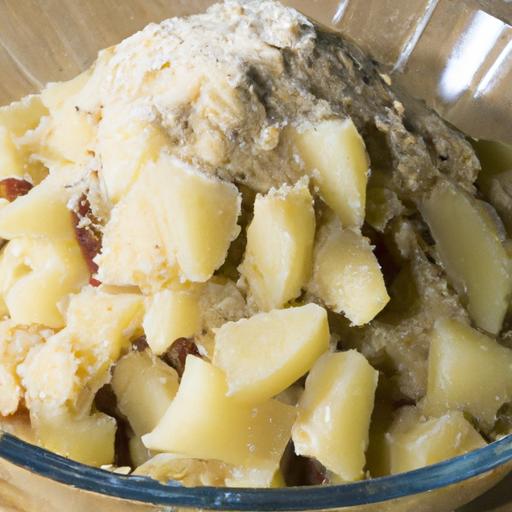
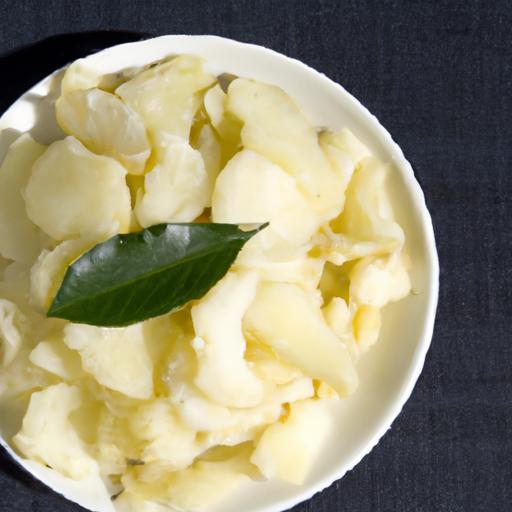
Nestled within the vibrant culinary tapestry of West africa lies a hidden gem beloved by the people of Togo: Agbelima. This traditional cassava dough delight is more than just a staple food-it’s a flavorful journey into the heart of Togolese culture. With its subtly tangy taste and satisfyingly chewy texture,Agbelima embodies centuries of heritage,storytelling,and communal spirit. In this article, we invite you to discover the origins, planning, and cultural significance of Agbelima, unlocking the secrets behind one of Togo’s most cherished and time-honored dishes.
The Origins and Cultural Significance of Agbelima in Togo
Agbelima is a cherished culinary treasure hailing from Togo, deeply rooted in the rich traditions of the ewe people. This traditional cassava dough is more than just a staple food; it embodies centuries of agricultural knowledge, communal spirit, and cultural identity. Historically, cassava cultivation shaped the region’s subsistence farming, with families gathering to process cassava roots by hand-transforming them into the smooth, elastic dough known as Agbelima. Its preparation is a time-honored ritual blending skill,patience,and respect for the land,frequently enough served during festive occasions and everyday meals alike.
The unique process of fermenting cassava imparts a subtle tang and soft texture to the dough, making it a beloved base for manny Togolese dishes. Agbelima symbolizes resilience and connection, bringing families together over shared labor and meals.It’s frequently enough paired with savory pepper sauces, hearty stews, or fresh vegetables, creating a comforting balance of flavors and textures that echo the vibrant culinary heritage of Togo.
The Art of Preparing Traditional Cassava Dough From Root to Plate
Experience the authentic world of Agbelima by mastering its intricate preparation. It all begins with fresh, hand-harvested cassava roots, peeled and soaked for days to ferment naturally. This fermentation softens the roots and develops a signature sourness essential to Agbelima’s character. After soaking, the cassava is finely grated into a wet pulp, then wrapped tightly in banana or plantain leaves and pressed to squeeze out excess moisture.
The resulting dough is kneaded until smooth and elastic, then either steamed or cooked over low heat until firm yet tender. This painstaking process calls for a gentle touch-too much moisture and the dough becomes mushy; too dry, and it loses its pliability. When finished,Agbelima should be a slightly glossy,springy dough with a faint,pleasant sour note that elevates every bite.
Flavor Profiles and Serving Suggestions to Elevate Your Agbelima Experience
The charm of Agbelima lies in its subtle sourness and moist, chewy texture, which serves as the perfect canvas for bold, piquant accompaniments. Traditional pairings include spicy tomato-based sauces enriched with smoked fish or beef, fragrant palm oil, and sautéed onions. The dough’s mild tang balances fiery heat and rich umami flavors beautifully.
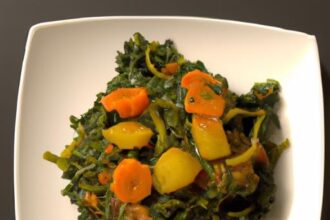
For contemporary twists, consider serving Agbelima with vibrant vegetable sautés, roasted chili spreads, or nutritious peanut sauces. Garnish with fresh herbs like parsley or coriander for a hint of brightness. A drizzle of zesty lime juice or a sprinkle of toasted sesame seeds can add depth and contrast, making the experience visually striking and deliciously memorable.
Tips for Sourcing Authentic Ingredients and Mastering Homemade Agbelima
Authenticity in Agbelima starts with choosing the right cassava. Opt for fresh, firm roots without blemishes or sprouts. In markets where fresh cassava is unavailable, dried cassava flour (gari) can be an alternative, but it requires adjustments to hydration and fermentation time. For fermentation, a warm climate accelerates the process; if you’re in cooler areas, use a food-safe fermenting container and maintain ambient warmth to replicate traditional conditions.
investing in banana or plantain leaves for wrapping enhances flavor through gentle steaming and natural aroma infusion-these can often be found in African or Latin grocery stores. To master homemade Agbelima, patience is key: allow fermentation to proceed fully and handle the dough gently for the best texture. Don’t rush the cooking stage; a slow steam or low heat cook ensures a perfect, tender finish.
Embrace the rich culinary journey that agbelima offers; it’s a dish that not only fills the stomach but also connects you to Togo’s cultural heartbeat.
Prep and Cook Time
- Preparation: 3-4 days (including fermentation)
- active Prep: 45 minutes
- Cooking: 30 minutes
Yield
Serves 6-8 as a main accompaniment
Difficulty Level
Medium – Requires time for fermentation and careful handling
Ingredients
- 4 pounds fresh cassava roots, peeled and cleaned
- Banana or plantain leaves for wrapping (optional but recommended)
- Water for soaking and rinsing
- Pinch of salt (optional, for seasoning)
Instructions
- Prepare the Cassava: Peel the cassava roots carefully to remove the tough outer skin and any brown fibers inside.
- Soak for Fermentation: Submerge peeled cassava in a large bowl of clean water.
Allow it to ferment at room temperature for 3-4 days,changing water daily to control odor while promoting souring. - Grate the Cassava: Once fermented, grate the cassava finely into a wet pulp.
Ensure you wear gloves to protect your skin from irritation. - Press and Wrap: Transfer the grated cassava onto banana or plantain leaves.
Wrap tightly and press with a heavy weight for 2-3 hours to remove excess liquid.
Alternatively,use a clean kitchen towel to squeeze moisture out if leaves are unavailable. - Knead the Dough: Unwrap the pressed cassava pulp and knead on a clean surface until smooth and elastic.
Add a pinch of salt if desired for flavor enhancement. - Cook the Dough: Form the kneaded dough into a loaf or small individual portions.
Steam over medium heat for 25-30 minutes, turning halfway to ensure even cooking.
The dough should become firm and slightly shiny. - Serve Warm: Remove from steam and let rest for 5 minutes before slicing or shaping.
Agbelima is best enjoyed while still warm.
Chef’s Notes: Tips for Success
- Fermentation is Crucial: Proper fermentation develops Agbelima’s signature tang and texture; avoid shortcuts.
- Leaf Wrapping Adds Aroma: Use banana leaves for wrapping if available-the natural steam infusion elevates flavors.
- Adjust Moisture as Needed: If dough feels too wet, press longer; if too dry, sprinkle a little water and knead to improve pliability.
- Make Ahead: Store cooked Agbelima in an airtight container in the fridge for up to 3 days; reheat by steaming or microwaving with a damp cloth.
- Substitutions: In absence of fresh cassava, dried cassava flour can be used but requires rehydration and slight recipe adaptation.
Serving Suggestions
Present Agbelima as a traditional platter with sides like spicy palm nut stew, pepper sauces, or sautéed greens. Garnish with thinly sliced fresh chili, chopped parsley, or a drizzle of roasted peanut oil for vibrant flavor contrasts.pair with grilled fish or hearty meat dishes to create a farm-to-table feast full of authentic togolese soul.

| Nutrient | Per Serving (100g) |
|---|---|
| Calories | 230 |
| Protein | 1.5g |
| Carbohydrates | 55g |
| Fat | 0.5g |
For more authentic African cassava recipes, explore our African Cassava Dishes collection. To deepen your understanding of cassava’s cultural roots and health benefits, visit FAO’s cassava resource page.
Q&A
Q&A: Agbelima – Discovering Togo’s Traditional Cassava Dough Delight
Q1: What is Agbelima?
A1: Agbelima is a beloved traditional Togolese dish made from fermented cassava dough. Often described as a tangy, slightly sour staple, it holds a special place in the culinary heart of Togo, showcasing the country’s rich agricultural heritage and time-honored cooking techniques.
Q2: How is agbelima prepared?
A2: The making of Agbelima begins with peeling and soaking cassava roots to ferment for several days. This fermentation imparts its characteristic sour flavor. Afterward,the cassava is ground into a smooth dough,wrapped in leaves or plastic,and steamed until it transforms into a soft,elastic delight.The process requires patience and skill, passed down through generations.
Q3: What does Agbelima taste like?
A3: Imagine a subtle sourness mingled with earthy undertones,wrapped in a chewy,almost stretchy texture. Agbelima’s flavor is both comforting and intriguing, often complemented by spicy sauces, savory stews, or rich palm nut soups, making it a versatile canvas for Togolese flavors.
Q4: Why is Agbelima significant in Togolese culture?
A4: Beyond its delicious taste, Agbelima symbolizes community and tradition. Its preparation is often a communal activity, reinforcing family bonds. It also represents the ingenuity of using native crops like cassava in lasting, resourceful ways, reflecting togo’s identity and resilience.
Q5: Can Agbelima be enjoyed outside Togo?
A5: Absolutely! While it’s a cultural treasure of Togo, Agbelima’s unique taste and texture can delight food enthusiasts worldwide. Many Togolese communities abroad keep the tradition alive, and adventurous cooks can explore making Agbelima at home with fermented cassava and a bit of culinary curiosity.
Q6: Are there any health benefits to eating Agbelima?
A6: Yes, Agbelima’s primary ingredient-cassava-is a good source of carbohydrates, providing energy. The fermentation process can enhance digestibility and introduce beneficial probiotics. Though, it’s vital to prepare cassava properly to eliminate natural toxins, a step well mastered in traditional methods.
Q7: What dishes are commonly served with Agbelima?
A7: Agbelima pairs beautifully with spicy pepper sauces, hearty peanut soups, and vibrant vegetable stews that reflect Togolese flavors. It acts as a neutral base that soaks up rich sauces, creating a fulfilling and balanced meal.
Q8: How can someone new to Agbelima best experience it?
A8: For first-timers, enjoying Agbelima at a Togolese restaurant or festival is ideal, to taste the dish in its authentic form and atmosphere. If that’s not possible, trying to cook with traditional recipes or seeking out Togolese cooks and communities nearby can open a delicious door to this cultural gem.
Discovering Agbelima is more than just tasting a dish-it’s embracing a story of tradition, nature, and community woven into every bite of Togo’s treasured cassava dough.
Concluding Remarks
in the vibrant tapestry of Togo’s culinary heritage, Agbelima stands out as more than just a dish-it is a flavorful journey into the heart of tradition and community. As you savor the unique textures and tangy notes of this beloved cassava dough delight, you’re not just tasting food; you’re experiencing a story shaped by generations, culture, and the land itself. Whether enjoyed as a hearty meal or a festive treat, Agbelima invites you to connect with Togo’s rich past and vibrant present, reminding us that sometimes the simplest ingredients carry the deepest significance. So next time you come across this humble cassava creation, take a moment to appreciate the tradition kneaded into every bite, and let Agbelima inspire your own culinary adventures.