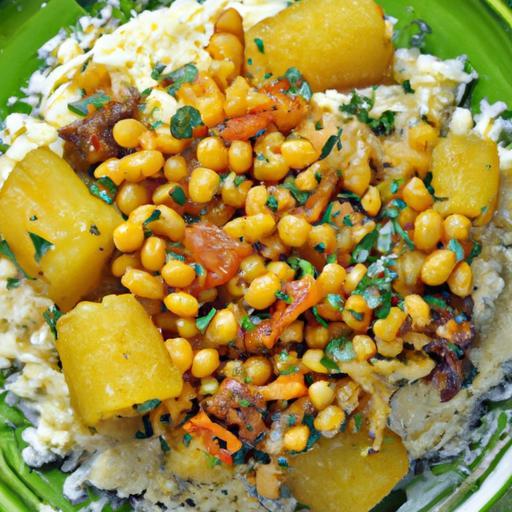
Nestled within the vibrant tapestry of West African cuisine lies a powerful and extraordinary dish that captures both tradition and innovation: cassava couscous. More than just a staple, cassava couscous offers a flavorful journey into the heart of Liberia’s culinary heritage. Every grain of cassava couscous tells a story of resourceful cooking, communal feasting, and the timeless allure of fermented flavors. Whether served at family gatherings or festive celebrations, cassava couscous remains a dish that elevates simple cassava into something truly remarkable. In this article, we dive deep into the origins, preparation, and cultural impact of cassava couscous, unveiling why it continues to enchant palates worldwide.
Cassava couscous is more than just a side dish; it is a culinary icon that embodies the soul of West Africa. Crafted from fermented cassava, cassava couscous transforms humble roots into a fluffy, couscous-like treasure that delights every table it graces. The unique tang of cassava couscous pairs beautifully with grilled fish, rich stews, or spicy sauces, making cassava couscous versatile and unforgettable. For generations, families have passed down the tradition of preparing cassava couscous, proving that it is not only food but a connection to heritage, memory, and celebration.
From bustling markets to modern kitchens, cassava couscous continues to shine as a national treasure. The preparation of cassava couscous involves fermenting and carefully grating cassava, giving it its signature texture and bold character. As you savor each spoonful of cassava couscous, you taste the legacy of Liberia’s past and the promise of its future. Shared at tables across the world, cassava couscous embodies nourishment, unity, and joy. Whether you are a curious traveler or a passionate foodie, experiencing cassava couscous means embarking on a flavorful adventure that blends tradition with modern delight. It is no wonder that cassava couscous holds a powerful place in both local hearts and global cuisines.
Prep and Cook Time
- Preparation: 30 minutes (including soaking and rinsing the cassava couscous)
- Cooking: 15 minutes (steaming and reheating)
- Total Time: 45 minutes
Yield
Serves 4 generous portions
Difficulty Level
Medium – mastering authentic texture requires attention, but the process is straightforward with guidance.
Ingredients
- 2 cups Liberian attieke (cassava couscous), soaked and rinsed thoroughly
- 1 tablespoon palm oil or vegetable oil
- 1 small onion, finely chopped
- 2 cloves garlic, minced
- 1 fresh scotch bonnet pepper, deseeded and chopped (optional)
- 1 teaspoon grated ginger
- Salt to taste
- Freshly ground black pepper
- 2 cups water or fish/chicken stock for steaming
- 1 tablespoon fresh lime juice
- Assorted fresh herbs (parsley, cilantro), finely chopped, for garnish
Instructions
- Prepare the Cassava Couscous: Place the dried cassava couscous in a large sieve or colander and rinse several times under cold water to remove excess starch and dirt. Allow it to drain well.
- Steam the Couscous: In a steaming pot or double boiler, bring water or stock to a gentle boil. Transfer the rinsed cassava couscous into a heatproof bowl or sieve and place it over the boiling water. Cover and steam for about 10-12 minutes, stirring occasionally with a fork to loosen the grains.The couscous should become fluffy and aromatic.
- Sauté Aromatics: While the couscous steams, heat palm oil in a skillet over medium heat.Add chopped onions, garlic, ginger, and scotch bonnet pepper. Sauté until golden and fragrant, about 5 minutes. Season with salt and pepper.
- Incorporate Aromatics: Transfer the steamed cassava couscous into a large bowl. Gently fold in the sautéed aromatics and lime juice, ensuring even distribution without mashing the grains.
- Final Steam and Fluff: Return the seasoned cassava couscous to the steaming setup for an additional 3-5 minutes to meld the flavors. Remove and fluff again with a fork just before serving.
- Garnish and serve: Sprinkle generously with fresh herbs or microgreens for a vibrant color contrast and an extra layer of freshness.
Tips for Success
- Soaking and rinsing cassava couscous multiple times prevents bitterness and helps achieve the signature light texture.
- Use fresh palm oil if possible-it imparts an authentic flavor and subtle earthiness distinctive to Liberian cuisine.
- Control heat during sautéing to avoid burning garlic or onions, which can introduce bitterness.
- Try replacing scotch bonnet with milder peppers if you prefer less heat; smoked paprika adds a smoky twist without overpowering.
- Make ahead: Attieke can be steamed and kept covered, than reheated in a steamer, making it suitable for busy day meals or gatherings.
Serving Suggestions
Liberian Attieke shines when paired with spicy grilled fish or fried chicken,alongside a refreshing tomato and cucumber salad dressed with lime and chili flakes. For vegetarian options, a spicy peanut stew or sautéed greens with garlic balances the slight tanginess of the couscous beautifully. Garnish with lime wedges and a sprinkle of toasted cashews to add texture and visual appeal.

| Nutrient | Per Serving |
|---|---|
| Calories | 220 kcal |
| Protein | 2.5 g |
| Carbohydrates | 52 g |
| Fat | 4 g |
For further exploration into West African staples,check out our in-depth guide on Nigerian Egusi Soup. To deepen your understanding of cassava’s role globally, refer to FAO’s Cassava Knowledge resources.
Q&A
Q&A: Liberian Attieke – Exploring Cassava Couscous Delights
Q1: What exactly is Liberian Attieke?
A1: Liberian Attieke is a beloved conventional dish made from fermented cassava,transformed into delicate,fluffy granules that resemble couscous. It embodies the rich culinary heritage of Liberia, offering a tangy, slightly sour flavor that pairs beautifully with a variety of stews and grilled meats.
Q2: How does Liberian Attieke differ from the more widely known Ivorian Attieke?
A2: While both dishes share cassava as their base, Liberian Attieke frequently enough involves a slightly different fermentation process and texture, resulting in a distinct taste and mouthfeel. The Liberian version tends to be a bit coarser and less sweet, reflecting local preferences and traditional preparation methods unique to Liberia’s diverse regions.
Q3: Why is cassava such an vital ingredient in liberian cuisine?
A3: Cassava is a staple crop in Liberia, prized for its resilience and versatility. It provides a vital source of carbohydrates, especially in rural areas. Its ability to be fermented and processed into dishes like Attieke highlights the culinary ingenuity of Liberian communities, turning a humble root into a celebratory, nourishing meal.
Q4: How is Liberian Attieke made, from start to finish?
A4: The process begins with peeling and grating fresh cassava, which is then wrapped and fermented for several days. This fermentation is key to developing Attieke’s signature tangy flavor. After fermentation, the cassava is sieved and steamed until it achieves a light, granular consistency. The final product is fluffier and cooler than many traditional starches, making it a refreshing complement to hearty dishes.
Q5: What dishes commonly accompany Liberian Attieke?
A5: Liberian Attieke shines alongside spicy stews, such as palm nut or groundnut soup, and grilled fish or chicken.It also pairs well with fresh vegetables and hot pepper sauces, creating a balanced meal that tantalizes all the senses. Its neutral yet tangy profile makes it an exceptionally versatile side or base for a Liberian feast.
Q6: Are there any cultural traditions tied to eating Liberian Attieke?
A6: Absolutely! Sharing Attieke is often a communal affair, bringing families and friends together around the table. Its preparation can be a ritual, passed down through generations, symbolizing resilience, identity, and connection to the land. Festivals and special occasions frequently feature attieke, underscoring its role as a dish that nourishes both body and community spirit.
Q7: Can I try making Liberian Attieke at home, and what should I keep in mind?
A7: With patience and the right ingredients, yes! The key lies in proper fermentation and handling cassava safely-since raw cassava contains natural toxins that must be carefully processed out. Starting with pre-processed fermented cassava flour from specialty markets can simplify the process. Embrace the slow craft, and you’ll experience the authentic flavors of Liberia’s beloved cassava couscous.
Q8: why should food lovers worldwide discover Liberian Attieke?
A8: Liberian Attieke is a culinary gem that tells a story of tradition, survival, and celebration. Its unique taste and texture offer a fresh outlook on West African cuisine beyond the familiar. For adventurous eaters, it’s a chance to connect with Liberia’s cultural heartbeat through a dish that’s as comforting as it is intriguing-a true delight for the senses.
In Summary
As we wrap up our flavorful journey through the world of Liberian attieke, it’s clear that this humble cassava couscous is much more than just a side dish-it’s a vibrant tapestry of culture, history, and tradition on a plate. Whether enjoyed with spicy stews, fresh seafood, or simply embraced for its unique texture and subtle tang, attieke invites us to savor the rich culinary heritage of Liberia. So next time you’re eager to explore new tastes, let Liberian attieke guide your palate-with every bite, a story unfolds, carrying the spirit of a people and the bounty of their land.