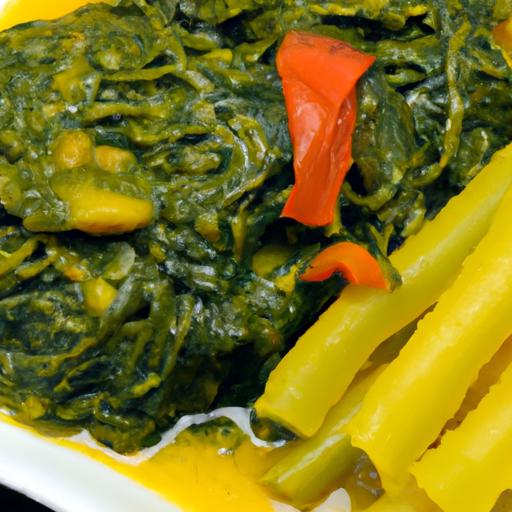

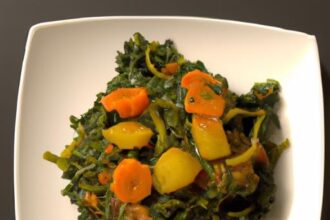
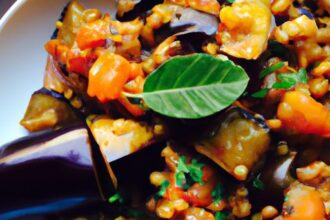
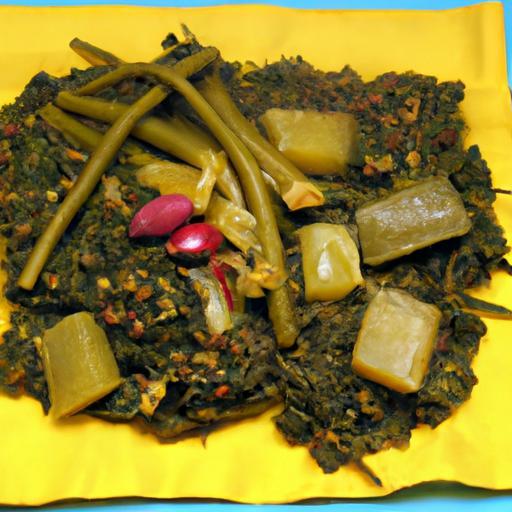
Nestled within the vibrant tapestry of West African cuisine, Sierra Leone’s culinary heritage bursts forth with bold flavors and time-honored traditions. among its many treasures, cassava leaf stew stands out as a hearty, fragrant emblem of the nation’s soul-a dish that tells a story of resilience, community, and the earth’s generous bounty. This verdant stew, simmered with tender cassava leaves, spices, and savory meats, invites both locals and newcomers alike to experience the rich, layered tastes that have nourished generations. Join us as we delve into the origins, preparation, and cultural importance of Sierra Leone’s beloved cassava leaf stew-an authentic feast for both the palate and the spirit.
Savoring Sierra Leone: The rich flavor of cassava leaf stew captures the heart of West African culinary heritage with its deep,earthy,and vibrant taste. This beloved dish is not just a meal but a party of community, tradition, and the bounty of Sierra Leone’s fertile lands. Originating among the Mende and Temne peoples, cassava leaf stew-locally known as sautee-has long been a staple that unites families and friends around the table, showcasing the ingenuity of turning humble cassava leaves into a luxuriant, flavorful feast.
Prep and Cook Time
- Preparation: 20 minutes
- Cook Time: 1 hour
Yield
Serves 6 hearty portions
Difficulty Level
Medium – requires patience and layering of flavors
Key Ingredients for an Authentic Cassava Leaf Stew
- 4 cups finely ground cassava leaves (fresh or frozen, thoroughly washed)
- 1 cup palm oil (for traditional depth and color)
- 1 large onion, finely chopped
- 3 cloves garlic, minced
- 2 medium tomatoes, diced
- 2 cups meat stock or water (beef or chicken stock preferred)
- 1 lb smoked or fresh beef, goat, or fish, cut into bite-sized pieces
- 1 teaspoon ground crayfish (adds umami and authentic flavor)
- 2 Scotch bonnet peppers, deseeded for mild heat or whole for more spice
- Salt and freshly ground black pepper, to taste
- 2 bouillon cubes (optional, but traditional for rich seasoning)
Step-by-step Preparation
- Prepare the cassava leaves: If using fresh leaves, remove thick stems and finely pound or blend them until smooth. Rinse well to remove bitterness. If using frozen, thaw and rinse thoroughly.
- Heat the palm oil: In a large heavy-bottomed pot, gently warm the palm oil over medium heat. The oil should turn slightly red and fragrant but do not burn it.
- Sauté aromatics: Add the chopped onion and minced garlic to the oil. Sauté until translucent, about 5 minutes, stirring frequently to develop flavor without browning.
- Add the diced tomatoes: Cook the tomatoes down until they form a thick, fragrant base, 7-10 minutes, stirring occasionally. this builds the stew’s sweet undertone.
- Cook the meat: add yoru choice of meat or fish. Brown it in the tomato mixture for 10 minutes, sealing in flavors. For smoked meats,rinse off excess salt if necessary to balance taste.
- Add cassava leaves and stock: Slowly stir in the cassava leaf paste followed by your meat stock or water. Mix thoroughly to combine all ingredients evenly.
- Season the stew: Incorporate crayfish, Scotch bonnet peppers (whole for mild heat or sliced for more intensity), bouillon cubes, salt, and pepper. Stir well to blend the spices.
- Simmer: Cover and cook over low heat for at least 45 minutes, stirring occasionally. The stew should thicken, and the cassava leaves should be tender with a silky texture.
- Adjust seasoning: Taste midway and at the end, tweaking salt, spice, or sweetness by adding a touch of sugar if the stew tastes too bitter.
- Final touch: Remove the Scotch bonnet peppers before serving if you prefer milder heat, or leave them in for a bold statement.
Tips for Success: Chef’s Notes
- Authenticity Tip: Use fresh cassava leaves if possible for the best texture and flavor; frozen leaves work well but need thorough rinsing to remove bitterness.
- oil Alternatives: If palm oil is unavailable, substitute with a mix of vegetable oil and annatto seeds for color, but note the flavor will be less earthy.
- Protein Variations: Incorporate a combination of smoked fish, dried shrimp, or goat meat for complexity and depth.
- Make-Ahead: Cassava leaf stew tastes even better the next day as flavors meld; refrigerate and reheat gently before serving.
- Texture Check: If the stew is too thick, add warm water or stock gradually; if too watery, increase cooking time uncovered to reduce.
Pairing Cassava Leaf Stew with Traditional Sides for a Complete Meal
To fully experience the comfort of this rich stew, serve it alongside white rice, fufu (a dough-like staple made from cassava or plantains), or boiled yam. These starchy sides soak up the luscious sauce beautifully,balancing the intense earthiness of the leaves and smoky meats. Garnish with fresh chili slices or a squeeze of lime for brightness and presentation.
where to experience the best Cassava Leaf Stew in Sierra Leone and Beyond
For travelers and food lovers eager to taste this iconic dish authentically, the bustling markets and roadside eateries in Freetown offer some of the richest, most traditional stews you can find. Restaurants like Mama Ben’s Local Kitchen are renowned for their cassava leaf stew, prepared with generations-old family recipes.Many Sierra Leonean communities abroad in london, New York, and Atlanta also serve stellar versions, capturing the heat and soul of home.Exploring these eateries is a delicious gateway into Sierra Leonean culture and the culinary heritage behind this hearty stew.

| Nutritional Info (per serving) | Amount |
|---|---|
| Calories | 350 kcal |
| Protein | 28 g |
| Carbohydrates | 12 g |
| Fat | 22 g |
For more inspiration on West African cuisine, check out our article on Ideal West African staples for Your Pantry.
Q&A
Q&A: Savoring Sierra Leone – The Rich Flavor of Cassava Leaf Stew
Q1: What is Cassava Leaf Stew, and why is it significant in Sierra Leonean cuisine?
A1: Cassava Leaf Stew, known locally as “Popo,” is a hearty and aromatic dish made from the tender leaves of the cassava plant. It’s a staple in Sierra Leone, embodying the essence of home-cooked comfort and cultural heritage. The stew is cherished not just for its unique, earthy flavors but also for its representation of Sierra Leone’s agrarian roots and communal dining traditions.
Q2: What does Cassava Leaf Stew taste like?
A2: Imagine a symphony of deep,green earthiness mingling with the savory richness of palm oil and the gentle heat of spices.The cassava leaves, cooked down to tender softness, offer a slightly nutty, spinach-like flavor that harmonizes beautifully with ingredients like smoked fish, ground peanuts, and scotch bonnet peppers. The result is a complex, creamy stew that’s both comforting and invigorating.
Q3: how is Cassava Leaf Stew traditionally prepared?
A3: The journey begins in the kitchen with fresh cassava leaves-carefully pounded or finely chopped to release their essence. These greens are simmered slowly with a medley of flavors: palm oil, onions, garlic, ground peanuts, and sometimes dried fish or meat for depth. the slow cooking process nurtures the flavors, allowing them to meld into a luscious, thick stew, perfect over a bed of fluffy rice or fufu.
Q4: What makes Cassava Leaf stew unique compared to other leafy green stews in West Africa?
A4: While many West African stews use similar green leaves, Sierra Leone’s Cassava Leaf Stew stands out due to its distinctive use of cassava leaves combined with a generous dose of palm oil and peanut butter. This fusion lends it a creamy, nutty texture and an earthy, robust flavor that evokes the country’s rich biodiversity and culinary inventiveness.
Q5: Are there any cultural or social customs associated with eating Cassava leaf Stew?
A5: Absolutely. Cassava Leaf Stew is more than nourishment-it’s a centerpiece for family gatherings and celebrations. Sharing this dish reflects hospitality and unity,often enjoyed communally around a large bowl. its preparation is a rite of passage for many Sierra Leonean cooks, connecting generations through recipes handed down over time.
Q6: Can Cassava Leaf Stew be adapted for modern or international palates?
A6: Definitely. While traditional recipes are deeply cherished,adventurous cooks can experiment by incorporating local ingredients or adjusting spice levels. Vegetarian versions highlight the vibrant greens and nuts, while pairing the stew with quinoa or couscous offers a contemporary twist. Yet, no matter the adaptation, the spirit of Sierra Leone’s Cassava Leaf Stew-its warmth, resilience, and bold flavor-always shines through.
Q7: Where can someone outside Sierra Leone experience authentic Cassava Leaf Stew?
A7: Many West African restaurants worldwide feature cassava Leaf Stew on their menu, celebrating Sierra Leonean flavors. For the truly immersive experience,food festivals,cultural events,or cooking workshops hosted by Sierra Leonean communities offer a taste of tradition. Of course, making the stew at home, using authentic ingredients, is the ultimate way to savor this lush, green treasure from the heart of Sierra Leone.
Final Thoughts
As the earthy aroma of cassava leaf stew lingers in the air, it invites more than just a taste-it beckons a deeper appreciation for Sierra Leone’s vibrant culinary heritage. Each spoonful is a celebration of tradition, resilience, and the harmonious blend of fresh, local ingredients that tell a story far beyond the plate. Savoring this beloved stew is not merely about nourishment; it’s about connecting with a culture rich in history and flavor, where every bite carries the warmth of community and the spirit of a land that thrives through its food. So, next time you crave a dish that nourishes both body and soul, let the rich flavors of cassava leaf stew transport you to the heart of Sierra Leone’s kitchen-a place where history simmers alongside every savory spoonful.