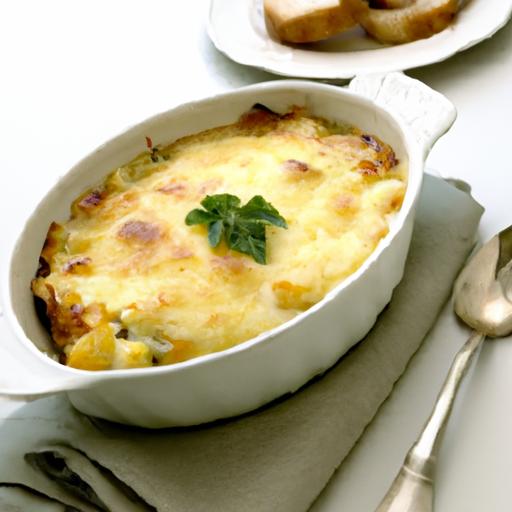

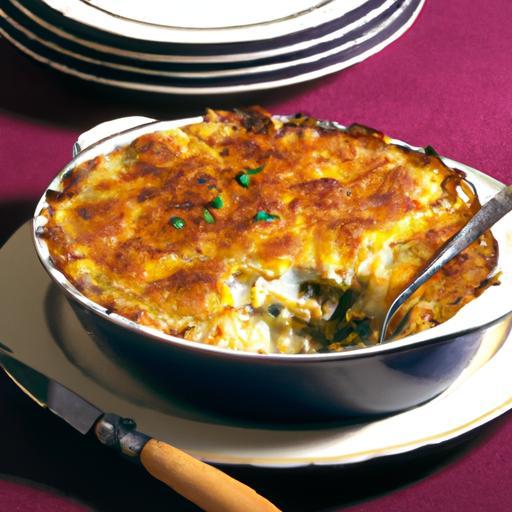
There’s something undeniably comforting about a bubbling casserole fresh from the oven-a warm embrace on a plate that speaks of home, tradition, and the simple joys of hearty, slow-cooked flavors. Across Europe’s diverse landscapes and cultures, casseroles have long held a cherished place in kitchens big and small, each region offering its own unique twist on this soul-satisfying dish.From the rustic coq au vin of France’s Burgundy to the rich, cheesy moussaka of the Mediterranean, these classic comforts tell stories of heritage and local ingredients, woven together with care and culinary pride. Join us as we journey through Europe’s heartlands to uncover the casseroles that have stood the test of time, inviting you to savor a taste of history, warmth, and regional character in every bite.
Hearty European casseroles bring together the soul of each region through robust flavors and time-honored ingredients, creating a comforting dish that warms both body and heart.From the rich creamy béchamel layers of French gratins to the smoky paprika and potatoes of Hungarian pörkölt bakes, these recipes celebrate tradition while inviting you to explore unique textures and tastes in every slice.
Prep and Cook Time
- planning: 25 minutes
- Cooking: 1 hour 15 minutes
- Total: 1 hour 40 minutes
Yield
Serves 6 generously
Difficulty Level
Medium – Perfect for home cooks ready to experiment with layering and regional ingredients
Ingredients
- 2 tbsp olive oil
- 1 large onion, finely chopped
- 3 cloves garlic, minced
- 500g minced beef or lamb (feel free to substitute with mushrooms for a vegetarian twist)
- 2 cups peeled and diced potatoes
- 1 cup sliced carrots
- 1 red bell pepper, diced
- 1 tbsp sweet paprika (for Hungarian-inspired warmth)
- 1 tsp dried thyme
- Salt and freshly ground pepper, to taste
- 1 cup beef or vegetable stock
- 1 cup shredded Gruyère or Emmental cheese
- 1 cup béchamel sauce (see Chef’s Notes for swift recipe)
- Fresh parsley, for garnish
Instructions
- Preheat your oven to 180°C (350°F).Lightly grease a 9×13 inch casserole dish with olive oil to prevent sticking.
- Heat olive oil in a large skillet over medium heat. Add onions and garlic, sautéing until translucent and fragrant, about 5 minutes.
- Add the minced meat to the skillet. Cook, breaking it up with a wooden spoon, until browned evenly and no longer pink, about 7-8 minutes.
- Stir in diced potatoes, carrots, and red bell pepper, tossing to combine with the meat. Sprinkle in paprika, thyme, salt, and pepper. Cook for 3 minutes to deepen the spices’ aroma.
- Pour in the stock, bring to a simmer, and let the mixture cook until the potatoes are just tender, about 10 minutes. Stir occasionally to prevent sticking.
- Transfer half of the meat and vegetable mixture evenly into the casserole dish. Spread half of the béchamel sauce evenly over the top.
- Sprinkle half of the shredded cheese over the béchamel layer, then repeat layering with remaining meat mixture, béchamel, and cheese for a beautifully stratified bake.
- Bake uncovered in the preheated oven for 35-40 minutes until bubbling and golden brown on top.
- Remove from oven and let rest for 10 minutes to help the layers set perfectly before serving.
Tips for Success
- For a velvety béchamel, melt 2 tbsp butter in a saucepan, whisk in 2 tbsp all-purpose flour, then gradually add 1 cup warmed milk, stirring constantly until thickened.
- If you prefer vegetarian hearty European casseroles, substitute meat with a blend of mushrooms and lentils, adding an umami boost with a splash of soy sauce.
- Layering is key: ensure each layer is spread evenly to guarantee balanced textures and flavors in every bite.
- Allow resting time post-bake; this enhances creaming and fuses the flavors, making slicing cleaner and portions neater.
- Make ahead and refrigerate overnight-just add 10-15 minutes extra in the oven when reheating to regain that fresh-out-of-the-oven appeal.
Serving Suggestions
Present slices of your casserole garnished with freshly chopped parsley for a pop of color and freshness. Pair this classic dish with buttery crusty bread or a simple mixed greens salad tossed with a light lemon vinaigrette. for drinks, opt for a robust red wine such as a Bordeaux or a rustic Zinfandel that stands up well to rich, layered flavors. Alternatively, traditional European pilsner or a crisp cider complements the hearty textures beautifully.

| Nutrient | Per Serving |
|---|---|
| Calories | 420 kcal |
| Protein | 28 g |
| Carbohydrates | 35 g |
| Fat | 18 g |
for a deeper dive into classic French béchamel techniques, check out our detailed guide on Mastering French Béchamel sauce. To learn more about paprika’s role in Hungarian cooking, the authoritative Encyclopedia Britannica entry on paprika offers fascinating insights.
Q&A
Q&A: Hearty European Casseroles – Classic Comforts from Every Region
Q1: What exactly defines a european casserole?
A1: At its heart, a European casserole is a one-pot wonder that embodies tradition, comfort, and regional flavors. It’s a slow-cooked dish,typically baked in an oven,combining proteins,vegetables,and starches in a harmonious symphony of taste and texture. From the creamy béchamel-infused gratins of France to the robust, wine-braised stews of Central Europe, casseroles unify diverse culinary customs under a cozy, soul-satisfying umbrella.
Q2: Why are casseroles so integral to European culinary culture?
A2: casseroles speak to the heart of European living: resourcefulness and community. Historically, they made use of seasonal, local ingredients-frequently enough leftovers-stretched into hearty meals that could feed a family or a gathering. Their slow-cooked nature allows tough cuts of meat and humble vegetables to transform into tender, flavorful comfort food, making them staples across all European regions from rustic cottages to urban kitchens.
Q3: can you give examples of iconic European casseroles by region?
A3: Absolutely! In france, think of the Cassoulet, a rich bean and meat stew from the south; Italy offers Lasagna alla Bolognese, layers of pasta, ragù, béchamel, and cheese. Hungary’s Rakott Krumpli layers potatoes with sausage and sour cream, while the UK’s Shepherd’s Pie tops savory minced lamb with creamy mashed potatoes. Scandinavia’s Janssons frestelse combines potatoes, cream, and anchovies for a uniquely Nordic take.
Q4: how do European casseroles reflect their local ingredients and traditions?
A4: Each casserole is a culinary footprint of its terroir. Mediterranean casseroles often use olive oil, tomatoes, and fresh herbs, reflecting warmer climates and abundant produce. Northern and Eastern European dishes lean on root vegetables,preserved meats,and dairy,preserving sustenance through long winters. These ingredients mirror the agricultural habits, climate, and history-turning casseroles into edible stories of place and people.
Q5: What makes a casserole a perfect comfort food?
A5: It’s the magic of slow melding flavors, hearty textures, and warmth served straight from the oven. Casseroles invite sharing and nostalgia, evoking family gatherings and cozy nights. Their layered complexity belies a simple straightforwardness-each forkful provides a balance of savory, creamy, and wholesome goodness. in a world of fast food,European casseroles offer a deliberate pause to savor tradition and the human connections food fosters.
Q6: Can casseroles be adapted for modern dietary preferences?
A6: Definitely! While classic casseroles often feature meat and dairy,the essence of the dish is versatility. Vegetables, legumes, and plant-based proteins can take center stage. Herbs, spices, and alternative grains ensure the dish remains vibrant and satisfying. The casserole’s forgiving nature means it can be reinvented seasonally or to accommodate gluten-free, vegetarian, or vegan lifestyles without losing its comforting soul.
Q7: How can someone start exploring European casseroles at home?
A7: Begin with familiar favorites-perhaps a creamy French gratin or a rustic Italian lasagna-then venture into lesser-known regional specialties, sourcing authentic spices and ingredients. Embrace the slow cooking method, use fresh or seasonal produce, and don’t shy away from improvising with what’s on hand. Cooking casseroles is as much about honoring tradition as it is about making it your own, so don your apron with curiosity and relish the appetizing journey!
This Q&A aims to illuminate the warmth and richness of hearty European casseroles, inspiring readers to dive into classic recipes and discover the comforting embrace of these time-honored dishes from every corner of the continent.
Insights and Conclusions
As we close the lid on this flavorful journey through Europe’s heartiest casseroles, it’s clear that each region serves more than just a meal – they offer a delicious window into history, culture, and the comforting embrace of home. Whether it’s the creamy gratins of France, the robust stews of Eastern Europe, or the rustic bakes from the Mediterranean shores, these casseroles remind us that comfort food transcends borders. so next time you crave something warm and satisfying, let these classic European casseroles inspire your kitchen adventures, bringing a taste of tradition and a sprinkle of soul to your table.