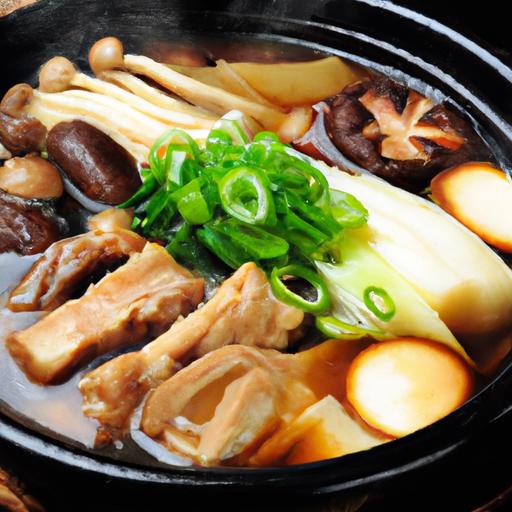
In the world of sumo wrestling, strength and stamina are as essential as discipline and technique.Behind every thunderous charge and victorious grapple lies a secret weapon simmering in steaming pots across Japan: Chanko Nabe. This hearty hot pot is more than just a meal-its a culinary tradition that has fueled champions for centuries. Brimming with protein-rich ingredients and vibrant flavors,Chanko Nabe provides the perfect blend of nourishment and comfort,embodying the spirit and resilience of sumo wrestlers. Join us as we dive into the rich history, cultural importance, and mouthwatering allure of this iconic dish that continues to power the giants of the dohyo.
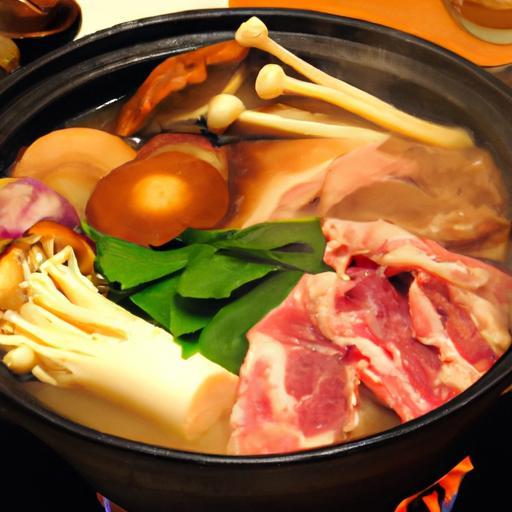
Chanko Nabe is more than just a warming stew-it’s a nutritional powerhouse that has fueled sumo wrestlers through grueling training and intense bouts. This hearty, protein-rich hot pot combines savory broth, wholesome ingredients, and vibrant textures, creating a meal that’s as flavorful as it is fortifying. Whether you’re a fan of Japanese cuisine or simply looking to build strength with a comforting dish, mastering this conventional broth will unlock the full experience of Chanko Nabe’s legendary status.
Prep and Cook Time
- Preparation: 20 minutes
- Cook: 40 minutes
- Total: 1 hour
Yield
- Serves 4 hearty portions
Difficulty Level
- Medium – great for adventurous home cooks ready to bring authentic Japanese flavors to their kitchen
Essential Ingredients That Build strength and Stamina
- 6 cups dashi broth (homemade or store-bought, for a deep umami base)
- 1/4 cup soy sauce (tamari for gluten-free option)
- 2 tbsp mirin (Japanese sweet rice wine)
- 1 tbsp sake (adds complexity and aroma)
- 1 tsp salt (adjust to taste)
- 1 lb boneless chicken thighs, cut into bite-sized pieces
- 1/2 lb firm tofu, cubed
- 1/2 lb Napa cabbage, chopped
- 1 cup shiitake mushrooms, sliced
- 1 large carrot, sliced diagonally
- 1 bunch green onions, sliced thinly
- 1 cup cooked udon noodles or shirataki noodles (optional, for added texture)
- 2 cloves garlic, minced
- 1-inch piece fresh ginger, sliced thinly
- 1 tbsp vegetable oil or sesame oil for sautéing
- Optional protein boosters: slices of pork belly, fish cakes, or steamed shrimp
Crafting the Perfect Chanko Nabe Broth for Maximum Flavor
- Warm the oil in a large heavy-bottomed pot over medium heat. add the minced garlic and sliced ginger, sautéing until fragrant but not browned-about 1-2 minutes. this blooming of aromatics builds the broth’s backbone.
- Pour in the dashi broth. If you’re using a pre-made or instant dashi, taste the intensity and adjust salt accordingly.
- Add soy sauce, mirin, sake, and salt, stirring gently to combine all umami elements.
- Bring the broth to a gentle simmer before carefully adding the chicken pieces. Let them cook through-about 10 minutes-skimming off any foam for a cleaner taste.
- Introduce the hearty vegetables-Napa cabbage, shiitake mushrooms, carrots. These soak up broth essence while releasing slight sweetness.
- Add tofu cubes and optional proteins like pork belly or fish cakes. Simmer for another 10 minutes until all flavors meld beautifully.
- In the final 5 minutes, toss in the green onions and cooked noodles, warming them through without overcooking.
- Adjust seasoning if needed, then serve piping hot.
Tips for Personalizing Your Chanko Nabe Experience at Home
- Customize your proteins: Mix chicken with seafood or lean beef for variety and additional nutrients.
- Boost fiber and colour by adding kale, bok choy, or daikon radish for seasonal twists.
- For a richer broth, stir in a spoonful of miso paste just before serving to deepen flavor.
- Vegetarian version: Substitute dashi with kombu (kelp) broth and add more mushrooms for depth.
- Pre-make the broth and store it refrigerated for up to 3 days-add fresh ingredients at mealtime for fast assembly.
- Experiment with spices by adding a splash of chili oil or a sprinkle of shichimi togarashi to awaken the palate.
Serving Suggestions
Serve your Chanko Nabe straight from the pot, allowing everyone to scoop their favorite combinations into small bowls. Garnish with fresh chopped scallions, a drizzle of toasted sesame oil, and a few sprigs of fragrant shiso or cilantro for a refreshing contrast. Pair with steamed white rice or cold sake for a complete, soul-satisfying meal.
| Nutrient | Per Serving |
|---|---|
| Calories | 420 kcal |
| Protein | 35 g |
| Carbohydrates | 25 g |
| Fat | 15 g |

to dive deeper into Japanese comfort foods,check out our comprehensive guide on Japanese Hot Pot Recipes. For details on the traditional health benefits of sumo-worthy cuisine, visit Japan Society’s resource on Chanko Nabe.
Q&A
Q&A: Chanko Nabe – The Hearty Sumo Hot Pot Fueling Champions
Q1: What exactly is Chanko Nabe?
A1: Chanko Nabe is a traditional Japanese hot pot stew famously eaten by sumo wrestlers. It’s a richly flavored, nutrient-packed dish brimming with meats, seafood, vegetables, and tofu-all simmered together in a savory broth. More than just a meal, it’s a powerhouse fuel designed to help sumo wrestlers build strength, size, and stamina.
Q2: Why is Chanko Nabe so closely associated with sumo wrestlers?
A2: Sumo wrestlers follow rigorous diets to maintain their immense size and energy, and Chanko Nabe fits the bill perfectly. Its high protein content from various meats and fish, combined with the vitamins and minerals from fresh vegetables, makes it an ideal, well-balanced source of nutrition. Plus, sumo training centers, or “heya,” prepare and share this communal pot, reinforcing team spirit and tradition.
Q3: what ingredients typically go into Chanko Nabe?
A3: The beauty of Chanko Nabe lies in its versatility. Common ingredients include chicken (the most traditional protein), pork, fish, tofu, mushrooms, daikon radish, cabbage, and sometimes noodles.The broth varies by region and stable but frequently enough features a base of dashi (a Japanese stock), soy sauce, sake, and mirin, creating a savory umami-rich foundation.
Q4: How is Chanko Nabe traditionally eaten and prepared?
A4: Prepared in a large pot simmering at the center of the table, Chanko Nabe is a communal dish. As it cooks, teammates ladle the hot stew into bowls, frequently enough adding freshly cooked rice or noodles. The sharing aspect is vital-it’s more than nourishment; it’s bonding.The stew’s components are replenished continuously, sustaining the wrestlers throughout their intense training sessions.
Q5: Can anyone enjoy Chanko Nabe, or is it only for sumo wrestlers?
A5: Absolutely anyone can enjoy chanko Nabe! While it’s famously linked to sumo culture, its hearty, comforting flavors have won over food lovers worldwide. Many restaurants in Japan and beyond serve their own versions, and home cooks can tailor it to suit dietary preferences-vegetarians, for example, often swap meat for tofu and mushrooms.
Q6: What makes Chanko nabe so unique compared to other hot pots?
A6: What sets Chanko Nabe apart is its role as both nutrition and tradition. It’s not just about flavor-it’s about building up champions, physically and mentally. The ritual of cooking and eating together, combined with the intentional blend of ingredients aimed at health and strength, elevates it beyond a simple stew to a symbol of sumo dedication.
Q7: Are there any health benefits to eating Chanko Nabe regularly?
A7: Yes! Thanks to its balanced mix of lean proteins, fresh vegetables, and minimal processed elements, Chanko Nabe provides essential nutrients that promote muscle growth, boost immunity, and aid recovery. Its warm broth also soothes and hydrates, making it a perfect post-workout meal or a wintertime comfort food.
Q8: How has Chanko Nabe influenced modern Japanese cuisine?
A8: Chanko Nabe’s popularity has inspired countless reinterpretations-chefs experiment with seafood-only varieties, vegan versions, and fusion styles. it’s also become a cultural ambassador, introducing international diners to sumo lifestyle and traditional Japanese communal dining, emphasizing nourishment, camaraderie, and respect for ingredients.
In essence, Chanko Nabe isn’t just a meal-it’s the lifeblood of sumo wrestlers and a flavorful symbol of strength, tradition, and unity. Whether you’re chasing athletic goals or craving comfort food, this hearty hot pot invites you to savor a taste of Japan’s grandest sport.
The Conclusion
As the steam rises from a bubbling pot of Chanko Nabe, it carries more than just the fragrant scents of simmered meats, vegetables, and rich broth-it carries the legacy of sumo champions, the essence of discipline, and a celebration of community. This hearty hot pot is not merely a meal; it is a ritual of strength, nourishment, and tradition that continues to fuel the giants of the dohyo. Whether you’re a curious foodie or a fan of japanese culture, embracing Chanko Nabe offers a delicious glimpse into the world where culinary art meets athletic prowess, proving once again that sometimes, the most powerful fuel comes in a humble, steaming bowl.