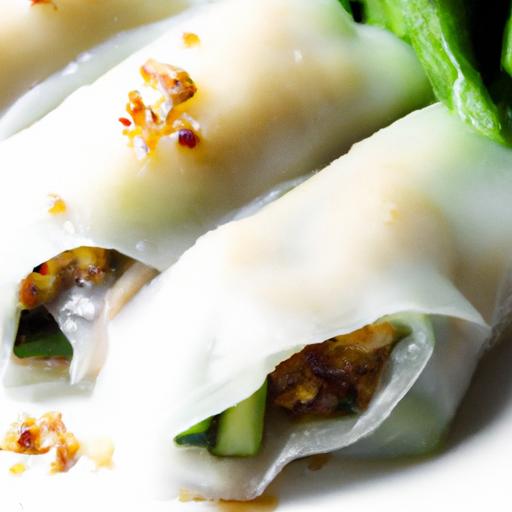
In the vibrant world of Cantonese cuisine, few dishes capture the perfect harmony of texture and flavor quite like Cheung Fun - those delicate, silky rice noodle rolls that glide effortlessly across your palate. Often enjoyed as a comforting dim sum favorite or a swift street-side snack, mastering Cheung Fun at home unlocks a culinary adventure that is both satisfying and surprisingly attainable. This article takes you beyond the restaurant experience, guiding you step-by-step through the art and science of creating the ultimate rice noodle rolls. Prepare to transform simple ingredients into an elegant,versatile dish that’s as impressive to serve as it is delightful to eat.
Mastering Cheung Fun begins with understanding how to create silky, smooth rice noodle sheets that melt delicately on the palate.Originating from Cantonese dim sum traditions, these translucent rolls are a showcase of subtle craftsmanship, were the right balance of ingredients and technique transforms simple rice flour into an elegant canvas for a variety of fillings.
Prep and Cook Time
- Planning: 20 minutes
- Cooking: 25 minutes
- Total: 45 minutes
Yield
- Serves 4-6 people (approximately 12 rolls)
Difficulty Level
- Medium (Mastering the folding technique may require some practice)
Ingredients
- 1 cup rice flour (preferably finely milled for silky texture)
- 3 tbsp tapioca starch (for elasticity and translucency)
- 2 1/4 cups water (room temperature)
- 1 tbsp vegetable oil (neutral oil like canola or sunflower)
- 1 tsp salt
- Oil for greasing the steaming tray
- Fillings of choice (see delicious filling combinations below)
Instructions
- Prepare the batter: In a large bowl, whisk together the rice flour, tapioca starch, and salt.Gradually add the water, stirring continuously to prevent lumps. Stir in the vegetable oil for smoothness and sheen.
- Set up the steamer: Bring water to a steady boil in a wok or large pot. Prepare a flat, lightly oiled steaming tray or shallow pan that fits inside your steamer.
- Steam the noodle sheets: pour a thin, even layer (~1/8 inch) of batter onto the oiled tray. Place it in the steamer, cover with the lid, and steam for 2 to 3 minutes until the sheet turns from translucent to opaque and is just set – gentle wobble is ideal.
- Remove and cool slightly: Carefully peel the sheet off using a silicone spatula or greased scraper. Work quickly but gently to avoid tearing.
- Fill and roll: Spoon your chosen filling along one edge of the sheet. Using a flat spatula, gently roll the sheet over the filling, tucking it in tight, and folding as desired to create neat rolls.
- Repeat: Continue steaming and rolling until all batter and filling are used.
- Serve immediately: Drizzle freshly made soy sauce or sweetened soy-based sauce over the rolls.Garnish with finely chopped scallions,toasted sesame seeds,or crispy fried shallots for texture contrast.
Choosing the right Ingredients for Authentic flavor and Texture
For Mastering Cheung Fun, ingredient quality truly shines through.The rice flour must be finely ground and fresh to achieve those iconic smooth,tender sheets. Tapioca starch is indispensable for the characteristic elasticity; avoid cornstarch which can lead to brittle noodles. The water-to-flour ratio is crucial to maintain the perfect viscous batter-too thick and the sheets will be dense, too thin and they’ll tear easily.
Step by Step guide to Rolling and Folding Like a Pro
Once your sheets are steamed and pliable, timing is everything.Work swiftly to fold while warm; cool sheets become rigid and crack.Place the filling close to the edge, then use the spatula to gently lift and roll the noodle sheet over itself three to four times to create compact, visually pleasing rolls. If the sheet sticks, lightly oil your spatula beforehand.
Delicious Filling Combinations to Elevate Your Cheung Fun Experience
- classic Shrimp and Chive: Fresh shrimp, finely chopped garlic chives, a touch of white pepper
- Barbecue Pork (Char Siu): diced char siu tossed with hoisin and chili sauce
- Mushroom Medley: Sautéed shiitake, enoki, with crunchy water chestnuts for texture
- Vegetarian Harmony: Julienned carrots, bamboo shoots, and tofu seasoned with soy and sesame
- Crispy Pork belly: thinly sliced pork belly flash-fried for a crisp contrast within soft noodles
Tips for Success
- Keep the batter smooth: Whisk vigorously to avoid lumps; strain if necessary.
- Use a non-stick tray: Ensure thorough greasing between batches to prevent sticking.
- Adjust steaming times: Depending on thickness; start with 2 minutes and increase slightly if needed.
- Practice rolling: If your first attempts tear, fold over smaller amounts of filling till you build confidence.
- Make-ahead suggestion: Make the noodle sheets ahead and refrigerate layered with parchment. Reheat steamed until tender before rolling.
Serving Suggestions
Serve cheung fun warm with a generous drizzle of soy sauce infused with a touch of sesame oil and sugar. Complement with dipping sauces such as chili oil or hoisin for extra dimension.garnish with fresh cilantro, sliced green onions, or fried garlic for pops of flavor and visual appeal. Pair these delicate rolls with a pot of fragrant jasmine tea or Cantonese-style brewed tea for a customary experience.

| Nutrient | Per Serving |
|---|---|
| Calories | 180 kcal |
| Protein | 6 g |
| Carbohydrates | 36 g |
| Fat | 2 g |
for a deeper dive into the traditional techniques behind Cantonese dim sum, explore this comprehensive guide. Expand your culinary repertoire with expert insights from Serious eats,a trusted authority on Asian cooking fundamentals.
Q&A
Q&A: Mastering Cheung Fun – The Ultimate Rice Noodle rolls Recipe
Q1: What exactly is Cheung Fun, and why is it so beloved?
A1: Cheung Fun is a silky-smooth, steamed rice noodle roll that hails from Cantonese cuisine.Its delicate texture and subtle flavor canvas make it a beloved dim sum classic. Whether wrapped around shrimp, char siu, or vegetables, it delivers a perfect harmony of softness and umami – like edible clouds drenched in savory soy sauce.
Q2: What makes mastering Cheung Fun challenging for home cooks?
A2: The secret lies in achieving that ultra-thin, yet sturdy rice noodle sheet without tearing or turning gummy. It requires a precise batter consistency, perfect steaming technique, and quick assembly. Plus, timing is key – the rolls must be rolled and served fresh for that melt-in-the-mouth experience.
Q3: What are the essential ingredients for the perfect Cheung Fun batter?
A3: The magic trio is rice flour, tapioca starch (for elasticity), and water. Some recipes call for a touch of wheat starch to improve chewiness and hold. No dairy or eggs-just pure simplicity that transforms into velvety sheets. A pinch of salt rounds out the flavor.
Q4: Can you share tips for steaming the rice noodle sheets flawlessly?
A4: Absolutely! Use a flat, non-stick tray or pan just big enough for a thin layer of batter. Preheat the steamer with vigorous boiling water and steam over high heat for about 2 minutes-enough to set but not overcook. Work quickly to spread the batter evenly in a thin layer and roll it as soon as its set but still pliable.
Q5: What fillings work best, and how do you integrate them?
A5: Classic fillings include shrimp, char siu (barbecue pork), beef, or fresh veggies like mushrooms and scallions. Scatter your filling evenly over the batter right after pouring, before steaming. The gentle steam cooks everything to tender perfection inside the translucent rolls.
Q6: How do you make the signature soy sauce drizzle?
A6: The ideal soy sauce dip is savory and slightly sweet, with a hint of sesame oil and sometimes a touch of sugar or oyster sauce. Gently warm the sauce to meld flavors, then pour it over the finished rolls just before serving. This brings the dish to life with depth and contrast.
Q7: Any creative twists to try once you’ve mastered traditional Cheung Fun?
A7: once confident, experiment with fusion fillings like spicy tuna, Korean bulgogi, or even vegan mushrooms and tofu combos. You can also try incorporating herbs or a drop of chili oil in the batter for a personalized flair. The beauty of Cheung Fun is how versatile these silky ribbons can be!
Q8: How should cheung Fun be served and enjoyed?
A8: Cheung Fun shines when served immediately, piping hot and drizzled with soy sauce. It’s perfect as a light snack, part of a dim sum feast, or a delicate appetizer.Use chopsticks to savor the tender rolls bite by bite, appreciating the balance of texture and flavor.
Q9: What tools are recommended for a home kitchen to make Cheung Fun?
A9: Apart from a reliable steamer, a shallow flat pan or baking tray with a smooth surface is crucial. A silicone spatula or thin blade helps with loosening the delicate sheets. Patience and practice are your best “tools” – but these kitchen items will set you on the path to mastery.
Q10: Can Cheung Fun be made ahead of time or frozen?
A10: because its charm lies in fresh softness, Cheung Fun is best eaten right away.Make-ahead or freezing tends to alter the silky texture and makes the rolls sticky or tough. If needed, you can refrigerate briefly but re-steaming gently before serving is essential to revive the texture.
Mastering Cheung Fun takes a little finesse, but with the right recipe and approach, you’ll soon create these delectable rice noodle rolls that melt on your tongue and impress every palate. Ready to roll?
In Summary
As you wrap up your journey into the delicate art of mastering Cheung Fun, remember that each silky roll carries with it centuries of culinary tradition and endless room for your own creativity. from the subtle dance of the rice batter to the savory fillings that nestle within, crafting the ultimate rice noodle rolls is as much about patience and practice as it is about passion. Whether you savor them drenched in fragrant soy sauce or paired with bold chili oil, these tender sheets of flavor invite you to explore textures and tastes unique to Cantonese cuisine. So roll up your sleeves, embrace the process, and let each bite transport you to bustling dim sum tables where mastery meets mouthwatering delight.your perfect Cheung Fun awaits-one luscious, supple fold at a time.