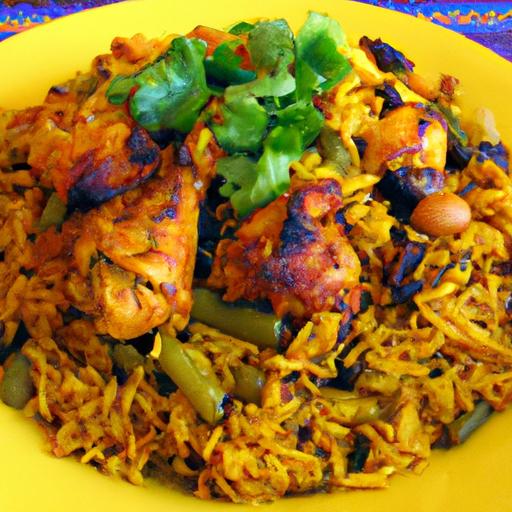


In the vibrant tapestry of global cuisine, few dishes tell a story as rich adn layered as tanzanian Chicken Biryani. More than just a meal, this aromatic blend of tender chicken, fragrant rice, and a symphony of spices is a flavorful journey that reflects Tanzania’s diverse cultural heritage and coastal influences.From bustling markets filled with the scent of cardamom and cinnamon to family kitchens were tradition is lovingly stirred into every pot, Tanzanian Chicken Biryani invites food lovers to explore a unique fusion of tastes that transcends borders, capturing the essence of a nation through its most cherished dish. join us as we unravel the origins,ingredients,and culinary artistry that make Tanzanian Chicken Biryani a true celebration of spice and soul.
Tanzanian Chicken Biryani: A Flavorful Journey of Spices
Tanzanian Chicken Biryani is a vibrant testament to East Africa’s rich culinary tapestry, where fragrant spices dance with tender chicken and fragrant rice to tell a story of culture, trade, and tradition. This iconic dish carries the essence of Swahili coast influences, enriched by centuries of Indian, Arab, and African interactions, resulting in a biryani that’s uniquely Tanzanian in flavor and soul.
Origins and Cultural Influence of Tanzanian Chicken Biryani
Rooted deeply in the bustling port towns along the Swahili coast, Tanzanian Chicken Biryani blends Arab and Indian biryani traditions with local ingredients and cooking methods. The dish embodies the past spice trade routes that brought cloves, cinnamon, and cardamom to East Africa, influencing regional cooking styles. In homes and special occasions alike, Tanzanian Chicken Biryani is celebrated for its aromatic complexity and communal spirit, often prepared for weddings, religious festivals, and family gatherings.
Essential Spices and Ingredients that Define the Flavor Profile
What truly defines this biryani is its bold and balanced spice palette. The marriage of cinnamon sticks, green cardamom pods, cloves, star anise, and black peppercorns creates a warm backdrop. Complementing these are fresh aromatics like ginger, garlic, and onions, which build the base.Jasmine or basmati rice absorbs the rich flavors, while the tender chicken offers a fluffy, succulent bite. Saffron or turmeric imparts a golden hue, enhancing both appearance and taste.
- 2 cups basmati rice, rinsed and soaked for 30 minutes
- 1 kg chicken pieces, skinless, bone-in preferred
- 2 large onions, finely sliced
- 4 cloves garlic, minced
- 2-inch fresh ginger, grated
- 1 cup plain yogurt, whisked
- 1 tsp turmeric powder
- 1 tsp red chili powder (adjust to taste)
- 1 tsp garam masala
- 1 cinnamon stick
- 4 green cardamom pods
- 4 cloves
- 1 star anise
- 1 bay leaf
- 1/4 tsp saffron strands, soaked in 2 tbsp warm milk
- 1/4 cup chopped fresh coriander
- 1/4 cup chopped fresh mint leaves
- 2 tbsp ghee or vegetable oil
- Salt to taste
- 3 cups water or chicken broth
Prep and Cook Time
- Preparation: 45 minutes
- Cooking: 1 hour 15 minutes
- Total: 2 hours
Yield
Serves 6 hearty portions, perfect for sharing and celebration.
Difficulty Level
Medium – requires attention to timing and layering flavors but is well within reach for home cooks eager to explore bold spices.
Step-by-Step Guide to preparing Authentic Tanzanian Chicken Biryani
- Marinate the chicken: In a large bowl, combine chicken pieces with yogurt, turmeric, red chili powder, and salt. Mix well, cover, and refrigerate for at least 1 hour to tenderize and infuse flavors.
- Prepare the rice: Rinse the basmati rice under cold water until the water runs clear. Soak for 30 minutes, then drain.
- Cook the chicken base: Heat ghee or oil in a heavy-bottomed pot. Add cinnamon, cardamom, cloves, star anise, and bay leaf. Sauté for 1-2 minutes until fragrant.
- Add onions: Stir in sliced onions and sauté until deep golden brown, about 10-12 minutes.This caramelization is critical for sweet,rich flavor.
- Incorporate garlic and ginger: add minced garlic and grated ginger, cooking for 2 minutes until aromatic.
- Cook the marinated chicken: Add chicken pieces and all marinade to the pot. Cook on medium-high heat, stirring occasionally, until the chicken is browned and starts to release oil (about 15 minutes).
- Add water or broth: Pour in 3 cups of water or chicken broth, adjust salt, and bring to a boil. Reduce heat,cover,and simmer until chicken is tender (around 25 minutes).
- Parboil the rice: In a separate pot, bring water to boil. Add drained rice and cook until 70% done (grains should still have a bite), about 6-7 minutes. Drain and set aside.
- layering the biryani: Over the chicken base, evenly spread the parboiled rice.drizzle the saffron-infused milk over the rice for vibrant color and aroma.
- Add fresh herbs: sprinkle chopped coriander and mint leaves across the top.
- Dum cooking (steaming): Cover the pot tightly with a lid or foil to trap steam. Cook on the lowest heat setting for 25-30 minutes, allowing flavors to marry and rice to fully cook.
- Rest and serve: let the biryani rest for 10 minutes before fluffing gently with a fork to mix layers slightly without breaking rice grains.

Tips for Perfecting Texture and Serving Suggestions for an Unforgettable Meal
For vibrant rice grains, always rinse and soak yoru basmati rice beforehand. This prevents stickiness and ensures fluffiness by removing surface starch.
Caramelize onions slowly until golden; rushing this step sacrifices depth and adds bitterness.
When layering, don’t stir vigorously after cooking dum; gentle fluffing preserves the biryani’s gorgeous texture.
Serve with cooling sides like a cucumber raita or tangy kachumbari salad to balance the rich spices.
Garnish generously with crunchy fried onions, fresh coriander, and a wedge of lemon to elevate every bite.
Chef’s Notes
- Substitute chicken broth with vegetable broth to keep the dish halal or for added depth.
- Add toasted nuts (cashews or almonds) and golden raisins for extra texture and sweetness.
- Use a heavy-bottomed pot or traditional handi to prevent burning during dum cooking.
- For a richer aroma, add a small piece of mace or star anise with the whole spices.
- Make the dish a day ahead; biryani tastes even better after the flavors have melded overnight.
Nutritional Data (per serving)
| Calories | Protein | Carbs | Fat |
|---|---|---|---|
| 420 kcal | 35 g | 45 g | 12 g |
Serving Suggestions
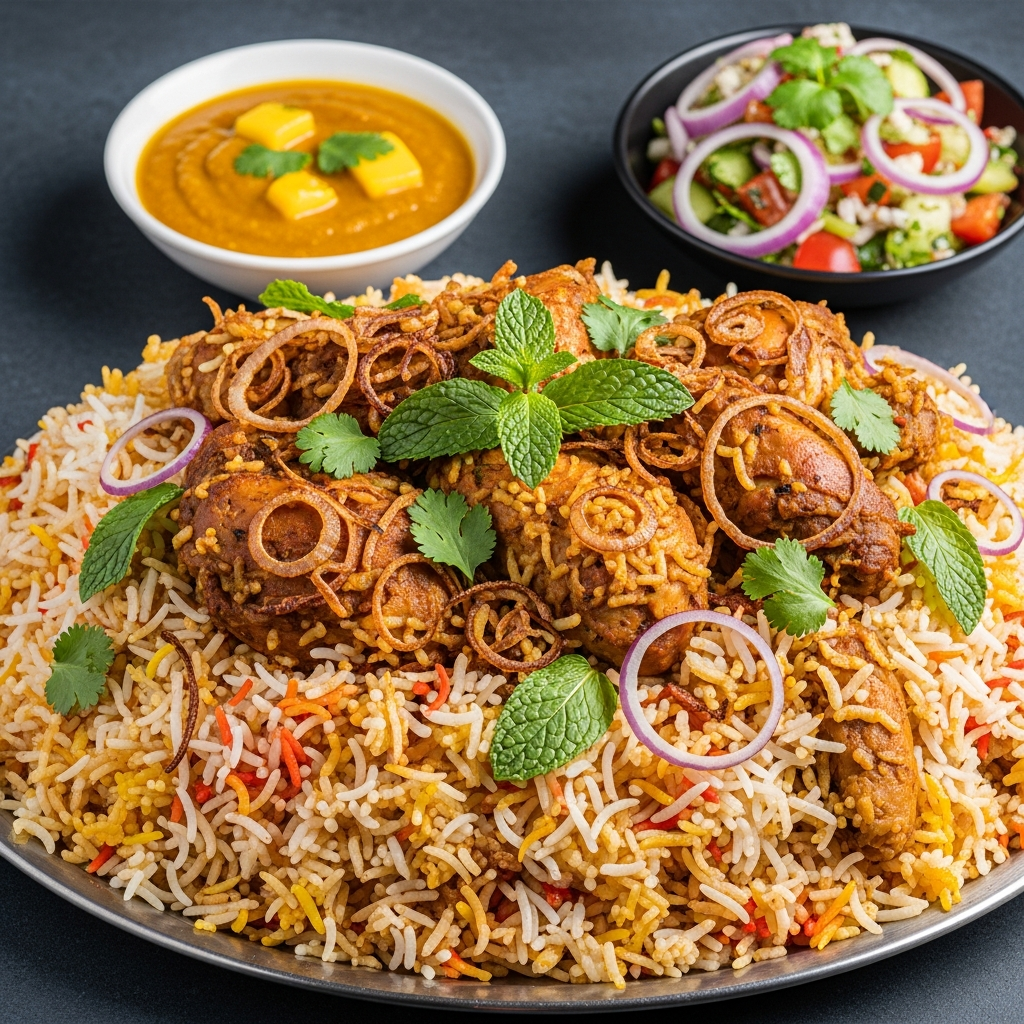
Plate the Tanzanian Chicken Biryani on a large, wide dish to showcase its colorful layers. Top with crisp fried onions and scatter fresh mint and coriander leaves for a lively green contrast. Accompany with a bowl of chilled cucumber raita or mango chutney to ease the palate. A squeeze of fresh lemon or lime juice adds a zesty final touch. For an authentic experience, serve alongside a traditional Swahili salad or simple steamed vegetables.
Explore more Swahili cuisine recipes and deepen your understanding of East African flavors. For an authoritative look into the history of spices that shape this dish, visit Encyclopedia Britannica’s spice trade overview.

Q&A
Q&A: Tanzanian Chicken Biryani – A flavorful Journey of Spices
Q1: What makes tanzanian Chicken Biryani different from other biryanis?
A1: Tanzanian chicken Biryani is a vibrant fusion of aromatic East African and South Asian flavors. Unlike traditional Indian biryanis, it incorporates local Tanzanian spices like cardamom, cloves, and cinnamon, along with fresh curry leaves and coconut milk. This unique blend creates a harmonious symphony of tastes that reflect Tanzania’s rich cultural tapestry.
Q2: How did biryani become popular in Tanzania?
A2: Biryani traveled to Tanzania through centuries of trade along the Indian Ocean, introduced by Arab and Indian merchants. Over time, the dish evolved as it embraced local ingredients and culinary traditions, becoming a beloved staple in Tanzanian homes and celebrations.
Q3: What are the key spices that define Tanzanian Chicken Biryani?
A3: The soul of Tanzanian Chicken biryani lies in its spice mix: cardamom pods, cloves, cinnamon sticks, coriander seeds, and black peppercorns. These spices are typically roasted and ground to release their full aroma. Additionally,the use of fresh ginger,garlic,and sometimes a hint of turmeric adds depth and warmth.
Q4: Is coconut milk always used in Tanzanian Chicken Biryani?
A4: While not obligatory, coconut milk is a popular ingredient that enriches the biryani with creamy sweetness, balancing the robust spices.It’s especially favored in coastal regions where coconuts are plentiful, imparting a tropical twist that differentiates this biryani from its counterparts.
Q5: What special techniques are employed in cooking Tanzanian Chicken Biryani?
A5: Tanzanian Chicken Biryani is traditionally cooked using the “dum” method-slow steaming the marinated chicken and partially cooked rice together in a sealed pot. This process allows the flavors to meld intimately, producing tender, succulent chicken paired with fragrant fluffy rice.
Q6: Can Tanzanian Chicken Biryani be made vegetarian?
A6: Absolutely! The rich spice profile lends itself beautifully to vegetables like potatoes, carrots, peas, and cauliflower. Using coconut milk or yogurt enhances the dish’s creaminess, making for a satisfying vegetarian biryani that honors the original’s spirited taste.
Q7: What occasions are most associated with Tanzanian chicken Biryani?
A7: Biryani in Tanzania is often a centerpiece for festive celebrations such as Eid, weddings, and family gatherings. its fragrant richness symbolizes hospitality and joy,making it a dish that brings people together in both casual and ceremonial settings.
Q8: Where can someone experience authentic tanzanian Chicken biryani today?
A8: You can find authentic Tanzanian Chicken Biryani in the coastal cities of Dar es Salaam and Zanzibar, where local chefs continue age-old recipes. For those abroad, many Tanzanian or East African restaurants worldwide offer this flavorful journey of spices, inviting food lovers to savor a taste of Tanzania’s culinary heritage.
Embark on your own flavorful journey by exploring Tanzanian Chicken Biryani-a dish where every grain of rice whispers tales of history, culture, and spice-laden warmth.
Concluding Remarks
As the fragrant steam from Tanzanian chicken biryani rises, it tell a story far beyond a simple meal-it is indeed a vibrant tapestry woven from centuries of cultural exchange, aromatic spices, and heartfelt tradition. Each grain of rice,each tender morsel of chicken,carries with it the whispers of coastal trade routes and the warmth of Tanzanian kitchens where generations have perfected this culinary masterpiece.Exploring Tanzanian chicken biryani is more than tasting a dish; it is embarking on a flavorful journey that celebrates the rich heritage and spirited flavors of East Africa. Whether you’re a seasoned foodie or a curious newcomer, this exquisite blend of spices invites you to savor history and hospitality in every bite.