

Chilled Spanish gazpacho is the ultimate expression of Andalusian summer cuisine. In southern Spain, Chilled Spanish gazpacho offers a refreshing escape from intense heat while celebrating ripe garden vegetables. The vibrant flavors of Chilled Spanish gazpacho combine tomatoes, cucumber, garlic, and olive oil into a smooth, cooling delight. For centuries, Chilled Spanish gazpacho has symbolized simplicity, health, and tradition. Food lovers worldwide admire Chilled Spanish gazpacho for its balance of freshness and bold Mediterranean character.
More than a seasonal dish, Chilled Spanish gazpacho represents culinary heritage preserved through generations. Authentic Chilled Spanish gazpacho highlights sun-ripened produce and traditional preparation methods. The enduring popularity of Chilled Spanish gazpacho proves its timeless appeal. Whether served in rustic villages or modern kitchens, Chilled Spanish gazpacho continues to captivate global palates. Ultimately, Chilled Spanish gazpacho remains a refreshing icon of Spanish gastronomy, blending culture, flavor, and history in every spoonful.
Prep and Cook Time
Total Time: 20 minutes (plus chilling time)
Yield
Serves 6 elegantly sized portions
Difficulty Level
Easy – a straightforward recipe perfect for both beginners and seasoned cooks looking to capture that authentic taste.
Key ingredients That Define an Authentic Gazpacho Experience
- 6 large ripe tomatoes (preferably Roma or vine-ripened for sweetness)
- 1 cucumber, peeled and seeded
- 1 small green bell pepper, seeded
- 1 small red onion, peeled
- 2 cloves garlic, finely minced
- 3 tablespoons extra virgin olive oil, cold-pressed for depth
- 2 tablespoons sherry vinegar (or red wine vinegar as a substitute)
- 1 teaspoon sea salt, or to taste
- Freshly ground black pepper, to taste
- Cold water or tomato juice (optional, for desired consistency)
- Day-old crusty bread (optional), soaked for silky texture
- fresh herbs such as parsley or basil for garnish
Instructions
- Prepare the vegetables: Core and roughly chop the tomatoes, cucumber, bell pepper, and onion to ease blending.
- Pulse the garlic and onion: In a high-power blender or food processor, pulse garlic and onion until finely minced but not pureed-this helps integrate flavors evenly.
- Add the core vegetables: Add tomatoes, cucumber, and bell pepper to the blender. Combine in short bursts to preserve subtle texture without muddling the soup.
- Incorporate liquids and seasonings: Pour in the olive oil, sherry vinegar, salt, and pepper. Blend until smooth, tasting as you go to adjust acidity and seasoning.
- adjust consistency: If too thick, add cold water or tomato juice a tablespoon at a time, blending briefly after each addition.
- Optional bread addition: For a more velvety texture, soak the day-old bread in a little cold water, squeeze out excess, and blend into the soup at this point.
- Strain (optional): for a silky smooth gazpacho, pass the mixture through a fine mesh sieve; otherwise, enjoy as is for a rustic feel.
- Chill thoroughly: Refrigerate for at least 2 hours, allowing flavors to meld and the gazpacho to become perfectly chilled.
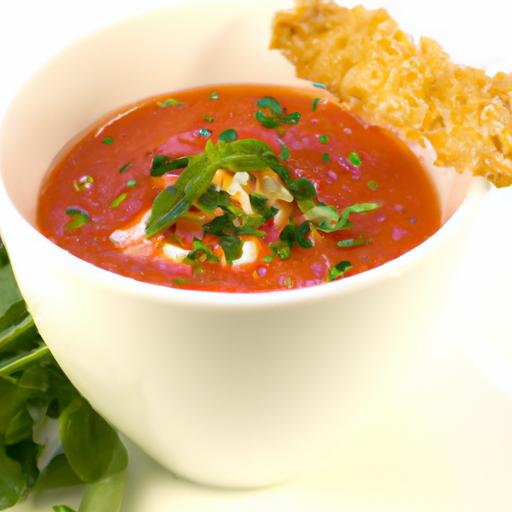
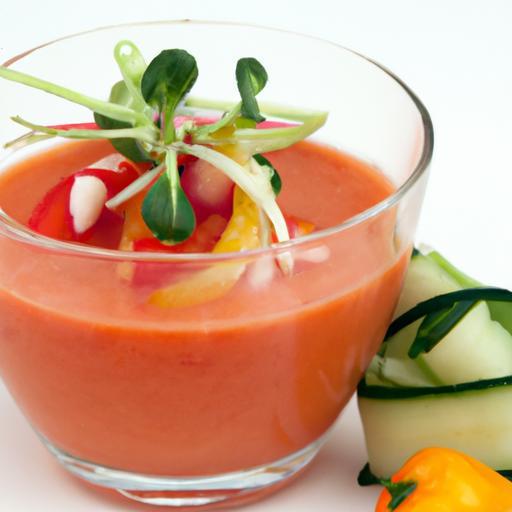
- Serve: Pour chilled gazpacho into bowls or glasses. Garnish with finely diced cucumber, bell pepper, fresh herbs, or a drizzle of quality olive oil.
Expert Tips for Preparing the Perfect Chilled gazpacho
- Choose peak-season produce for maximum flavor-there’s no substitute for truly ripe tomatoes straight from the garden or farmer’s market.
- Cold-pressed extra virgin olive oil is essential; it adds a rich,fruity note that elevates every bite.
- Rest and chill: letting gazpacho rest in the fridge overnight intensifies its flavors remarkably.
- Balance acidity carefully: Start with less vinegar and build up to taste to avoid overpowering the fresh vegetable sweetness.
- Savor texture options: Decide between silky smooth or slightly chunky – either way, it should be appealing and refreshing.
- Make ahead: Gazpacho improves with time, so prepare a day in advance and refrigerate; it keeps well for up to 2 days.
- Experiment with garnishes: Crispy croutons, diced serrano ham, or chopped hard-boiled eggs add delightful contrasts.
Serving suggestions and Pairings to Elevate Your Gazpacho Enjoyment
Presented in chilled bowls or elegant stemmed glasses, chilled Spanish gazpacho shines as a elegant starter or light main. Garnish with a sprinkle of finely chopped vegetables-cucumber, red pepper, and fresh herbs like basil or parsley-to add color and texture. A drizzle of the finest olive oil on top enhances its luscious mouthfeel. Pair gazpacho with crusty rustic bread, tapas such as manchego cheese or Spanish tortilla, and a chilled glass of dry sherry or a crisp Albariño white wine to truly bring the Andalusian experience home.
| Nutrient | Per Serving |
|---|---|
| Calories | 120 kcal |
| Protein | 3 g |
| Carbohydrates | 15 g |
| Fat | 7 g |

For those enchanted by the flavors of this dish, explore our Spanish tapas collection to complement your gazpacho feast. To deepen your understanding of andalusian culinary history, visit the official spain tourism gastronomy page.
Q&A
Q&A: Chilled Spanish Gazpacho – A Refreshing Taste of Tradition
Q1: What exactly is gazpacho?
A1: Gazpacho is a vibrant, cold soup that hails from the sun-soaked Andalusian region of southern Spain. It’s a refreshing blend of ripe tomatoes, crisp cucumbers, bell peppers, garlic, olive oil, vinegar, and stale bread, all pureed into a vibrant, flavorful elixir that cools you down on the hottest days.
Q2: why is gazpacho served chilled?
A2: Gazpacho’s chilled nature is part of its magic. Historically, it was a way for Andalusian farmers and laborers to beat the heat during scorching summers. Served ice-cold, it offers an immediate burst of freshness, hydration, and flavor-turning simple garden ingredients into a revitalizing treat.
Q3: How old is this traditional dish?
A3: Gazpacho’s roots run deep, reaching back centuries. Some evidence suggests its origins may date to Roman times when cold bread-based soups were common. However, the classic tomato-based gazpacho we know today emerged after the arrival of New World produce-like tomatoes and peppers-in the 16th century.
Q4: What makes Spanish gazpacho different from other cold soups?
A4: Unlike cream-based chilled soups, Spanish gazpacho showcases raw, fresh vegetables in their purest form.Its hallmark is the interplay between sweet tomatoes, tangy vinegar, smooth olive oil, and pungent garlic. The result is a lively yet balanced flavor explosion, grounded in tradition but endlessly adaptable.
Q5: Are there variations of gazpacho across Spain?
A5: Absolutely! While the classic Andalusian recipe is most well-known, various Spanish regions have their own twists. For instance, salmorejo is a thicker, creamier version from Córdoba, typically garnished with hard-boiled eggs and cured ham. In Murcia, a gazpacho might incorporate fruits like watermelon for a sweeter note.
Q6: Can gazpacho be made vegan or gluten-free?
A6: Definitely. While traditional recipes use stale bread to add body, you can easily swap in gluten-free bread or omit it entirely without sacrificing flavor. As a naturally plant-based dish, gazpacho is inherently vegan, perfect for those seeking a healthy, plant-forward option.
Q7: How can one elevate their homemade gazpacho to restaurant quality?
A7: Start with ultra-ripe, flavorful tomatoes and the best extra virgin olive oil you can find-these are your flavor foundations. Chill the soup for several hours to allow the ingredients to meld. Experiment with garnishes like diced vegetables, toasted nuts, fresh herbs, or even a drizzle of sherry vinegar or smoked paprika for an extra kick.
Q8: What occasions are perfect for serving gazpacho?
A8: Gazpacho shines at summer gatherings, picnics, or as a light starter before a Mediterranean feast. It’s also a popular choice for health-conscious eaters who crave a nutritious, hydrating meal. Serve it in chilled bowls or glasses for a visually stunning and palate-pleasing experience.
Q9: Is gazpacho just a soup, or is there more to its cultural significance?
A9: Gazpacho is much more than a soup-it’s a liquid embodiment of Spanish heritage, climate, and culinary ingenuity. It reflects resourcefulness, making the most of local produce and leftover bread.Sharing gazpacho is frequently enough an act of conviviality,bringing people together to celebrate simplicity and freshness.
Q10: How can I start making my own gazpacho at home?
A10: Gather ripe tomatoes, cucumber, bell pepper, garlic, olive oil, vinegar, bread, salt, and pepper. Rough-chop the vegetables,soak the bread,then blend everything until smooth.Chill for a few hours,adjust seasoning,and serve cold with your favorite toppings. With each batch, you’ll taste a little piece of Spain’s sunny tradition.
Key Takeaways
As the sun sets on our exploration of chilled Spanish gazpacho, it’s clear that this vibrant soup is more than just a refreshing dish-it’s a centuries-old tapestry of culture, climate, and culinary artistry. Each velvety spoonful carries the essence of sun-ripened tomatoes, crisp cucumbers, and the subtle bite of garlic, weaving together tradition and innovation in every chilled sip. Whether enjoyed on a lazy summer afternoon or as a light starter that awakens the palate, gazpacho remains a timeless invitation to savor the spirit of Spain. So next time the heat beckons, let this cool, ruby-hued delight transport you to sun-drenched plazas and lively markets, reminding us all that sometimes, the freshest stories are told through flavor.