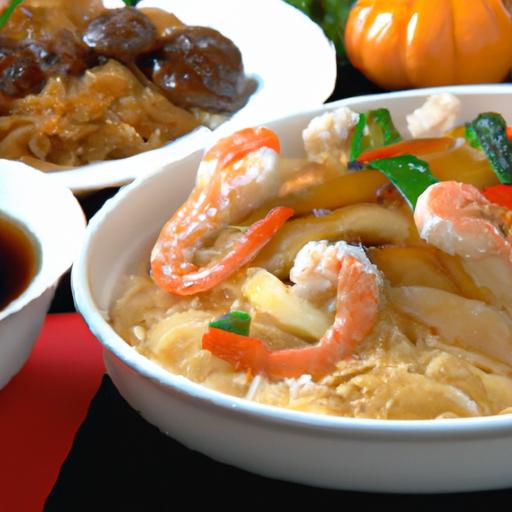
In the heart of Chinese culture, few experiences rival the grandeur adn artistry of a traditional banquet. These lavish feasts are not merely meals but celebrations of history, heritage, and harmony-where each dish tells a story steeped in symbolism and centuries-old culinary mastery.From glistening Peking duck to the delicate silkiness of Buddha’s delight, classic Chinese banquet dishes unfold like edible treasures, inviting diners to embark on a sensory journey through flavors and textures crafted with care and reverence. Join us as we explore the sumptuous world of feasting in splendor, uncovering the essence and elegance behind some of China’s most iconic banquet fare.
Feasting in Splendor: Exploring Classic Chinese Banquet Dishes invites us into a world of ornate flavors and time-honored culinary art deeply rooted in Chinese culture.Every banquet dish tells a story-of celebration, regional pride, and refined techniques passed down through generations.Whether it’s the sumptuous silkiness of Soy-Glazed Whole Fish or the fragrant embrace of Eight-Treasure Duck, these signature dishes transform any gathering into an unforgettable feast.
Signature dish Spotlight: Soy-Glazed Whole Fish
One of the quintessential dishes gracing Chinese banquet tables is Soy-Glazed Whole Fish. Celebrated for its symbolism of abundance and prosperity,whole fish serves as a centerpiece in weddings,Lunar New Year feasts,and milestone celebrations. The dish originated in southern China, notably the Cantonese region, where the balance of sweet and savory soy glaze infuses the tender fish, creating layers of umami and shine.This recipe captures the essence of traditional Chinese banquets, blending reverence for ingredients with culinary artistry.
Prep and Cook Time
- Preparation: 20 minutes
- Cooking: 15 minutes
- Total Time: 35 minutes
Yield
Serves 4-6 guests
Difficulty Level
Medium – Requires skillful handling of whole fish and sauce reduction
Ingredients
- 1 whole fresh white fish (such as sea bass or tilapia, about 2 pounds), cleaned and scaled
- 4 tablespoons light soy sauce
- 2 tablespoons dark soy sauce
- 3 tablespoons Shaoxing rice wine
- 2 tablespoons granulated sugar
- 1 tablespoon fresh ginger, julienned
- 3 cloves garlic, finely minced
- 2 stalks green onions, sliced thinly (separate white and green parts)
- 2 tablespoons vegetable oil
- 1 teaspoon sesame oil
- Fresh cilantro and thin red chili slices (optional) for garnish
Instructions
- Prepare the fish: rinse the fish thoroughly and pat dry. Score diagonal slashes on both sides to allow the glaze to permeate evenly.
- Make the glaze: In a small saucepan, combine light soy sauce, dark soy sauce, Shaoxing rice wine, sugar, garlic, and the white parts of the green onion. Bring to a gentle simmer over medium heat, stirring until sugar dissolves. Reduce the heat and simmer for 5 minutes until slightly thickened. Remove from heat and stir in sesame oil.
- Steam the fish: Place the fish on a heatproof plate suitable for steaming. Scatter julienned ginger over and inside the cavity. Set up a steamer or large wok with water boiling vigorously. Steam the fish for 10-12 minutes or until the flesh flakes easily with a fork.
- Heat oil: While the fish steams, heat vegetable oil in a small pan until shimmering but not smoking.
- assemble and glaze: Carefully remove the steaming plate. Pour the warm soy glaze evenly over the fish. Quickly drizzle the hot oil on top – this will sizzle and release the fragrance of the ginger and green onions.
- Garnish: Scatter the remaining green onion tops, cilantro, and thin red chili slices for a burst of color and freshness.
- Serve immediately: Present at the center of the table to invite guests to savor the combined flavors and symbolic richness of this dish.
Chef’s Notes
- for best results, select the freshest whole fish available to maintain moist texture and natural sweetness.
- If steaming isn’t accessible, delicately pan-fry the fish frist, then pour the glaze over and allow it to simmer gently.
- Adjust sugar and soy sauce proportions to balance sweetness and saltiness according to taste.
- To infuse additional aroma, add a few slices of fresh orange peel or star anise to the glaze during simmering.
- This dish pairs exquisitely with fragrant jasmine rice or lightly sautéed Chinese greens such as gai lan.
Serving Suggestions
Presentation plays a pivotal role in the banquet experience.Serve the Soy-Glazed Whole Fish on a long, elegant platter to showcase its glistening glaze and intact silhouette. Surround the dish with steamed bok choy or vibrant edible flowers for contrast. Encourage guests to use chopsticks or shared utensils to partake, echoing the communal spirit of Chinese feasting traditions. For beverage pairing, opt for delicate oolong tea or a well-chilled dry Riesling to complement the umami punch and subtle sweetness.
| Nutritional Information (per serving) | Amount |
|---|---|
| Calories | 280 kcal |
| Protein | 35 g |
| Carbohydrates | 6 g |
| Fat | 8 g |

Discover More Classic Chinese Banquet Recipes
Explore a curated selection of festive dishes like Cantonese Roast Duck or dive into the rich flavors of Chinese Five-Spice that elevate banquet cuisine to an art form.
Q&A
Q&A: Feasting in Splendor – Exploring Classic Chinese Banquet Dishes
Q1: What makes a traditional Chinese banquet truly special?
A: A traditional Chinese banquet is more than just a meal; it’s a grand celebration of culture, family, and artistry. These feasts are meticulously crafted to showcase an array of flavors, textures, and colors, symbolizing prosperity, happiness, and harmony. The dishes are served in multiple courses, each one telling a story or conveying a blessing, turning dining into a ceremonial experience steeped in history.
Q2: Which dishes are considered staples at a classic Chinese banquet?
A: Some iconic dishes consistently grace the banquet table, such as Peking Duck with its crispy skin and succulent meat; Buddha Jumps Over the Wall, a rich and complex soup featuring premium ingredients like abalone and sea cucumber; and Eight-Treasure Rice, a sweet, sticky dessert bursting with nuts, seeds, and dried fruits. These dishes embody both luxury and tradition, representing abundance and good fortune.
Q3: How do the flavors in banquet dishes differ from everyday Chinese food?
A: Banquet dishes are known for their elaborate preparation and elevated ingredients, often combining bold, refined, and balanced flavors to impress guests. unlike everyday dishes, which may focus on simplicity and comfort, banquet cuisine emphasizes complexity-think layers of savory umami with hints of sweetness, paired with exquisite presentation. The use of premium seafood, rare mushrooms, and carefully selected spices distinguishes the banquet experience.
Q4: What role do symbolism and auspicious meanings play in banquet dishes?
A: Symbolism is woven deeply into each plate served at a Chinese banquet. For example, fish represents surplus and wealth because the word for fish (鱼, yú) sounds like “abundance.” Long noodles symbolize longevity, while whole chickens signify family unity. Chefs craft dishes not just to delight the palate but to convey hopes, blessings, and respect, making the banquet a feast for both senses and spirit.
Q5: Can you describe the traditional sequence of a Chinese banquet?
A: Traditionally, a banquet begins with cold appetizers-delicate bites that awaken the appetite-followed by seafood and meat courses that display culinary prowess. Soups, often slow-simmered to extract deep flavors, act as palate cleansers. Main courses featuring poultry,pork,and vegetables come next,culminating in steamed rice or noodles for prosperity. Lastly, desserts close the feast on a sweet note. Each course flows seamlessly into the next,creating a harmonious and memorable dining journey.
Q6: How has the art of Chinese banquets evolved in modern times?
A: While rooted in centuries-old customs,Chinese banquets today balance tradition with innovation. Contemporary chefs experiment with presentation, incorporating modern plating techniques, fusion flavors, and even molecular gastronomy, all while preserving the auspicious symbolism and communal spirit of the feast. Banquets remain an essential part of celebrations, from weddings to Lunar New Year, adapting gracefully to the tastes and values of new generations.
Q7: Why is experiencing a Chinese banquet recommended for culinary travelers?
A: For culinary adventurers, a Chinese banquet offers an immersive dive into China’s rich heritage and diverse regional cuisines.Each dish is a window into history, mythology, and beliefs, providing a multi-sensory feast that goes beyond mere eating-it’s a cultural ritual that invites connections, storytelling, and the joyous celebration of life’s milestones. It’s truly dining in splendor.
In Summary
As the last bite of succulent Peking duck melts away and the final morsels of delicate bird’s nest soup are savored, the rich tapestry of a classic Chinese banquet leaves an indelible impression-not merely of flavors, but of history, culture, and celebration. These feasts are more than meals; they are stories told through aromatic spices, vibrant colors, and meticulous presentation, inviting all who partake to experience a tradition steeped in grandeur and meaning. Whether enjoyed in a bustling modern restaurant or during a festive family gathering,the classic Chinese banquet remains a timeless tribute to culinary artistry and communal joy-a splendid reminder that food,at its best,is a feast for both the senses and the soul.