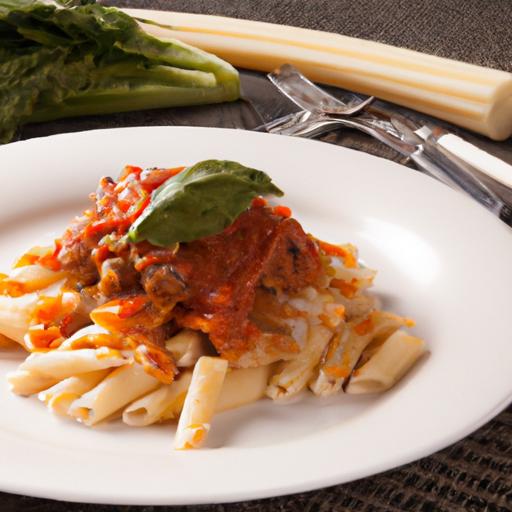

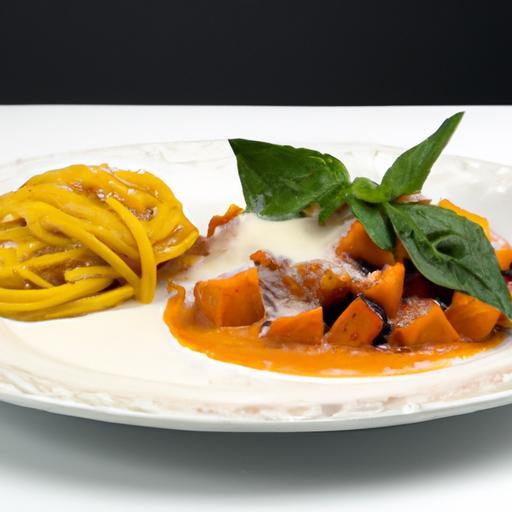
Classic Italian Recipes and Timeless Flavors bring the soul of Italy straight to your kitchen, where Classic Italian Recipes celebrate family traditions and Timeless Flavors turn every meal into a memory. With Classic Italian Recipes, you experience rich sauces and handmade pasta while Timeless Flavors create unforgettable aromas. These Classic Italian Recipes capture authentic heritage as Timeless Flavors inspire passionate home cooking.
Timeless Flavors shine through every bite of Classic Italian Recipes, creating harmony between taste and tradition with Timeless Flavors guiding each step. From rustic dishes to elegant plates, Classic Italian Recipes showcase history while Timeless Flavors transform simple ingredients into masterpieces. Cooking with Classic Italian Recipes and embracing Timeless Flavors ensures bold, comforting, and truly authentic results.
Prep and Cook Time
- Planning: 30 minutes
- Cooking: 25 minutes
- Total: 55 minutes
Yield
- Servings: 4 generous portions
Difficulty Level
- Medium - ideal for those ready to deepen their pasta and sauce skills
Ingredients
- For Fresh Pasta Dough: 2 cups 00 flour, sifted
- 3 large fresh eggs, at room temperature
- 1 tablespoon extra virgin olive oil
- Pinch of fine sea salt
- For Classic Tomato Sauce: 4 ripe San Marzano tomatoes, peeled and crushed
- 2 cloves garlic, finely chopped
- 2 tablespoons extra virgin olive oil
- Fresh basil leaves, a small handful
- Salt and freshly ground black pepper, to taste
- For Dessert - Tiramisu: 3 large egg yolks
- 3 tablespoons sugar
- 8 oz mascarpone cheese, chilled
- 1 cup strong brewed espresso, cooled
- 2 tablespoons Kahlúa or coffee liqueur (optional)
- 20 sponge fingers (savoiardi)
- Cocoa powder, for dusting
instructions
- Making the Pasta Dough: On a clean surface, mound the 00 flour and create a well in the center. Crack in the eggs, add the olive oil and a pinch of salt. Using a fork, gently whisk the eggs, gradually incorporating the flour from the edges. When mixture thickens, knead with your hands until smooth and elastic-about 8-10 minutes. Wrap dough in plastic wrap and rest for 30 minutes.
- Rolling the pasta: Divide dough into four portions. Roll each piece through a pasta machine or with a rolling pin until thin and translucent. Cut into your favorite shapes-fettuccine, tagliatelle, or pappardelle work beautifully here. Dust with flour to prevent sticking.
- Preparing the Tomato Sauce: Heat olive oil in a pan over medium heat. Add garlic and sauté until fragrant but not browned, about 1 minute. add crushed San Marzano tomatoes, salt, and pepper. Simmer gently, stirring occasionally for 15 minutes until thickened. Stir in torn basil leaves just before serving.
- Cooking the Pasta: Bring a large pot of salted water to a boil. Cook pasta until al dente, typically 2-3 minutes for fresh pasta.Drain, reserving a small cup of pasta water.
- Combining: Toss pasta gently in the warm tomato sauce, adding reserved pasta water as needed to achieve a silky texture.Serve immediately with a drizzle of extra virgin olive oil and fresh basil garnish.
- Crafting the Tiramisu: Whisk egg yolks and sugar in a heatproof bowl over simmering water until thick and pale, about 5 minutes. Remove from heat and beat in mascarpone cheese until smooth.
- Mix cooled espresso and Kahlúa in a shallow bowl. Quickly dip sponge fingers, layering them in a dish. Spread half the mascarpone cream over the soaked fingers. Repeat layers once more.
- Cover and refrigerate for at least 4 hours or overnight. Dust top generously with cocoa powder before serving.
Tips for Success
- Dough Consistency: If dough feels too sticky, gradually dust with extra flour but avoid adding too much as it toughens the pasta.
- Tomato Choices: Authentic San Marzano tomatoes elevate flavour; canned varieties work well off-season.
- Egg Alternatives: For an eggless pasta, substitute with water and olive oil for a lighter texture.
- Tiramisu Safety: Use fresh, high-quality eggs or pasteurized egg yolks for safety when consuming raw eggs.
- Make-Ahead: Pasta dough can be refrigerated for 24 hours or frozen for up to one month. Tiramisu tastes best when prepared a day ahead.
Serving Suggestions
Present your pasta on warm plates,topped with freshly torn basil leaves and a sprinkle of freshly grated Pecorino Romano or Parmigiano-Reggiano. Pair with a glass of chilled Verdicchio or Chianti to amplify the meal’s regional charm. For tiramisu,serve in elegant glass cups to showcase its layered beauty,dusting each with cocoa powder just before serving for a dramatic flourish. A fresh mint sprig adds a pop of color and aroma.
| Nutritional Info (per Serving) | Calories | Protein | Carbohydrates | Fat |
|---|---|---|---|---|
| Fresh Pasta with tomato Sauce | 320 kcal | 12 g | 52 g | 7 g |
| Tiramisu Dessert | 450 kcal | 8 g | 38 g | 28 g |

For a deeper dive into mastering pasta from dough to sauce, check out our complete guide to Italian pasta.Enhance your authenticity with expert insight from the Italian Culinary Academy.
Q&A
Q&A: Timeless Flavors – Exploring Classic Italian Recipes Unveiled
Q1: What makes Italian cuisine timeless and beloved around the world?
A1: Italian cuisine is a symphony of simplicity and quality. Rooted in tradition,it celebrates fresh,local ingredients combined with centuries-old techniques,creating flavors that transcend generations. Its timeless appeal lies in dishes that feel both comforting and vibrant, from rustic pastas to soulful risottos.
Q2: Which classic Italian recipes are considered quintessential to the contry’s culinary identity?
A2: Some of the most iconic include Spaghetti Carbonara,Risotto alla Milanese,Osso Buco,Margherita Pizza,and Tiramisu. Each dish tells a story of a region, a family, or a festival, preserving heritage while inviting endless interpretation.
Q3: how have these recipes remained relevant despite evolving food trends?
A3: Their core ingredients-olive oil, garlic, fresh herbs, tomatoes, and artisanal cheeses-never go out of style.The beauty of these classics is their adaptability; whether served in a humble countryside kitchen or a chic urban trattoria, their essence shines through, bridging old and new.
Q4: Can classic Italian recipes be adapted for modern dietary preferences without losing authenticity?
A4: Absolutely! Authenticity stems from respecting flavors and technique rather than rigid ingredients alone. Substituting gluten-free pasta or using plant-based cheeses can honor the spirit of the dish while embracing contemporary needs. The key is balance-preserving depth of flavor and texture.
Q5: What role do regional differences play in shaping Italy’s classic dishes?
A5: Italy’s culinary mosaic is richly regional. Northern Italy, with its buttery risottos and polenta, contrasts with Southern Italy’s robust tomato sauces and seafood. exploring classics means embarking on a flavorful journey from the Alpine heights to Mediterranean shores, each bite a passport stamp.
Q6: How does exploring classic Italian recipes enrich one’s cooking experience?
A6: Delving into these recipes is more than following a formula; it’s an immersion into history, culture, and artistry. Preparing a traditional ragù or hand-rolling gnocchi connects you to generations before, offering not just nourishment but a story told through taste and technique.
Q7: What tips can novices keep in mind when attempting these recipes for the first time?
A7: Embrace patience and respect for ingredients. Freshness is paramount, and simplicity reigns supreme-avoid overcomplicating. Use quality olive oil, allow pasta to cook al dente, and season thoughtfully. Most importantly, cook with passion; every great Italian meal is born from love.
Q8: Why is exploring classic Italian recipes considered a journey rather than just cooking?
A8: As each dish embodies art, tradition, and geography, cooking these recipes is like stepping into Italy’s vibrant past and present.It’s a sensory voyage-aromas of basil and garlic, textures of creamy cheese and chewy pasta-inviting you to experience a culture’s soul plate by plate.
Embracing “Timeless Flavors” means honoring Italy’s culinary legacy one classic recipe at a time, savoring not just food, but a rich heritage that continues to inspire kitchens worldwide.
Wrapping Up
As we close the chapter on this flavorful journey through Italy’s culinary heritage, it’s clear that classic Italian recipes are more than just dishes-they are stories simmered in history, culture, and passion. From the rustic simplicity of a homemade pasta to the rich embrace of a slow-cooked ragù, these timeless flavors invite us to savor not only the taste but the tradition behind every bite. Whether you’re a seasoned chef or a curious food lover, embracing these classic recipes is a delicious way to connect with the soul of Italy, one unforgettable meal at a time. So, gather your ingredients, roll up your sleeves, and let the magic of Italy’s timeless flavors transform your kitchen into a vibrant tapestry of taste and tradition.Buon appetito!