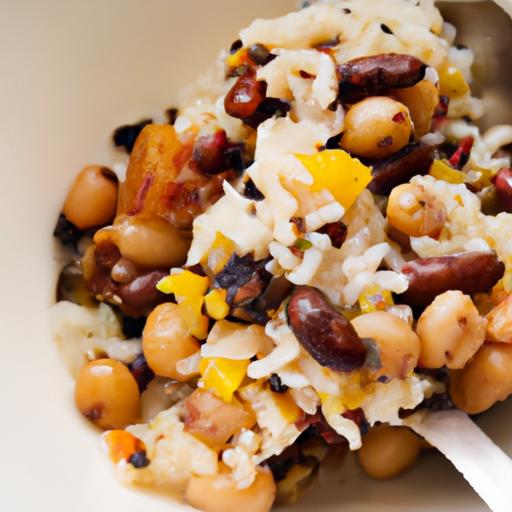


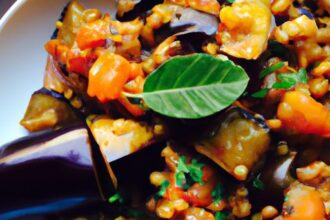
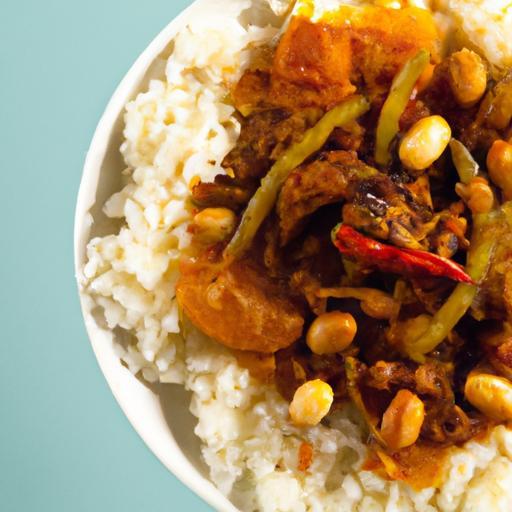
In teh lush landscapes of Kenya, where vibrant cultures intersect with rich agricultural heritage, a remarkable culinary gem is quietly making it’s mark: Kenyan coconut beans. This unique tropical flavour fusion marries the earthy robustness of native beans with the sweet, creamy essence of fresh coconut, creating a taste experience that is both unexpected and unforgettable. As consumer palates evolve and crave novel combinations, Kenyan coconut beans offer a glimpse into the country’s innovative spirit and its ability to blend tradition with contemporary flair.Join us as we unveil the origins,cultural significance,and exquisite flavor profile of this distinctive delicacy,illuminating why it’s poised to captivate food enthusiasts around the world.
Kenyan Coconut Beans: A unique Tropical Flavor Fusion Unveiled
Kenyan Coconut Beans embody a vibrant culinary tradition where the creamy sweetness of coconut harmonizes with earthy, protein-rich beans, creating a dish that is both comforting and exotically refreshing. This tropical flavor fusion,rooted deeply in Kenya’s coastal culture,offers a flavorful exploration into the melding of indigenous ingredients and rich maritime influences,evoking memories of sun-drenched shores and bustling markets full of spice and zest.
Prep and Cook Time
- Planning: 15 minutes
- Cooking: 45 minutes
- Total Time: 1 hour
Yield
Serves 4 generous portions
Difficulty Level
Medium – Perfect for cooks cozy with stovetop simmering and balancing bold flavors
Ingredients
- 1 cup dried red kidney beans, soaked overnight and drained
- 1 can (400 ml) full-fat coconut milk
- 1 medium onion, finely chopped
- 2 cloves garlic, minced
- 1 teaspoon freshly grated ginger
- 1 fresh hot green chili, deseeded and chopped (optional)
- 2 tablespoons coconut oil or vegetable oil
- 1 teaspoon cumin seeds
- 1 teaspoon turmeric powder
- 1 teaspoon coriander powder
- Salt to taste
- Fresh cilantro, chopped (for garnish)
- Juice of ½ lime
Instructions
- Prepare the beans: Rinse the soaked kidney beans thoroughly under cold water. Combine them in a pot with 3 cups of fresh water and bring to a boil. Reduce heat and simmer, partially covered, until tender but not mushy (about 35-40 minutes). Drain and set aside, reserving 1 cup of bean broth.
- Heat the oil: In a heavy-bottomed saucepan, warm the coconut oil over medium heat. Add cumin seeds and let them sizzle until fragrant, about 30 seconds.
- Sauté aromatics: Add the chopped onion, garlic, ginger, and green chili. Cook until the onions turn golden and translucent, about 5-6 minutes, stirring occasionally.
- Spice it up: Stir in turmeric and coriander powders, cooking for another minute to toast the spices and deepen their aroma.
- Combine beans and coconut milk: Add the tender kidney beans, reserved bean broth, and coconut milk to the pan. Stir well to integrate all ingredients.
- Simmer gently: Lower the heat and let the mixture simmer uncovered until thickened and creamy, about 10-15 minutes. Stir occasionally to prevent sticking and encourage flavor melding.
- Season and finish: Add salt to taste and squeeze in fresh lime juice for a zesty balance.Stir gently.
- Garnish and serve: Transfer the kenyan Coconut Beans to a warm serving dish and sprinkle generously with chopped cilantro.
Chef’s Notes for Success
- Soaking beans overnight drastically reduces cooking time and improves digestibility-don’t skip this step.
- For even creamier results, partially blend a quarter of the beans with some coconut milk and stir back into the pot before the final simmer.
- If fresh green chili isn’t available, substitute with a pinch of cayenne pepper for gentle heat.
- This dish can be prepared a day in advance-the flavors deepen beautifully as it rests in the fridge.
- To make it vegan and allergy-friendly, use coconut oil only and ensure all spices are fresh and organic.
Serving Suggestions
Present Kenyan Coconut beans alongside steaming basmati rice or warm chapati to soak up the luscious sauce. Garnish with a wedge of lime and freshly chopped chilies for those who love an extra kick. For a refreshing contrast, pair this dish with a simple cucumber and tomato salad dressed in lemon and mint. This tropical fusion also complements grilled seafood or roasted vegetables, making it a versatile choice for vibrant, wholesome meals.

Health Benefits and nutritional Highlights
The marriage of coconut and kidney beans in this dish delivers remarkable nutritional synergy. Kidney beans provide a rich source of plant-based protein and dietary fiber, supporting sustained energy and digestive health.coconut milk adds medium-chain fatty acids that promote healthy metabolism and cardiovascular benefits. This fusion is naturally gluten-free, dairy-free, and packed with essential vitamins like B-complex and minerals including iron, magnesium, and potassium-making it a nutrient-dense addition to any diet.
| nutrient | Per Serving |
|---|---|
| Calories | 320 kcal |
| Protein | 15 g |
| Carbohydrates | 38 g |
| Fat | 12 g |
| Fiber | 11 g |
Tips for Sourcing and Incorporating kenyan Coconut Beans into Your Recipes
When seeking out Kenyan Coconut Beans,opt for organic kidney beans and authentic,canned coconut milk to ensure the rich,natural flavors shine through. Specialty African food stores and well-stocked international markets frequently enough carry thes key ingredients. When using dried beans, always soak overnight for optimal texture and digestibility. For coconut milk, shake the can before opening to blend separated cream and water evenly.
Beyond the customary stew, integrate these tropical flavors into salads by adding chilled, cooked beans with fresh coconut shreds and lime dressing. Or, elevate grain bowls by layering Kenyan Coconut Beans over quinoa or millet with roasted sweet potatoes and avocado for a tropical-inspired plant-based meal bursting with texture and nutrition.
For inspiration on complementing dishes, explore our in-depth Kenyan cuisine guide. For further reading on the nutritional benefits of coconut milk, visit this extensive study by the National institutes of Health.
Q&A
Q&A: Kenyan Coconut Beans – A Unique Tropical Flavor Fusion Unveiled
Q1: What exactly are Kenyan coconut Beans?
A: Kenyan Coconut Beans are a distinctive culinary marvel that combines the rich earthiness of native Kenyan beans with the luscious, creamy essence of fresh tropical coconut. This fusion creates a harmonious blend of flavors that is both comforting and exotically vibrant. Think of it as a taste journey where the humble bean meets island paradise.
Q2: How did this unique flavor combination come about?
A: The origin of Kenyan Coconut Beans is rooted in the coastal regions of Kenya, where coconuts grow abundantly alongside traditional bean farming. Creative cooks sought to marry these local ingredients, inspired by cultural exchanges and indigenous recipes, to craft a dish that celebrates both land and sea in one bite. It’s a stunning example of culinary innovation meeting heritage.
Q3: What varieties of beans are typically used in this dish?
A: The most commonly used beans are the red kidney beans and the black-eyed peas native to Kenya. These beans provide a hearty base that complements the subtle sweetness and creaminess of coconut milk or grated coconut, creating a balanced texture and flavor.
Q4: How is coconut incorporated into the recipe?
A: Coconut plays a starring role in two forms: fresh grated coconut and rich coconut milk. Grated coconut adds a delightful texture and a burst of tropical aroma, while coconut milk infuses the beans with a velvety richness that elevates the entire dish.Sometimes, a drizzle of coconut oil is also added for an extra layer of fragrance.
Q5: What makes Kenyan Coconut Beans stand out from other bean dishes?
A: Unlike typical bean stews or curries, Kenyan Coconut Beans offer a nuanced tropical twist. The infusion of coconut softens the beans’ natural earthiness while introducing sweet, fragrant notes reminiscent of a coastal breeze. This interplay of flavors creates a multi-dimensional taste experience that feels both exotic and deeply familiar.
Q6: Are Kenyan Coconut Beans served in any special way?
A: Traditionally, Kenyan Coconut Beans are enjoyed with ugali (a maize flour porridge), chapati, or steamed rice-each starch soaking up the flavorful coconut-infused beans perfectly.They can be served as a hearty main dish or as a vibrant side, frequently enough garnished with fresh coriander and a squeeze of lime for a citrusy kick.
Q7: Can this dish be adapted for diffrent diets?
A: Absolutely! Kenyan Coconut Beans are naturally vegetarian and vegan-friendly, making them an excellent protein source for plant-based eaters. For those seeking gluten-free options, serving the beans with rice or ugali ensures a safe and satisfying meal. The recipe’s versatility means it can be tailored to spice preferences or ingredient availability without losing its signature flavor.
Q8: Why should food enthusiasts explore kenyan Coconut beans?
A: For adventurous palates and cultural explorers alike, Kenyan Coconut Beans offer a delicious gateway into Kenya’s rich agricultural heritage fused with tropical coastal flavors. This dish encapsulates the spirit of Kenyan cuisine-vibrant, resourceful, and full of soul-making it a must-try for anyone eager to savor the unexpected magic born when land meets ocean in the most flavorful way.
Concluding remarks
as the sun sets over Kenya’s vibrant shores, the story of coconut beans continues to unfold-a testament to the country’s rich agricultural tapestry and innovative spirit.This unique tropical flavor fusion not only tantalizes the palate but also bridges the gap between tradition and modern culinary exploration. Whether as a vibrant ingredient in local dishes or an inspiring muse for global gastronomy, Kenyan coconut beans invite us to savor a taste that is as diverse and dynamic as the land from which they spring. Embracing this remarkable flavor is more than a culinary adventure; it’s a celebration of nature’s creativity and a flavorful journey waiting to be discovered.